



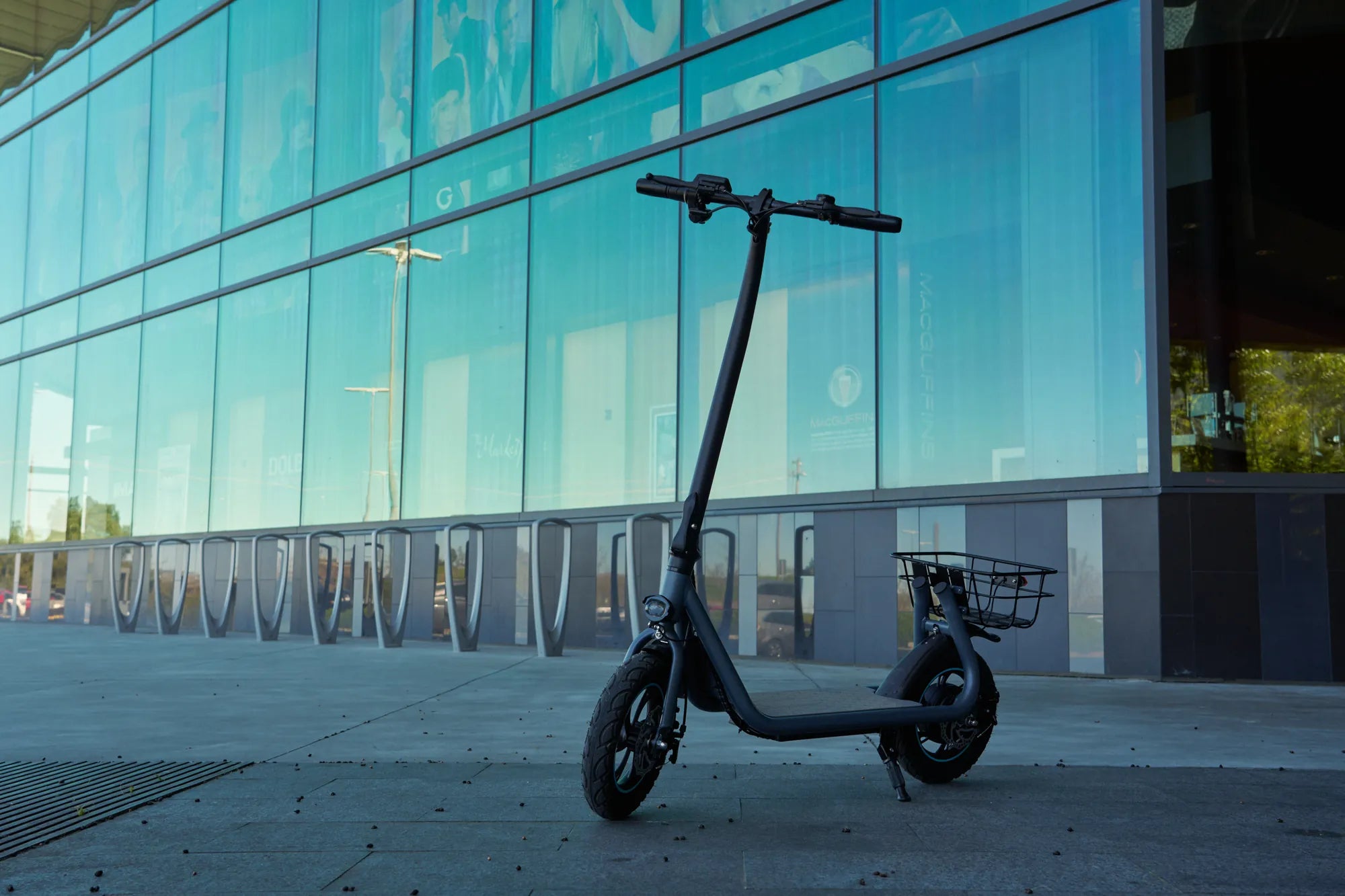
Introduction: Why Water Resistance is Non-Negligible for Your E-Scooter
Your commute doesn't pause for weather. A sudden summer shower, a deep morning puddle, or persistent road spray can turn a standard electric scooter ride into a risky venture leading to costly repairs. Water Proof Electric Scooters: The Ultimate Guide to All-Weather Commuting is designed to cut through the marketing hype and provide the factual knowledge you need. This guide will explain the engineering behind water resistance, outline safe wet-weather riding practices, and show how to choose a scooter built for reality.
Understanding water protection is not about seeking extreme conditions; it's about ensuring daily reliability. Moisture ingress is a leading cause of electronic failure in personal electric vehicles. It can lead to sudden power loss, brake failure, or permanent damage to the battery and motor systems.
Choosing a scooter with a legitimate ingress protection rating is a critical investment in safety and longevity. Brands that prioritize this, like Gyroor, design with sealed compartments and protected electronics from the outset, rather than adding seals as an afterthought. This foundational approach separates a fair-weather toy from a true all-weather commuting tool.
Decoding IP Ratings: What IPX5 Really Means for Your Ride
The term "waterproof" is often misused. The accurate metric is an Ingress Protection (IP) code, an international standard (IEC 60529) defining protection against solids and liquids. The code follows the format 'IPXY', where 'X' represents solid particle protection (dust) and 'Y' represents liquid ingress protection.
For electric scooters, the liquid protection digit ('Y') is paramount. A rating of IPX5, common in reputable commuter models, has a specific meaning. The 'X' indicates the dust protection isn't formally rated, while the '5' signifies protection against water jets from a 6.3mm nozzle from any direction. In practical terms, this corresponds to heavy rain and riding through road spray.
It is crucial to understand what IPX5 is not. It is not IPX7 (immersion up to 1m for 30 minutes) or IPX8 (continuous submersion). You should not submerge an IPX5 scooter or ride it through deep, standing water that could reach its deck. The protection is against directional water, not total immersion pressure.
This rating provides a reliable benchmark. When a manufacturer like Gyroor states its scooters are IPX5 rated, it means the core electrical components have been tested to withstand this specific water jet standard. It provides a quantifiable level of confidence for riding in typical wet-weather urban conditions.
Beyond the Rating: How Gyroor Engineering Ensures True Water Resilience
An IP rating is a test result, but the real-world performance comes from the engineering that achieves it. Gyroor's design philosophy integrates water resistance into the scooter's architecture. This starts with a sealed deck compartment that houses the battery and controller, using silicone gaskets around the perimeter to create a tight seal against moisture.
External connection points are critical vulnerabilities. Gyroor models feature rubberized, covered charging ports that prevent water ingress when not in use. Internal wiring looms are often protected with waterproof connectors and conduit, and displays or control units are designed with sealed button interfaces.
The use of UL-certified battery packs is a cornerstone of this safe design. These batteries undergo rigorous testing for stability and safety across hundreds of charge cycles. When housed within a properly sealed deck, the risk of water-induced short circuits or corrosion leading to battery failure is significantly reduced.
Finally, material choice matters. Components like the deck itself often use corrosion-resistant aluminum alloys, and fasteners may be treated to resist rust. This holistic approach—from gaskets and seals to certified electronics and resistant materials—is what makes the IPX5 rating meaningful and durable over time.
The Critical Components: What Needs Protection the Most
Water targets the most expensive and vital parts of an electric scooter. Understanding these components highlights why proper sealing is non-negotiable. The battery pack is the heart of the scooter and the most sensitive to moisture. Water ingress can cause short circuits, cell corrosion, and in extreme cases, thermal runaway, posing a serious safety hazard.
The electronic speed controller (ESC) is the scooter's brain, regulating power from the battery to the motor. It is a dense circuit board highly susceptible to corrosion from moisture and mineral deposits from road spray. Corroded circuits lead to erratic behavior, loss of power, or complete failure.
The motor, especially a hub motor integrated into the wheel, is another key point. While motors are somewhat sealed, prolonged exposure to water can lead to internal corrosion, bearing failure, and reduced efficiency. Similarly, braking systems are affected; disc brakes can see reduced performance when wet, and water in electronic brake sensors can cause malfunctions.
Finally, the display, throttle, and control buttons are frequent points of failure. Water seeping into these interfaces can short the controls, leaving you unable to regulate speed or power. Protecting these components requires thoughtful design with sealed membranes or protective covers, a detail incorporated into serious all-weather models.
Performance & Safety: Riding a Water-Resistant Scooter in Wet Conditions
An IPX5 rating provides a margin of safety against water damage, but it does not change the fundamental physics of riding on wet surfaces. Your primary concern shifts from component protection to traction and braking performance. Wet pavement, painted road lines, and metal surfaces like manhole covers become significantly more slippery.
Adjust your riding behavior immediately. Reduce your speed by at least 30-40% compared to dry conditions. This provides more time to react and reduces the risk of skidding. Increase your following distance from vehicles and anticipate stops much earlier, as braking distances can double on wet roads. Avoid sharp turns and leaning aggressively.
Your own gear is part of the safety equation. Wear water-resistant clothing and ensure your footwear has good grip. Use bright lights—front and rear—not just to see, but to be seen by drivers in reduced visibility. Even with a water-resistant scooter, try to avoid the deepest puddles, as they can hide potholes and submersion risks.
Post-ride care is essential. After a wet ride, wipe down your scooter with a dry or slightly damp cloth. Pay attention to the deck, stem, and wheels. Allow it to air dry in a ventilated space before charging. Never use a high-pressure hose or direct water jet to clean an IPX5 scooter, as this can force water past the seals.
Gyroor's All-Weather Lineup: Models Built for the Real World
Gyroor's commitment to all-weather commuting is reflected in its core scooter lineup, which features IPX5 water resistance and UL-certified batteries as standard. Different models cater to different needs while maintaining this foundational durability. The following table highlights key models suited for wet-weather reliability.
| Model | Key All-Weather Features | Best For | Motor & Range |
|---|---|---|---|
| Gyroor C1 | IPX5 rating, 8.5" pneumatic tires (better wet traction), sealed deck, bright headlight. | Urban commuters needing comfort and grip on variable surfaces. | 350W motor, up to 18 miles range. |
| Gyroor C2 | IPX5 rating, dual suspension + pneumatic tires, enhanced deck texture for wet footing. | Riders on rough or uneven wet roads where stability is key. | 500W motor, up to 22 miles range. |
| Gyroor H30 | IPX5 rating, robust solid tires (no punctures), wide anti-slip deck, integrated lighting. | Riders prioritizing minimal maintenance and a stable platform in wet conditions. |
Each model demonstrates that water resistance is part of a broader durability package. Pneumatic tires, like those on the C1 and C2, offer superior shock absorption and wet-road traction compared to many solid tires. Deck texture and width are also critical for maintaining a secure stance when the deck is potentially wet.
The integration of bright, always-on lighting in these models is a safety feature that becomes even more vital in rainy, low-light conditions. This holistic design approach—combining water-protected electronics with ergonomic and safety features for wet weather—defines a true all-weather electric scooter.
Myths vs. Facts: Clearing the Fog on E-Scooter Waterproofing
Myth: "IPX5 means I can wash my scooter with a hose." Fact: False. A garden hose or pressure washer operates at a much higher pressure than the test standard for IPX5. Directing such a jet at your scooter can force water past seals, causing the very damage the rating is meant to prevent. Clean with a damp cloth only.
Myth: "All electric scooters can handle a little rain." Fact: Dangerous assumption. Many budget scooters have little to no formal water protection. Moisture can quickly wick into unprotected wiring or connectors, leading to immediate or gradual failure. Always verify a manufacturer's stated IP rating before riding in damp conditions.
Myth: "Water damage is covered under the standard warranty." Fact: Typically, it is not. Most manufacturers, including Gyroor, explicitly exclude water damage from their warranties unless it's a defect in the water-sealing itself. The warranty protects against manufacturing flaws, not misuse or exposure beyond the rated specification (e.g., submersion).
Myth: "Water-resistant and waterproof are the same thing." Fact: They are distinct terms. "Water-resistant" (like IPX5) means the device can resist water penetration to a certain degree under specific conditions. "Waterproof" suggests a higher, often submersible, level of protection (IPX7/8), which is rare and unnecessary for scooters. Always look for the specific IP code.
Long-Term Care: Maximizing Your Scooter's Lifespan in Any Climate
Proactive maintenance is the key to ensuring your water-resistant scooter lives up to its potential for years. Establish a regular inspection routine. Every few weeks, check the condition of rubber seals around the deck and charging port. Look for cracks, brittleness, or debris that could compromise the seal.
Clean your scooter correctly. After wet or dirty rides, use a soft, damp cloth to wipe down the frame, stem, and deck. For stubborn dirt, use a mild soap solution. Immediately dry any pooled water, especially around the brake calipers, stem folding mechanism, and charging port cover. Store your scooter in a cool, dry place away from direct moisture.
Battery care is paramount. Even with a sealed compartment, avoid storing or charging the scooter in extremely humid environments. If the scooter is very wet, allow it to air dry thoroughly before plugging in the charger. Follow the manufacturer's guidelines for long-term storage, which often recommend a partial charge (around 60-80%).
Consider a periodic professional check-up, especially after a season of heavy use or an accidental deep-water exposure. A technician can inspect internal connections for early signs of corrosion and ensure all seals remain intact, preventing small issues from becoming major failures.
Frequently Asked Questions (FAQ)
Q: Can I ride my Gyroor scooter in heavy rain?
A: Gyroor scooters are IPX5 rated, meaning they are protected against water jets, which correlates to heavy rain. However, safety is the priority. Visibility is reduced, traction is poor, and drivers may not see you. If you must ride, do so with extreme caution, at low speeds, and with full lighting. It is always safer to wait out the heaviest downpours.
Q: How should I dry my scooter if it gets thoroughly wet?
A> First, power it off. Wipe off all standing water with a dry towel. Pay special attention to the deck seam, brakes, and folding mechanisms. Place the scooter in a dry, ventilated area at room temperature to air dry for several hours or overnight. Do not use a heater or hairdryer, as excessive heat can damage electronics and seals. Ensure it is completely dry before charging.
Q: Does the warranty cover water damage?
A: No. The Gyroor warranty covers defects in materials and workmanship. Damage resulting from exposure to liquids beyond the specified IPX5 rating (such as submersion, high-pressure washing, or riding through deep floods) is considered misuse and is not covered. The IPX5 rating is a feature, not a warranty condition.
Q: Is the charger also water-resistant?
A: No, the external charger is not water-resistant. Never expose the charger to rain or moisture. Always charge your scooter indoors in a dry environment. Plug the charger into the scooter's dry charging port only after ensuring both the port and the connector are free of water.
Q: How does cold weather, combined with wet conditions, affect my scooter?
A> Cold temperatures reduce battery efficiency, potentially cutting range by 20-40%. Wet, icy roads drastically increase slipping hazards. The combination demands extra caution. Reduce speed further, allow for much longer braking distances, and store the scooter indoors to protect the battery. After a ride on salty slush, wipe down the scooter thoroughly to prevent corrosion.
Conclusion: Investing in Confidence for Every Commute
Choosing an electric scooter with legitimate water resistance is a decision that pays dividends in reliability, safety, and total cost of ownership. It transforms your scooter from a fair-weather alternative into a dependable primary mode of transport. The peace of mind that comes from knowing your vehicle can handle a sudden shower or a wet roadway is invaluable for any daily commuter.
This guide has shown that true all-weather capability is built on a foundation of certified components like UL-rated batteries, precise engineering with effective seals, and a design philosophy that considers real-world conditions. Brands that embed these principles, such as Gyroor with its IPX5-rated lineup, offer products engineered for the unpredictability of daily life.
Your commute awaits, regardless of the forecast. Equip yourself with knowledge, adopt safe riding practices for wet conditions, and invest in a vehicle built to last. The right water-resistant electric scooter doesn't just get you from A to B; it ensures you arrive safely and reliably, empowering a consistent, car-free lifestyle through every season. Ready to explore models designed for real-world conditions? Browse the full Gyroor collection at gyroorboard.com.
How Fast Do Most Electric Scooters Go? A Deep Dive into Speed, Power & Performance
How to Use Electric Scooters in Paris: A Complete Guide for Riders