



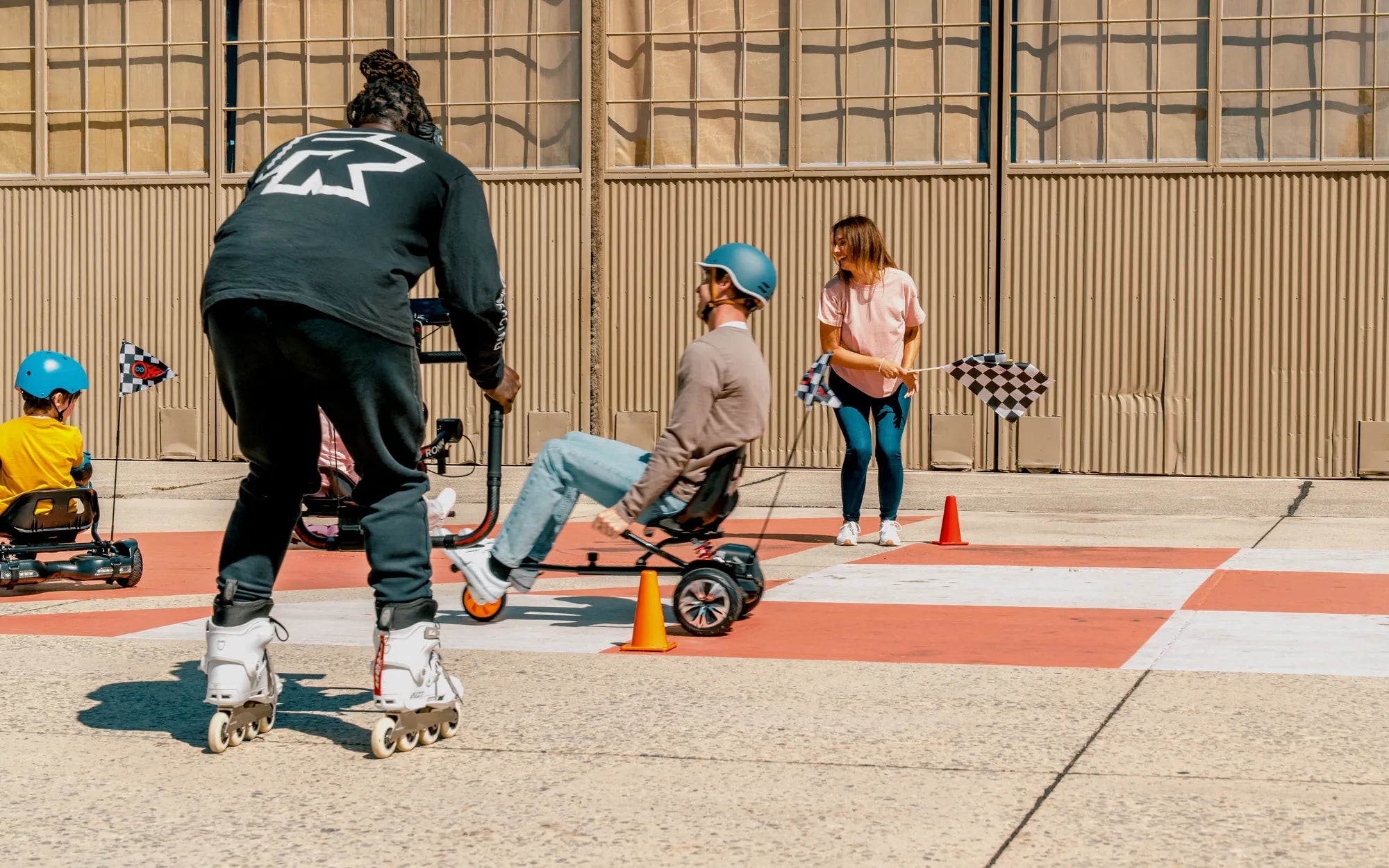
Hoverboards have taken the world by storm, offering a thrilling way for kids and teens to zip around the neighborhood. But as a parent, you might be wondering: what age for hoverboard is appropriate? This guide dives deep into the recommended age range, safety considerations, and tips to help you make an informed decision.
Understanding the Right Age for Hoverboards
Most hoverboard manufacturers recommend a minimum age of 8 years old. However, age isn't the only factor—weight, coordination, and maturity also play a crucial role. Younger children may struggle with balance and control, increasing the risk of accidents.
Safety Considerations for Young Riders
Before letting your child ride a hoverboard, consider these safety tips:
- Protective Gear: Helmets, knee pads, and elbow pads are non-negotiable.
- Supervision: Younger kids should always ride under adult supervision.
- Terrain: Avoid uneven surfaces or busy roads until they gain experience.
Why Weight Matters More Than Age
Hoverboards have weight limits, typically ranging from 44 to 220 pounds. A child who is too light may struggle to activate the sensors, while one who is too heavy could damage the device. Always check the manufacturer's specifications before purchasing.
Signs Your Child Is Ready for a Hoverboard
Look for these indicators to determine if your child is prepared:
- They can follow safety instructions consistently.
- They demonstrate good balance and coordination.
- They show respect for speed limits and rules.
Alternatives for Younger Kids
If your child isn't quite ready for a hoverboard, consider balance bikes or scooters to build their confidence and coordination. These alternatives provide a safer introduction to wheeled toys.
Legal Age Restrictions by Region
Some regions have specific laws regarding hoverboard use. For example, certain areas prohibit riders under 12 years old from using them in public spaces. Always check local regulations to avoid fines or penalties.
Teaching Your Child to Ride Safely
Start with these steps to ensure a smooth learning experience:
- Practice in a flat, open area free of obstacles.
- Teach them to step off backward to avoid falls.
- Gradually introduce turns and slight inclines as they improve.
The Role of Parental Judgment
While age guidelines are helpful, you know your child best. If they're cautious, coordinated, and eager to learn, they might be ready earlier than recommended. Conversely, if they're impulsive or easily distracted, waiting a year or two could prevent accidents.
Common Mistakes to Avoid
Steer clear of these pitfalls when introducing hoverboards:
- Ignoring weight limits or age recommendations.
- Skipping protective gear to save time.
- Allowing unsupervised rides before mastering the basics.
Hoverboards can be an exciting addition to your child's life—but only if introduced at the right time and with proper precautions. By considering age, weight, and maturity, you'll set them up for endless fun without unnecessary risks. Ready to take the next step? Equip your young rider with the knowledge and gear they need to soar safely!
How Much Is a Scooter for Kids: A Complete Pricing Guide for Parents
Black Self-Balancing Scooter: The Future of Urban Mobility