



Introduction: The Modern Electric Scooter as a Personal Mobility Powerhouse
What are electric scooters used for? This question unlocks the true value of a vehicle that has evolved far beyond a simple toy. Modern electric scooters are sophisticated personal electric vehicles (PEVs) designed to solve real-world transportation challenges while delivering genuine enjoyment.
This exploration of their versatile applications will show you how they integrate into daily life, from replacing car trips to enabling new forms of recreation. We’ll examine the data, compare use cases, and highlight the engineering that makes reliable, daily use possible from trusted brands like Gyroor, a leading electric scooter and e-bike brand trusted by over 100,000 riders across North America and Europe.
Urban Commuting: The Premier Solution for the First and Last Mile
The primary application for electric scooters is undeniably urban commuting. They excel at solving the "first-mile/last-mile" problem—the often inefficient and time-consuming gaps between public transit stops and your final destination. For many, they are becoming a complete replacement for short car commutes under 5 miles.
By integrating an e-scooter with a bus or train, commuters can dramatically expand their viable radius from a transit hub. This multi-modal approach reduces overall commute time, stress, and cost. The compact, foldable design of models like the Gyroor F1 Max is crucial here, allowing for easy carrying onto trains and storage under a desk.
Riders consistently report cutting their commute times by 25-40% in congested city centers compared to driving alone. The direct financial savings are substantial, eliminating costs for fuel, parking fees, and wear-and-tear on a personal vehicle. For the daily commuter, reliability is non-negotiable, making features like UL-certified batteries and robust warranties critical for peace of mind.
Beating Traffic and Parking Headaches with Data
Consider a typical 3-mile urban commute. During peak hours, a car might average 10-15 mph, taking 12-18 minutes, plus 5-10 minutes to find and pay for parking. A direct bus route may take 25 minutes with walking. An electric scooter traveling at a steady 15-18 mph completes the trip in 10-12 minutes door-to-door, with zero parking hassle.
The cost comparison is even more compelling. The marginal cost per e-scooter mile is pennies for electricity, versus the IRS mileage rate of 67 cents per mile for a car, which accounts for fuel, maintenance, and depreciation. This makes the answer to "what are electric scooters used for?" fundamentally economic: they are used for saving significant time and money on daily travel.
Recreation and Leisure: Unlocking Adventure and Fun
Beyond practicality, electric scooters are powerful tools for recreation and leisure. They transform local parks, beachfront boardwalks, and scenic trails into personal playgrounds. This application is about enjoyment, exploration, and light exercise through active standing and balancing.
Families use them for weekend outings, couples for leisurely rides along river paths, and individuals for exploring new neighborhoods or cities. The electric assist allows riders to cover more ground without fatigue, making a 10-mile exploratory loop entirely feasible and enjoyable. The sense of freedom and connection to one's surroundings is a key benefit often overlooked in purely utilitarian analyses.
For tourism, e-scooters have become a preferred way to sightsee, offering more range and less effort than walking, but more access and engagement than a tour bus. Cities with robust micro-mobility infrastructure see heavy recreational use along designated paths and greenways.
Choosing the Right Scooter for Fun and Exploration
Recreational riding often demands different features than pure commuting. Comfort becomes paramount, making suspension systems—like the dual spring suspension on Gyroor models—essential for smoothing out paved trails and park paths. A wider deck provides more stability for relaxed, upright riding.
Longer range is also a priority for explorers; a battery capable of 20+ miles on a single charge opens up significant possibilities. Furthermore, features like IPX5 water resistance, a standard in Gyroor's design, add confidence for adventures that might encounter a sudden drizzle or damp conditions, ensuring the fun doesn’t stop at the first sign of weather.
Running Practical Errands and Local Trips
Electric scooters are exceptionally practical for the myriad of short trips that characterize daily life. Quick grocery runs, picking up a coffee, visiting a friend a few blocks away, or going to the gym are all ideal use cases. They replace inefficient, polluting, and costly short car trips that are hard on engines and contribute significantly to urban congestion.
The convenience factor is immense. There’s no need to warm up a car, find a parking spot for a five-minute task, or pay for parking meters. For small to medium loads, an e-scooter is often the fastest and most agile option within a 2-mile radius. This utility cements the e-scooter’s role as a true household tool, not just a commute device.
Riders report using their scooters for 3-5 short trips per week that they would have otherwise made by car or foot. This habitual use demonstrates how seamlessly they integrate into daily routines, providing a consistent return on investment through saved time and transportation costs.
Carrying Capacity, Accessories, and Load Management
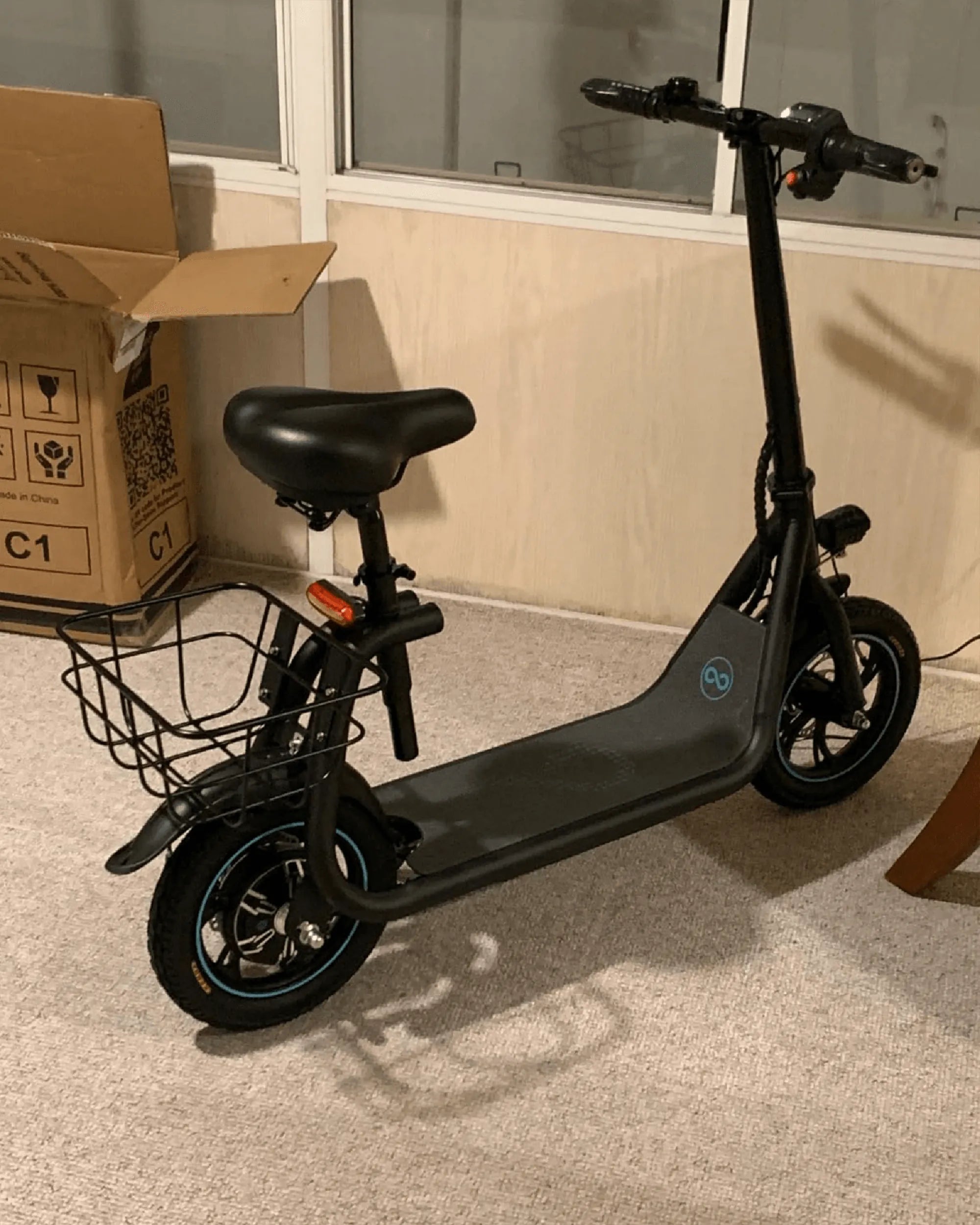
Practical errand-running requires carrying capacity. Many modern e-scooters accommodate this with integrated rear racks, front cargo hooks, or compatibility with aftermarket baskets and bags. A sturdy rear rack can support a grocery pannier or a delivery bag.
The key is load management. Distributing weight centrally and low on the scooter maintains stability. The electric motor effortlessly handles the added weight of a few bags of groceries, making the return trip uphill just as easy as the ride to the store. This practical application directly answers "what are electric scooters used for?"—they are used for simplifying daily logistics and reducing dependency on a car for minor tasks.
Campus and Corporate Mobility
Large, pedestrian-centric environments like university campuses and corporate parks are perfect applications for electric scooters. Students use them to zip between classes that may be 15-20 minutes apart on foot, saving precious time and energy. They are also ideal for getting from distant parking lots to campus centers.
Within sprawling corporate or industrial campuses, employees use e-scooters for quick movement between buildings for meetings or site checks. They increase productivity by reducing transit time within the workplace. These environments often have controlled, lower-speed traffic and good pavement, making them safe and efficient for scooter use.
The foldability is again a major advantage, allowing the scooter to be tucked under a lecture hall seat or beside a desk. For this user, reliability and a long-lasting battery are critical to avoid being stranded between crucial appointments.
Specialized and Niche Applications
The versatility of electric scooters extends into several niche but growing applications. In the tourism sector, rental fleets provide visitors with an intuitive way to explore cities. In large warehouses or logistics centers, modified scooters are used by staff for rapid inventory checks and supervision.
Some urban delivery services are experimenting with e-scooters for small-package courier work, leveraging their ability to bypass traffic. Furthermore, they serve individuals with mobility challenges that preclude long walks but allow for standing and balancing, providing a new degree of personal freedom for short to medium distances.
These applications demonstrate the platform's adaptability. The core technology—an efficient electric motor, a compact deck, and a reliable battery pack—can be tailored to specific professional and personal needs beyond general transportation.
Key Features That Enable Versatility: A Gyroor Perspective
The diverse applications outlined above are only possible because of specific, well-engineered features. Understanding these features is key to matching a scooter to your intended primary use. Brands like Gyroor build models with these versatile applications in mind.
From UL-certified battery safety for worry-free home charging to IPX5-rated water resistance for all-weather capability, the right features transform a scooter from a fair-weather gadget into a dependable daily tool. The 1-year comprehensive warranty offered by Gyroor provides the assurance needed for daily reliance, a claim backed by their community of over 100,000 riders.
Safety and Reliability for Everyday Dependence
For commuting and errands, safety is paramount. UL-certified battery packs, like those used in all Gyroor models, undergo rigorous testing for over 500 charge cycles and are designed to prevent overheating, short-circuiting, and other hazards. This is non-negotiable for a device stored and charged in your home.
IPX5 water resistance means the scooter can withstand water jets from any direction, protecting critical electronics from rain, puddles, and road spray. This feature directly enables all-weather use and enhances long-term durability. Combined with reliable braking systems (electronic plus disc or drum) and bright lighting, these features create a foundation of safety for every application.
Performance Specifications Match Different Needs
Not all scooters are equal, and performance specs should align with primary use cases. The following table illustrates how different priorities map to scooter capabilities:
| Primary Use Case | Key Performance Priority | Ideal Spec Range | Supporting Features |
|---|---|---|---|
| Urban Commuting | Speed & Portability | 15-20 mph, Under 35 lbs | Fast folding, compact fold, good headlight |
| Recreation/Exploration | Range & Comfort | 20+ mile range, Suspension | Wide deck, off-road tires, large battery |
| Errands & Shopping | Load Capacity & Stability | High torque motor, 220+ lb load limit | Rear rack, cargo hook, robust frame |
| Campus/Corporate | Reliability & Compactness | Moderate range (15 mi), lightweight | Quiet operation, easy carry handle |
Understanding this alignment helps consumers avoid overpaying for unneeded speed or underestimating the range required for their daily loop. A brand with a diverse lineup, like Gyroor, offers models that cater to these distinct profiles.
Frequently Asked Questions (FAQ)
Q1: How far can an electric scooter typically go on one charge?
Most commuter-focused models offer 15-20 miles of real-world range. Higher-end recreational or performance models can achieve 30-45 miles. Range is affected by rider weight, terrain, temperature, and speed. Always consider a scooter with a range that exceeds your typical daily distance by 25% for a safety margin.
Q2: Are electric scooters legal to ride on roads and sidewalks?
Laws vary significantly by city, state, and country. Generally, they are permitted on bike lanes and roads with speed limits under 35 mph. Riding on sidewalks is often prohibited in urban areas for pedestrian safety. It is crucial to check your local regulations regarding helmet laws, minimum age, and approved riding areas before purchasing.
Q3: What maintenance does an electric scooter require?
Regular maintenance includes checking and inflating tires (for pneumatic models), ensuring all bolts and fittings are tight, testing brakes, and keeping the scooter clean, especially after wet rides. The battery requires the most care: avoid complete discharges, store in a cool, dry place, and use only the provided manufacturer-approved charger.
Q4: Can I ride an electric scooter in the rain?
Scooters with an IPX5 water resistance rating, like those from Gyroor, are designed to withstand rain and wet conditions. However, you should avoid deep puddles, submerging any part of the scooter, and riding in heavy downpours. Always dry your scooter after a wet ride and exercise increased caution as braking distances increase on wet surfaces.
Q5: How do I choose the right electric scooter for my needs?
Start by defining your primary use (commute, fun, errands). Then prioritize: commuters need portability and speed; explorers need range and comfort; errand-runners need carrying capacity. Set a budget and choose a reputable brand with clear safety certifications (UL for batteries), a good warranty, and responsive customer support to ensure a reliable long-term investment.
Conclusion: Your Multi-Purpose Mobility Solution Awaits
What are electric scooters used for? They are used for reclaiming time, reducing expenses, accessing adventure, and simplifying daily life. They have matured from novelties into legitimate tools for modern urban and suburban living. The choice is no longer if an e-scooter is useful, but which model’s capabilities best align with your personal mix of commuting, recreation, and practical tasks.
This alignment is where engineering and reliability matter most. By choosing a scooter built with safety-certified components, weather-resistant design, and backed by strong customer support, you invest in a vehicle that will serve you reliably across all its versatile applications. The data is clear: for short-to-medium distance travel, few options offer the combined efficiency, economy, and enjoyment of a well-designed electric scooter.
Ready to explore which model fits your lifestyle? Browse the full Gyroor collection—featuring UL-certified batteries, IPX5 water-resistant designs, and a reliable 1-year warranty—at gyroorboard.com to find your perfect ride.
What Age Can Kids Ride Electric Scooters? A Parent's Guide
What Voltage Are Electric Scooters? The Complete Guide to Power & Performance