


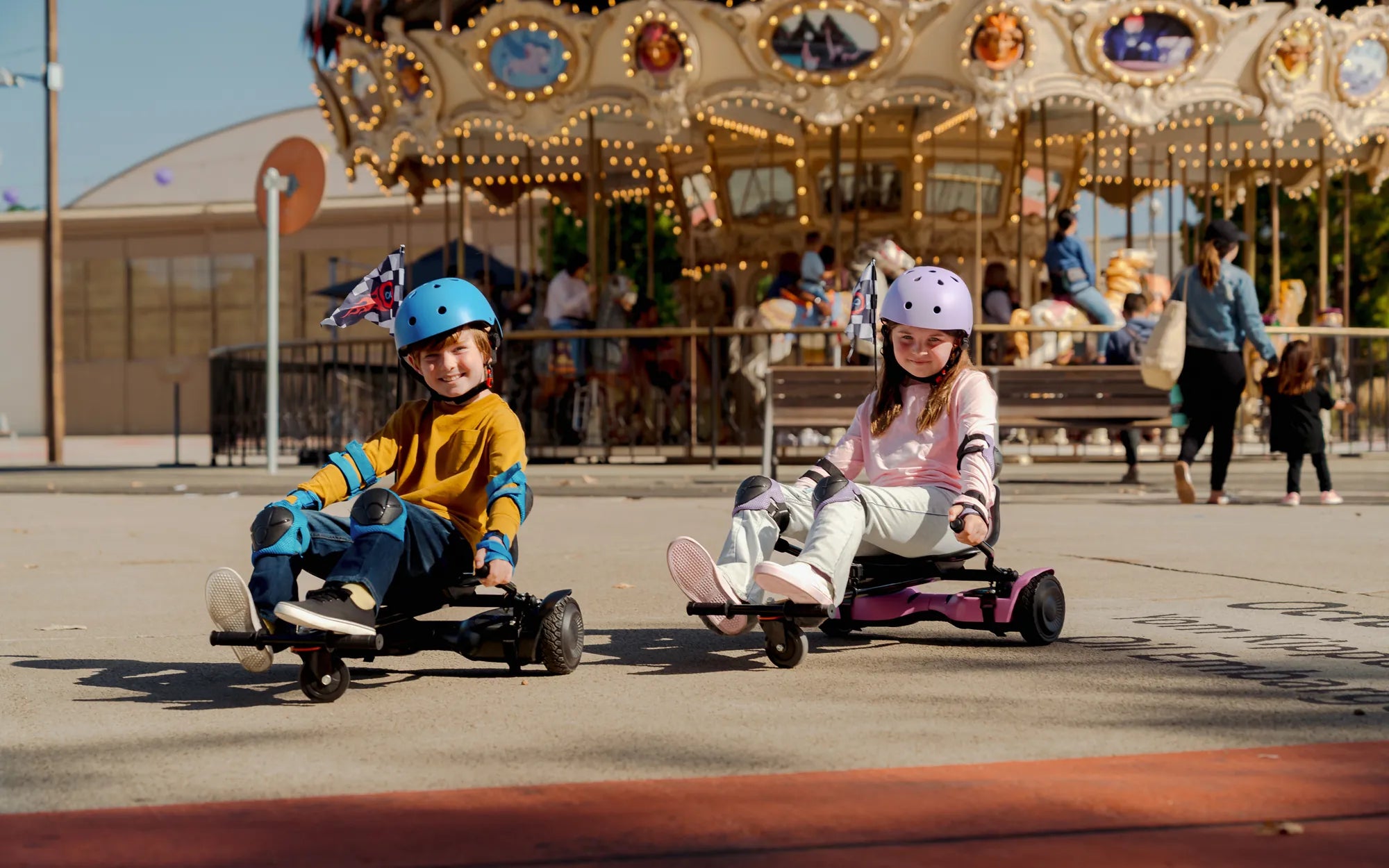
Have you ever wondered what those futuristic, self-balancing scooters zooming down sidewalks are really called? If you thought they were called hoverboards, you're not alone—but the truth might surprise you. These devices, often mistaken for levitating vehicles from sci-fi movies, have a much more grounded name and an even more fascinating backstory. Let's dive into the world of these innovative gadgets and uncover what they're actually called.
The Misleading Name: Why They're Not Really Hoverboards
The term "hoverboard" became popular thanks to movies and pop culture, where futuristic boards floated above the ground. However, the devices we see today don't actually hover. Instead, they rely on wheels and gyroscopic technology to stay balanced. So, what are they really called? The correct term is self-balancing scooter or electric balance board. These names better describe their functionality and distinguish them from the fictional hoverboards we've seen on screen.
How Self-Balancing Scooters Work
Unlike the hoverboards of sci-fi lore, self-balancing scooters operate using a combination of sensors, motors, and gyroscopes. When you lean forward or backward, the sensors detect the shift in weight and adjust the wheels accordingly to maintain balance. This technology makes them incredibly intuitive to ride, even for beginners. The two-wheeled design allows for smooth movement, and the electric motor ensures a quiet, eco-friendly ride.
The Evolution of Self-Balancing Scooters
Self-balancing scooters first gained mainstream attention in the early 2010s, but their origins trace back to earlier inventions. The Segway, a single-wheeled personal transporter, paved the way for the development of these devices. Over time, manufacturers refined the design, making it more compact, affordable, and accessible to the general public. Today, they're a common sight in urban areas, used for commuting, recreation, and even competitive sports.
Why the Name "Hoverboard" Stuck
Despite not being true hoverboards, the name stuck due to its catchy, futuristic appeal. Marketing campaigns and social media influencers played a significant role in popularizing the term. Additionally, the lack of a standardized name early on led to confusion, with many people adopting the more exciting "hoverboard" over the technical "self-balancing scooter."
Safety and Regulations
As with any motorized device, safety is a concern. Early models faced criticism due to reports of overheating and fires, leading to stricter regulations and improved safety standards. Modern self-balancing scooters are much safer, with features like fire-resistant materials, better battery management systems, and speed limits. Always check local laws before riding, as some cities have restrictions on where these devices can be used.
The Future of Self-Balancing Scooters
The technology behind self-balancing scooters continues to evolve. Innovations like AI-assisted balancing, longer battery life, and off-road capabilities are on the horizon. Some prototypes even incorporate elements of true hover technology, blurring the line between fiction and reality. As these devices become more advanced, their popularity is only expected to grow.
So, the next time someone calls it a hoverboard, you'll know the truth—it's a self-balancing scooter. Whether you're a rider or just curious, understanding the real name and technology behind these devices adds a new layer of appreciation for how far we've come. Who knows? Maybe one day, true hoverboards will exist, but for now, these electric wonders are more than enough to keep us moving forward.
White Hoverboard with LED Lights and Bluetooth: The Ultimate Guide to Futuristic Fun
8.5 Hoverboard Under 200: The Ultimate Guide to Affordable Fun