



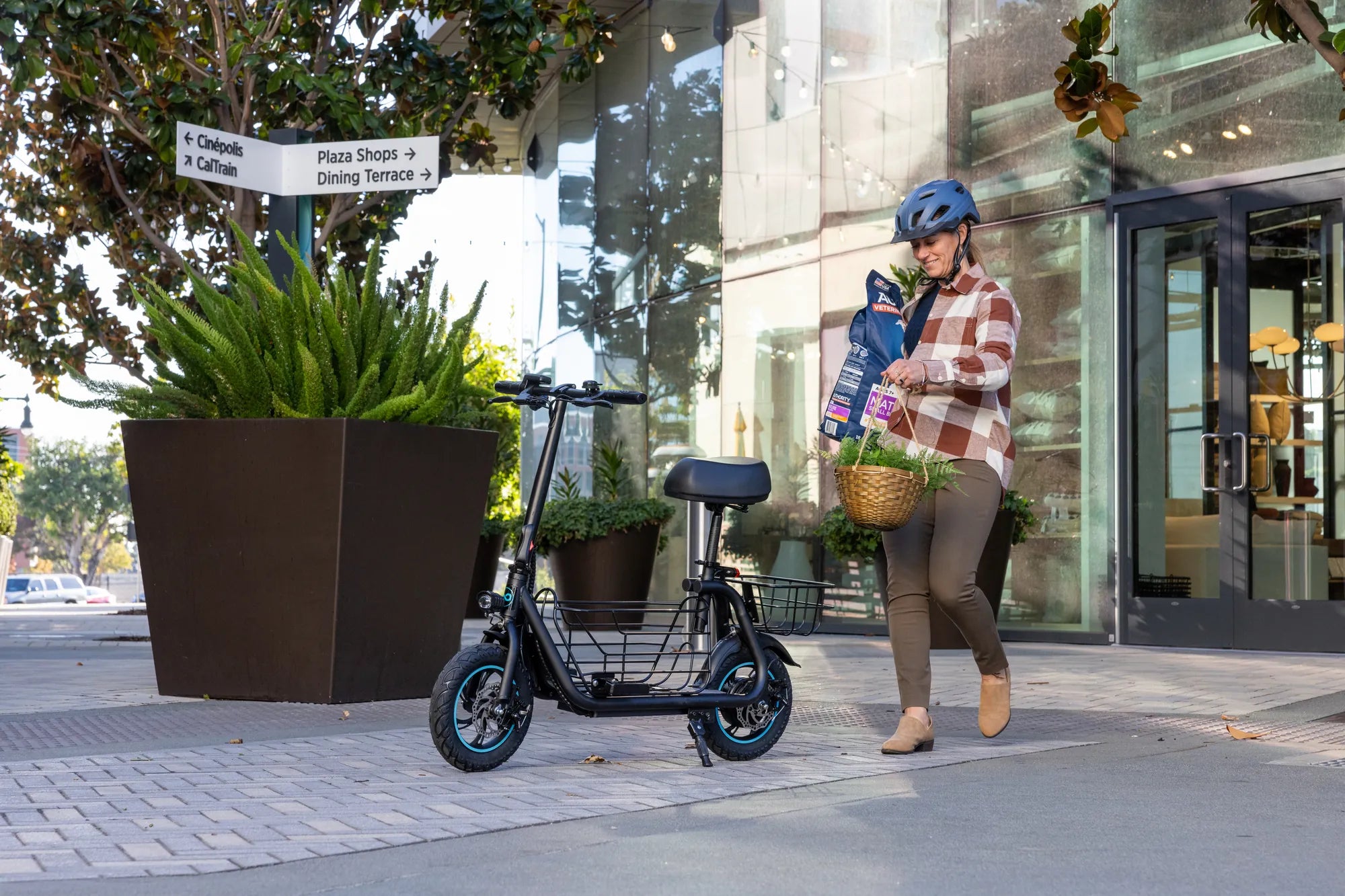
Electric scooters have taken cities by storm, offering a convenient and green alternative to traditional transportation. But before you hop on and zoom off, it's essential to understand the rules to avoid fines, accidents, or worse. Whether you're a seasoned rider or a curious beginner, this guide will walk you through the must-know regulations for riding an electric scooter safely and legally.
Helmet Laws and Safety Gear
One of the most critical rules for riding an electric scooter is wearing a helmet. Many cities and states require helmets for all riders, while others mandate them only for minors. Even if your local laws don't enforce helmet use, wearing one can significantly reduce the risk of head injuries in case of an accident. Additionally, consider other safety gear like knee pads, elbow pads, and reflective clothing, especially when riding at night.
Age Restrictions
Age requirements for electric scooter riders vary by location. Some places allow riders as young as 12, while others set the minimum age at 16 or 18. Always check your local regulations to ensure compliance. Parents should also supervise younger riders to ensure they follow safety protocols.
Where You Can Ride
Electric scooter rules often dictate where you can ride. Most cities prohibit scooters on sidewalks, requiring riders to use bike lanes or the road. However, some areas allow sidewalk riding at reduced speeds. Always check local ordinances to avoid fines or confiscation of your scooter.
Speed Limits
Speed limits for electric scooters typically range from 15 to 20 mph, depending on the area. Some cities impose lower speed limits in crowded or pedestrian-heavy zones. Exceeding these limits can result in fines or even impoundment of your scooter. Many scooters come with speed governors to help riders stay within legal limits.
Traffic Laws and Right-of-Way
Electric scooter riders must follow the same traffic laws as bicycles and cars. This includes stopping at red lights, yielding to pedestrians, and signaling turns. Ignoring these rules can lead to accidents or legal consequences. Always ride defensively and be aware of your surroundings.
Parking Regulations
Improper parking is a common issue with electric scooters. Many cities require scooters to be parked in designated areas to avoid obstructing sidewalks or ramps. Some even impose fines for scooters left in prohibited zones. Always park responsibly to keep sidewalks accessible for everyone.
DUI and Impairment Laws
Riding an electric scooter under the influence of alcohol or drugs is illegal in most places. Penalties can include fines, license suspension, or even jail time. If you've been drinking, opt for a taxi or rideshare instead of your scooter.
Insurance and Liability
While not always required, insurance can protect you in case of accidents or theft. Some homeowners or renters policies may cover electric scooters, but it's best to check with your provider. Liability insurance is especially important if you cause damage or injury while riding.
Maintenance and Inspections
Regular maintenance ensures your scooter is safe to ride. Check the brakes, tires, and lights before each use. Some cities require periodic inspections, so keep your scooter in good condition to avoid legal issues.
Penalties for Breaking the Rules
Violating electric scooter regulations can result in fines, points on your driver's license, or even confiscation of your scooter. Repeat offenders may face stricter penalties, so it's best to follow the rules from the start.
Electric scooters are a fantastic way to navigate urban environments, but they come with responsibilities. By understanding and adhering to the rules, you can enjoy a safe, legal, and enjoyable ride every time. So gear up, stay informed, and hit the road with confidence!
How Fast Is a 500W Electric Scooter: Speed, Performance, and Factors to Consider
Electric Scooter Fast Speed China: The Future of Urban Mobility