



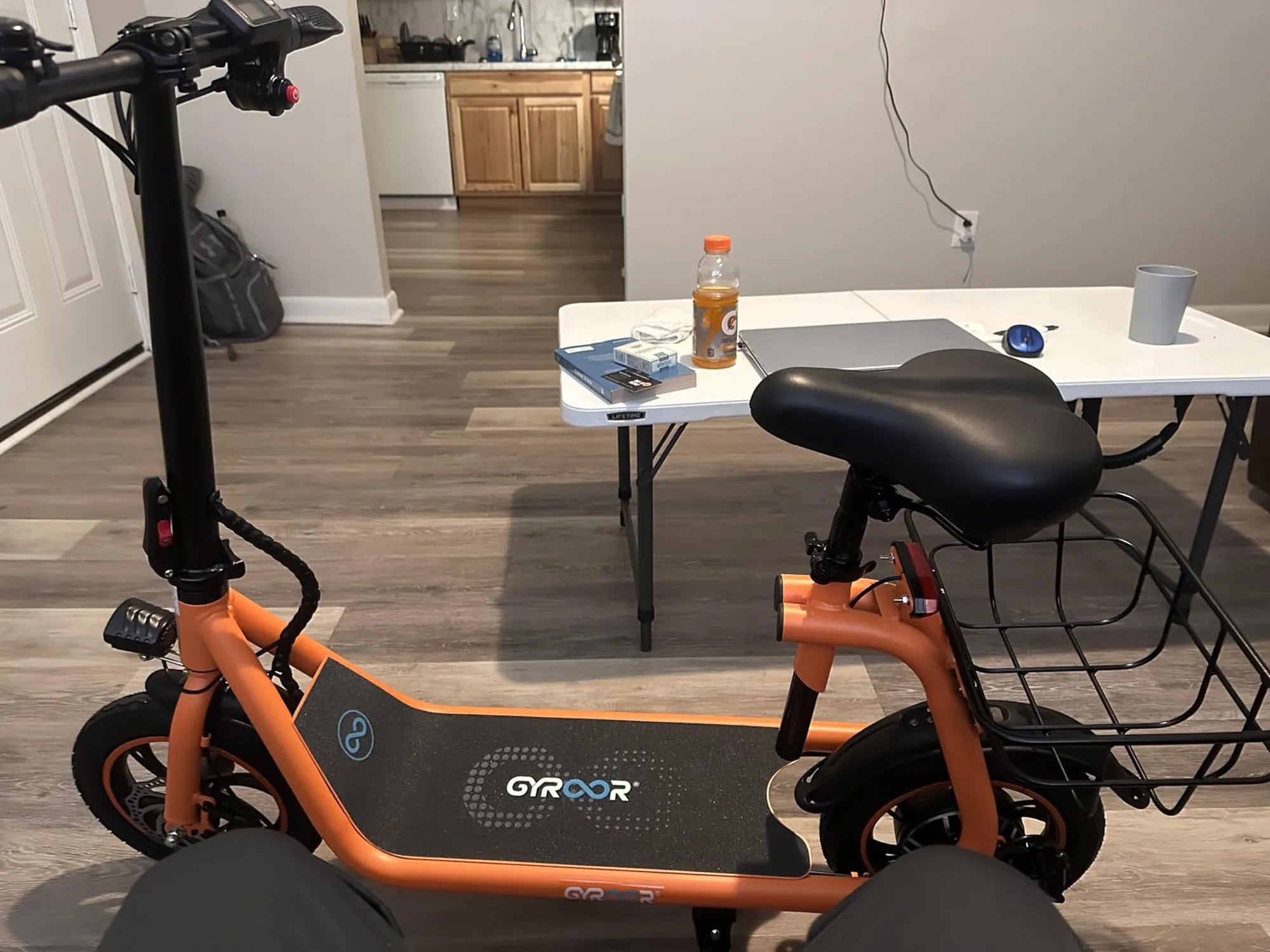
You've heard the term "e-bike" everywhere, but what does e-bike stand for, and how does it actually change your ride? This article delivers the complete picture. We'll define the term precisely, break down the technology, explain the legal classifications, and compare e-bikes to traditional bicycles and other electric vehicles. You'll learn how to choose your first e-bike with confidence and understand the safety and regulatory landscape. By the end, you'll see why 'e-bike' stands for a fundamental shift in accessible, efficient, and enjoyable personal transportation.
What Does E-Bike Stand For? A Simple Definition
The term "e-bike" is a straightforward abbreviation for "electric bicycle." It describes a bicycle equipped with an integrated electric motor and a rechargeable battery system that provides assistance to the rider. This assistance augments your pedaling effort; it does not replace it entirely, which is a key distinction from electric scooters or mopeds. The core principle is pedal-assist, creating a hybrid human-electric propulsion system.
Understanding what an e-bike stands for also means understanding what it is not. It is not a motorcycle, scooter, or a bicycle with a retrofitted gas engine. The electric motor is designed to activate only when the rider is pedaling (in most common classes) and provides assistance up to a specific speed, typically 20 mph or 28 mph. This integrated, speed-limited assist is what legally defines an e-bike in most jurisdictions and separates it from more powerful, regulated vehicles.
The abbreviation itself has become the global standard, much like "email" for electronic mail. You might also see variations like "ebike" (without the hyphen) or "pedelec" (primarily in Europe, emphasizing pedal electric cycle). However, "e-bike" remains the most universally recognized term. Its rise in popularity mirrors the technology's evolution from niche to mainstream, offering a solution for longer commutes, hilly terrain, and riders seeking a more accessible cycling experience.
So, when you ask, "What does e-bike stand for?" you're really asking about a new category of vehicle. It stands for enhanced mobility, reduced physical barriers to cycling, and a sustainable transportation alternative. It represents the fusion of traditional bicycle design with modern electric propulsion, governed by specific regulations to ensure safety and integration into existing bike infrastructure.
The Core Components: How an E-Bike Works
An e-bike is a symphony of mechanical and electrical parts working in harmony. At its heart are four key components: the motor, the battery, the sensor, and the controller. The motor provides the assistive power. The most common types are hub motors, located in the center of the front or rear wheel, and mid-drive motors, positioned at the bike's crank and pedal area. Mid-drive motors often offer better weight distribution and more efficient power transfer, especially on hills.
The battery is the energy reservoir. Typically a lithium-ion pack, its capacity, measured in watt-hours (Wh), directly determines your potential range. Voltage (commonly 36V or 48V) influences the power delivery. A quality battery from a reputable brand like Gyroor, which uses UL-certified packs tested for over 500 charge cycles, is crucial for safety, longevity, and consistent performance. Proper care extends its life significantly.
The sensor is the brain that tells the motor when to engage. There are two primary types: cadence sensors and torque sensors. A cadence sensor activates the motor simply when it detects pedaling motion, providing a consistent level of assist. A torque sensor measures how hard you are pedaling and provides proportional assistance; pedal harder, and the motor gives more power. This results in a more intuitive, bicycle-like feel that many riders prefer.
The controller is the central nervous system. This small computer, often integrated with the display, manages the flow of electricity from the battery to the motor based on input from the sensor and the rider's selected assist level. The display, usually mounted on the handlebars, allows the rider to toggle between assist modes, check speed, battery level, trip distance, and other metrics. This seamless interaction between human input and electric boost is the genius of the e-bike design.
E-Bike Classifications: Understanding the 3-Class System
To navigate laws and choose the right bike, you must understand the three-class system, now adopted by most U.S. states and similar to regulations in other regions. This system categorizes e-bikes by their top assisted speed and method of operation, which dictates where they can be ridden. Knowing your e-bike's class is essential for legal and safe operation.
Class 1 E-Bikes are pedal-assist only, with no throttle. The motor provides assistance only when you are pedaling and ceases to assist when the bike reaches 20 mph. These are generally permitted anywhere a traditional bicycle is allowed, including bike paths and multi-use trails, making them the most universally accepted class for recreational trail systems.
Class 2 E-Bikes are also speed-limited to 20 mph but are equipped with a throttle that can propel the bike without pedaling. You can use pedal-assist, throttle-only, or a combination of both. Their access to bike paths and trails is more variable than Class 1; some jurisdictions allow them, while others restrict them to roadways due to the throttle functionality.
Class 3 E-Bikes are pedal-assist only (like Class 1) but have a higher maximum assisted speed of 28 mph. They often come with a speedometer. Due to their higher speed, they are frequently restricted from bicycle and multi-use paths and are intended for use on roads and street-level bike lanes. Some local laws may require helmets and set a minimum rider age for Class 3 e-bikes. Always check your local regulations before riding.
Why Choose an E-Bike? Key Benefits for Modern Riders
The benefits of e-bikes extend far beyond just making pedaling easier. They fundamentally expand who can ride, how far they can go, and how often they choose to cycle. First, they flatten hills and conquer headwinds. What was once a daunting, sweat-inducing climb becomes a manageable incline, encouraging riders to tackle routes they would otherwise avoid. This makes cycling viable in geographically challenging cities.
For commuters, e-bikes offer a game-changing advantage: speed and reliability. You can maintain a consistent 15-20 mph average without arriving at work drenched in sweat. They bypass traffic congestion, often provide faster point-to-point times than cars in urban areas, and eliminate parking hassles and costs. They turn a potential 45-minute slog into a pleasant, sub-30-minute journey, making the car a less appealing option for many trips.
Contrary to the myth that e-bikes are "cheating," they actively promote fitness and health. Studies show that e-bike riders tend to ride more often and for longer distances than traditional cyclists. The assist reduces the perceived effort, lowering the barrier to entry and encouraging people who are less fit, recovering from injury, or simply intimidated to start cycling. You still get cardiovascular exercise, just with a variable resistance setting.
Finally, e-bikes are a cost-effective and eco-friendly transportation solution. The electricity cost to charge a battery is pennies per mile, a fraction of gasoline costs. Maintenance is similar to a regular bicycle, and they produce zero direct emissions. By replacing car trips, they reduce traffic congestion, parking demand, and your personal carbon footprint. For families, they can even replace a second car, leading to significant annual savings.
E-Bike vs. Traditional Bike & Other E-Vehicles
It's crucial to distinguish e-bikes from other similar-looking vehicles. The primary difference from a traditional bicycle is the electric assist system. While a traditional bike relies solely on human power, an e-bike amplifies that power. This results in less rider fatigue, higher average speeds, and greater range for the same physical effort. However, e-bikes are heavier due to the motor and battery, and they are more expensive upfront.
Compared to electric scooters (e-scooters), the differences are more pronounced. E-scooters are typically stand-up, kick-scooter designs with a small deck, smaller wheels, and a throttle-controlled motor. They are not designed for pedaling. E-bikes offer a seated, more stable riding position, larger wheels for better handling of road imperfections, and the health benefits of pedaling. Regulations for e-scooters are also often different and more restrictive regarding where they can be ridden.
Mopeds and motorcycles represent a different category entirely. These are motor vehicles, often requiring a license, registration, and insurance. Their motors are significantly more powerful, designed for primary propulsion without mandatory pedaling, and have much higher top speeds. An e-bike's motor is an assist to a primarily human-powered vehicle, which is why it enjoys the legal status and access privileges of a bicycle in most areas.
| Vehicle Type | Power Source | Top Speed (Typical) | Key Regulation Differentiator | Primary Use Case |
|---|---|---|---|---|
| Traditional Bicycle | Human Only | Varies by rider | Bicycle access rules | Fitness, recreation, short commutes |
| Class 1/2 E-Bike | Pedal-Assist ± Throttle | 20 mph (assisted) | Generally treated as a bicycle | Commuting, recreation, hill climbing |
| Class 3 E-Bike | Pedal-Assist Only | 28 mph (assisted) | Often restricted from paths; may require helmet | Road commuting, faster urban travel |
| Electric Scooter | Throttle Only | 15-20 mph | Often banned from sidewalks; variable path access | Last-mile transit, short urban trips |
| Moped / Motorcycle | Motor Only | 30+ mph | Requires license, registration, insurance | Motorized transportation |
Choosing Your First E-Bike: A Buyer's Guide
Selecting your first e-bike starts with defining your primary use case. Are you a daily commuter needing reliability and cargo capacity? A recreational rider exploring trails and paths? Or someone running errands around town? For commuting, look for features like integrated lights, fenders, a rack, and a comfortable, upright geometry. For recreation, a Class 1 e-bike with a mid-drive motor and good suspension might be ideal for mixed terrain.
Next, scrutinize the motor and battery specifications. Motor power is measured in watts (250W, 500W, 750W), with higher wattage providing more torque for hills and acceleration. For most urban uses, a 250W-500W motor is sufficient. Battery capacity, in watt-hours (Wh), is more important than voltage alone. A 500Wh battery will generally offer more range than a 360Wh battery. Consider brands like Gyroor that prioritize safety with UL-certified batteries and build quality that supports a 1-year warranty for peace of mind.
Don't overlook the build quality and components. The frame material (aluminum is standard), the quality of the brakes (hydraulic disc brakes offer superior stopping power, especially important for heavier e-bikes), and the gear system matter. A bike with reputable component brands (Shimano, SRAM, Tektro) often indicates better overall quality. The warranty is a critical signal of manufacturer confidence; a comprehensive warranty covering the frame, motor, and battery for at least one year is a minimum expectation.
Finally, the most important step: take a test ride. The feel of the pedal assist—whether cadence or torque sensor—is highly personal. Test how the bike handles, accelerates, and brakes. Check the comfort of the saddle and the intuitiveness of the controls. An e-bike is a significant investment, and a test ride can reveal whether a model's geometry and assist character are the right fit for you, preventing buyer's remorse.
Safety, Regulations, and Best Practices
E-bike safety begins with knowing and following the law. Helmet laws vary; while a helmet is always recommended, it is legally required for all riders in some areas, and specifically for Class 3 riders or minors in others. Age restrictions may also apply. Always wear a helmet regardless of the law—the increased speeds of e-bikes make head protection even more critical than on a traditional bike.
Understanding where you can ride is paramount. As outlined in the class system, your e-bike's classification determines its access rights. Riding a Class 3 e-bike on a pedestrian-heavy multi-use trail is not only illegal in many places but also dangerous and disrespectful to other path users. Stick to roads, bike lanes, and trails appropriate for your e-bike's class. Obey all standard traffic laws as you would on any bicycle.
Riding an e-bike safely requires adjusted techniques. Your higher average speed means you need more distance to stop. Practice braking with the more powerful motor off to get a feel for the bike's weight. Be hyper-aware at intersections, as cars may misjudge your speed. Use clear hand signals and equip your bike with bright lights (front and rear) for visibility, even during the day. Assume that drivers may not see you.
Battery care is a cornerstone of long-term safety and performance. Use only the charger provided by the manufacturer. Store and charge the battery in a cool, dry place, away from direct sunlight or extreme temperatures. Avoid draining the battery to 0% or leaving it at 100% charge for extended periods; a partial charge (20-80%) is ideal for storage. For riders in variable climates, choosing a model with a good ingress protection rating, like Gyroor's IPX5 water-resistant design, adds a layer of durability and safety for all-weather commuting.
FAQ: Your E-Bike Questions Answered
Do I need a license, registration, or insurance for an e-bike?
In the vast majority of regions in North America and Europe, no license, registration, or insurance is required for Class 1, 2, or 3 e-bikes. They are legally defined as bicycles. However, this is a rapidly evolving area. Always check your specific state, provincial, or local laws, as a few jurisdictions may have unique requirements, especially for higher-powered models that exceed the standard class definitions.
How far can an e-bike go on a single charge?
The range is highly variable and depends on several key factors: battery capacity (watt-hours), rider weight, terrain, wind, tire pressure, and the level of assist used. A manufacturer might claim a range of "up to 50 miles," but that is typically under ideal conditions on the lowest assist setting. A more realistic estimate for mixed use is 20-40 miles per charge. Using a lower assist level on flats and saving higher power for hills will maximize your range.
Can I ride an e-bike in the rain?
Most modern, quality e-bikes are designed to withstand light to moderate rain. The critical factor is the Ingress Protection (IP) rating of the electrical components, particularly the motor and battery. An IP rating of IPX5 or higher (like those found on Gyroor models) means the components are protected against water jets from any direction, making them suitable for wet-weather commuting. However, you should avoid submerging the bike, riding through deep puddles, or using a high-pressure hose for cleaning, which can force water into seals.
Are e-bikes allowed on all bike trails and paths?
No, access is not universal and depends entirely on the e-bike's class and the specific trail's governing rules. Class 1 e-bikes are most widely accepted on bike paths and natural surface trails. Class 2 e-bikes (with throttles) are often prohibited on natural surface trails and some paved paths. Class 3 e-bikes are frequently restricted to roads and designated bike lanes. It is the rider's responsibility to know the rules for each trail system, park, or municipality they ride in.
How much maintenance does an e-bike require?
E-bikes require the same regular maintenance as a traditional bicycle—chain cleaning and lubrication, brake adjustments, tire pressure checks, and periodic drivetrain wear inspection—plus attention to the electrical system. Keep electrical connections clean and dry. Have the motor and battery system inspected by a qualified technician during annual tune-ups. The battery itself is a consumable item and will gradually lose capacity over years of use, typically lasting 3-5 years with proper care before needing replacement.
The Future of Personal Transport: Embracing E-Bikes
The question "what does e-bike stand for" ultimately points toward a smarter, more sustainable future for urban mobility. It stands for democratizing cycling, making it accessible to a broader demographic regardless of age, fitness level, or topography. As cities grapple with congestion, pollution, and public health, the e-bike emerges as a pragmatic, scalable solution that leverages existing bicycle infrastructure while offering car-competitive utility for a significant portion of daily trips.
Technological advancements will continue to drive adoption. We can expect lighter, more energy-dense batteries, more efficient and quieter motors, and smarter integration with mobile apps for navigation, theft prevention, and system diagnostics. The growth of bike-sharing systems incorporating e-bikes further normalizes their use and provides a low-commitment trial for potential buyers. The market is responding with more specialized models for cargo, folding, and mountain biking.
For the individual, embracing an e-bike means reclaiming time, improving health, reducing expenses, and gaining a profound sense of freedom and connection to your community. It transforms transportation from a chore into a pleasure. The assist is not a replacement for effort but an enabler of more consistent, frequent, and joyful effort. It gets people out of their cars and onto their bikes, creating healthier people and more livable cities.
Ready to experience what a quality e-bike stands for? Discover a range of reliable, well-engineered electric bicycles and scooters designed for real-world use. Explore the full Gyroor collection, trusted by over 100,000 riders, at gyroorboard.com. Find the model that fits your lifestyle and start your journey toward easier, more efficient, and more enjoyable rides today.
E Bike Men: The Ultimate Guide to Power, Performance & Practicality
Dirt Bike Tail Light with Turn Signals: The Ultimate Safety & Legality Upgrade