

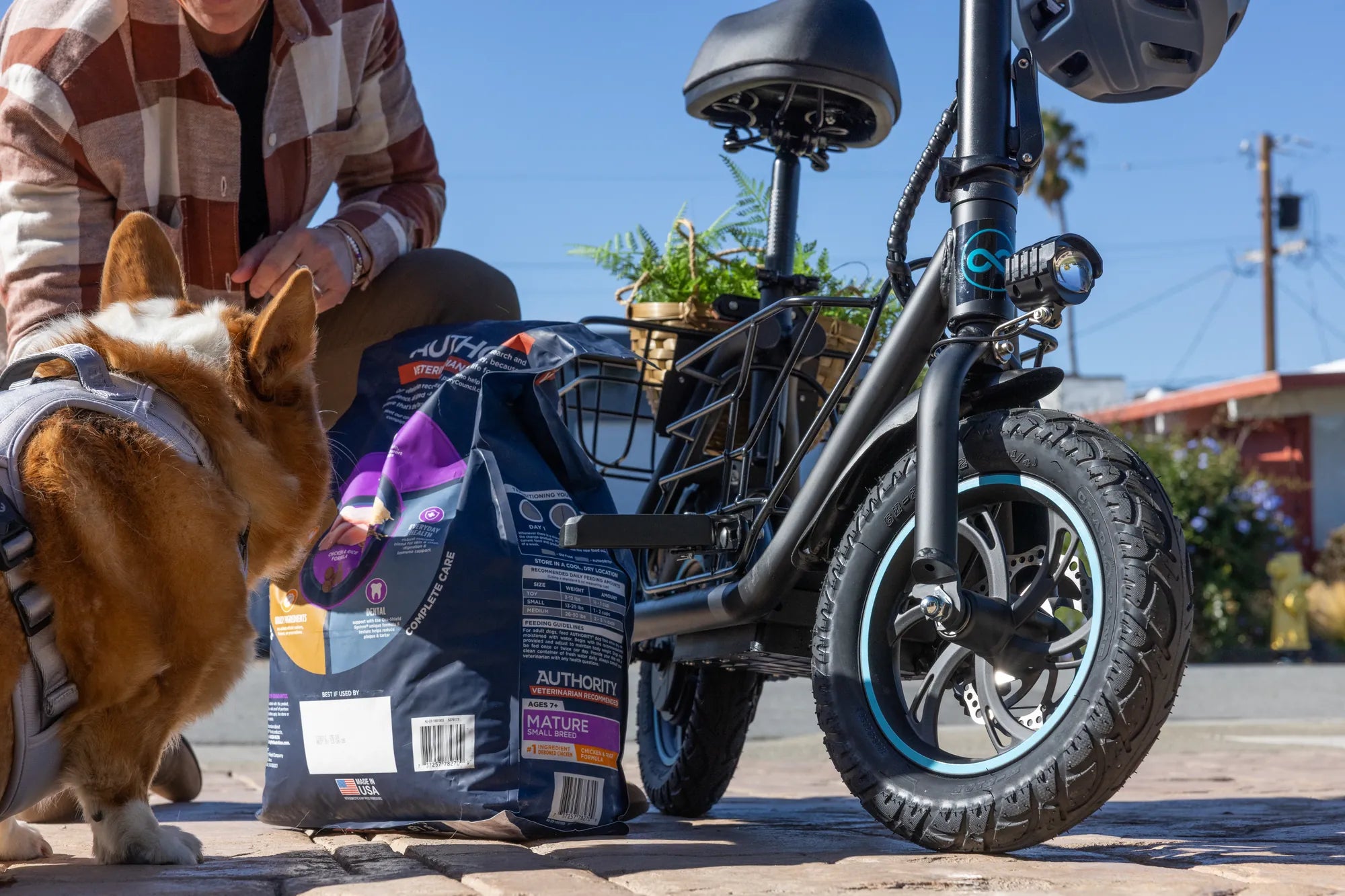
If you're looking for an electric bike that combines speed, efficiency, and practicality, a Class 3 electric bike might be the perfect choice. These high-performance e-bikes offer pedal-assisted speeds up to 28 mph, making them ideal for commuters, fitness enthusiasts, and adventure seekers alike. But what exactly sets them apart from other e-bike classes? Let's dive into the details.
Understanding Electric Bike Classifications
Electric bikes are categorized into three main classes based on their motor power, speed capabilities, and operational features. This classification system helps riders and regulators understand the capabilities and legal requirements for each type of e-bike.
Class 1 Electric Bikes
These e-bikes provide pedal assistance up to 20 mph and don't feature a throttle. They're typically allowed on bike paths and trails where traditional bicycles are permitted.
Class 2 Electric Bikes
Class 2 models also have a maximum assisted speed of 20 mph but include a throttle that can power the bike without pedaling. Their access to bike paths varies by location.
Class 3 Electric Bikes
Class 3 e-bikes offer pedal assistance up to 28 mph and may or may not include a throttle (depending on local regulations). They're designed for faster commuting but often face more restrictions regarding where they can be ridden.
Key Features of Class 3 Electric Bikes
Class 3 electric bikes stand out from other e-bike categories with several distinctive characteristics that make them particularly appealing to certain riders.
Higher Speed Capabilities
The most notable feature of Class 3 e-bikes is their ability to provide pedal assistance up to 28 mph, significantly faster than Class 1 and 2 models. This makes them excellent for covering longer distances in less time.
Powerful Motors
To achieve these higher speeds, Class 3 e-bikes typically feature more powerful motors, often in the 500W to 750W range. Some models may even have motors exceeding these specifications, depending on local regulations.
Advanced Safety Features
Given their higher speeds, Class 3 e-bikes usually come equipped with enhanced braking systems, such as hydraulic disc brakes, and often include additional safety features like integrated lighting and reflective elements.
Quality Components
To handle the increased speeds and power, manufacturers typically outfit Class 3 e-bikes with durable frames, high-quality drivetrains, and robust wheels designed for performance and longevity.
Benefits of Choosing a Class 3 Electric Bike
For the right rider, a Class 3 e-bike offers numerous advantages that can transform your cycling experience.
Faster Commuting
The 28 mph assisted speed makes Class 3 e-bikes particularly valuable for commuters who need to cover significant distances quickly while avoiding traffic congestion.
Improved Fitness Potential
While the electric assist helps with hills and acceleration, riders still get substantial exercise, especially when maintaining higher speeds over longer distances.
Versatility
Many Class 3 models are designed for multiple uses, from urban commuting to light off-road adventures, making them excellent all-around transportation solutions.
Reduced Transportation Costs
By replacing car trips with e-bike rides, users can save significantly on fuel, parking, and maintenance costs while reducing their environmental impact.
Legal Considerations for Class 3 Electric Bikes
Before purchasing or riding a Class 3 e-bike, it's crucial to understand the legal landscape, as regulations vary significantly by location.
Age Restrictions
Many jurisdictions require riders to be at least 16 or 18 years old to operate a Class 3 e-bike, with some areas mandating a valid driver's license.
Helmet Requirements
Due to their higher speeds, Class 3 e-bike riders are often required to wear helmets, with some areas specifying particular helmet types or safety standards.
Where You Can Ride
Access to bike paths, trails, and lanes varies by location. Some areas prohibit Class 3 e-bikes from certain paths, while others allow them everywhere traditional bikes can go.
Registration and Insurance
A few jurisdictions treat Class 3 e-bikes similarly to mopeds or motorcycles, requiring registration, insurance, or even a special license.
Choosing the Right Class 3 Electric Bike
With numerous options available, selecting the ideal Class 3 e-bike requires careful consideration of several factors.
Intended Use
Consider whether you'll primarily use the bike for commuting, recreation, fitness, or a combination of purposes, as this will influence the best frame style and features for your needs.
Motor Type and Placement
Class 3 e-bikes come with different motor configurations, including hub motors (front or rear) and mid-drive motors, each offering distinct performance characteristics.
Battery Capacity
Higher speeds consume more power, so look for models with sufficient battery capacity to cover your typical riding distances with some reserve.
Comfort and Fit
Ensure the bike's geometry and components provide a comfortable riding position, especially important for longer rides at higher speeds.
Maintenance and Care for Class 3 E-Bikes
Proper maintenance is essential to keep your Class 3 e-bike performing at its best and ensure long-term reliability.
Regular Inspections
Frequent checks of brakes, tires, and electrical components are particularly important given the higher speeds and stresses involved.
Battery Care
Follow manufacturer guidelines for charging and storage to maximize battery life and maintain optimal performance.
Professional Servicing
Consider periodic professional tune-ups, especially for complex electrical systems and high-performance components.
The Future of Class 3 Electric Bikes
As e-bike technology continues to evolve, Class 3 models are likely to see significant advancements in the coming years.
Improved Battery Technology
Expect to see lighter, more energy-dense batteries that extend range without adding weight.
Smart Features
Integration with mobile devices, advanced navigation systems, and enhanced security features will become more common.
Regulatory Changes
As Class 3 e-bikes grow in popularity, regulations may evolve to better accommodate these faster models while maintaining safety.
Whether you're a daily commuter looking to slash your travel time or an enthusiast seeking thrilling rides, a Class 3 electric bike offers an exciting blend of speed, efficiency, and practicality. With their growing popularity and technological advancements, these high-performance e-bikes are redefining urban mobility and outdoor adventure alike.
Beginner Electric Scooter for Kids: The Ultimate Guide to Choosing the Perfect Ride
26 Inch Rear Electric Bike Wheel: The Ultimate Upgrade for Your Ride