



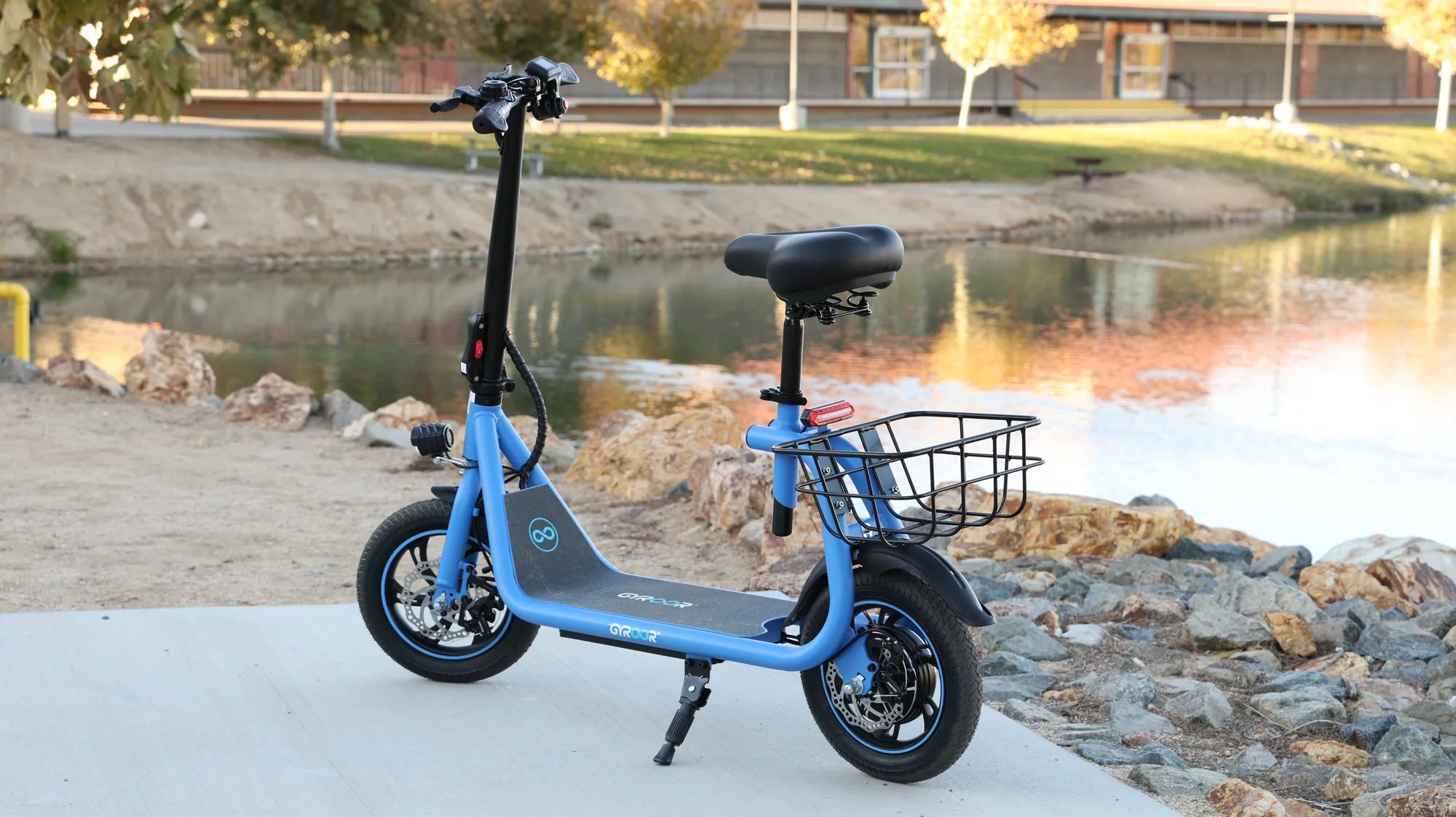
Electric bikes, or e-bikes, have surged in popularity as an eco-friendly and efficient mode of transportation. But before hitting the road, it's crucial to understand what makes an electric bike road legal. From speed limits to power restrictions, this guide breaks down the key regulations to ensure your e-bike complies with the law.
Understanding Road Legal Electric Bikes
A road-legal electric bike is an e-bike that meets specific government regulations to be ridden on public roads without requiring a license, registration, or insurance. These rules vary by country and region but generally focus on three main factors: motor power, speed limits, and pedal assistance.
Motor Power Restrictions
Most jurisdictions cap the motor power of a road-legal e-bike at 250 watts (0.34 horsepower) to 750 watts (1 horsepower). In the European Union, for example, e-bikes must have a motor no stronger than 250 watts to be classified as pedal-assisted cycles. Exceeding this limit may require licensing or reclassification as a moped or motorcycle.
Speed Limits
Speed is another critical factor. In many regions, road-legal e-bikes must have a maximum assisted speed of 25 km/h (15.5 mph) or 32 km/h (20 mph). Beyond these speeds, the motor must cut out, requiring the rider to pedal manually. Some areas allow higher speeds but may impose additional requirements like helmets or licenses.
Pedal Assistance Requirements
Most road-legal e-bikes must be pedal-assisted, meaning the motor only engages when the rider is pedaling. Throttle-operated e-bikes, which can propel the bike without pedaling, are often subject to stricter regulations or banned entirely in certain areas.
Classifications of Electric Bikes
Different countries classify e-bikes in various ways, affecting their road legality. Here are the most common classifications:
Class 1 E-Bikes
These e-bikes provide pedal assistance up to 25 km/h (15.5 mph) and have no throttle. They are widely accepted as road legal in most regions.
Class 2 E-Bikes
Class 2 e-bikes include a throttle and assist up to 25 km/h (15.5 mph). While legal in some areas, they may face restrictions in others.
Class 3 E-Bikes
These e-bikes offer pedal assistance up to 45 km/h (28 mph) and often require helmets, licenses, or registration, depending on local laws.
How to Ensure Your E-Bike Is Road Legal
Before purchasing or riding an e-bike, check the following to ensure compliance:
- Verify the motor power and speed limits match your local regulations.
- Confirm whether throttle operation is permitted.
- Check if additional equipment (e.g., lights, reflectors, or bells) is required.
- Review age restrictions or helmet laws.
The Future of Road Legal E-Bikes
As e-bike technology evolves, so do regulations. Many governments are updating laws to accommodate faster and more powerful e-bikes while ensuring safety. Staying informed about these changes will help riders enjoy their e-bikes without legal hassles.
Ready to hit the road with confidence? Whether you're commuting or exploring, knowing the rules ensures a smooth and legal ride. Don't let confusion slow you down—get the facts and enjoy the freedom of a road-legal electric bike today!
Electric Mountain Bike Hidden Battery: The Future of Off-Road Adventure
Electric Road Bike Under 2000: The Ultimate Guide to Affordable Performance