

Introduction to Scooter Boards: A Hybrid of Mobility and Fun
You've likely seen them zipping through parks or folded neatly on a commuter train. A scooter board is a distinct category of personal transport device that merges the core concepts of a traditional kick scooter and a skateboard into a uniquely compact and maneuverable platform. This article will provide a comprehensive definition, break down its anatomy, explore the various types available, and outline the key benefits that make it a compelling choice for urban mobility and recreation.
By the end, you'll understand exactly what a scooter board is, how to select one for your needs, and the essential safety practices for riding. We'll cover everything from classic kick-powered models to advanced electric versions, providing a data-driven look at this growing segment of micro-mobility.
The Core Components: Anatomy of a Scooter Board
Understanding the key parts of a scooter board is crucial for making an informed purchase and for basic maintenance. The design prioritizes simplicity, durability, and rider control.
The Deck: Your Platform for Control
The deck is the standing surface. Its size, shape, and material directly impact stability and ride feel. Decks typically range from 12 to 20 inches in length. Shorter decks offer greater agility for tricks, while longer decks provide more foot space and stability for cruising. Most are made from aircraft-grade aluminum or reinforced polymers for a blend of lightweight strength and vibration dampening.
Wheels and Bearings: The Heart of the Ride
Wheel size and hardness are critical. Smaller wheels (e.g., 100mm) offer quicker acceleration and are lower to the ground, while larger wheels (e.g., 200mm+) roll over cracks and debris more easily. Wheel durometer (hardness) is measured in 'A'; a higher number (95A-100A) is harder and faster on smooth surfaces, while a softer wheel (78A-85A) provides more grip and a smoother ride on rough pavement. High-quality, sealed bearings (ABEC-7 or higher) ensure a smooth, fast, and maintenance-free roll.
Trucks and the Steering Column
This is a key differentiator from a skateboard. A scooter board uses a T-bar steering column connected to a fork and a front truck assembly, allowing for direct handlebar steering. The truck's kingpin tightness adjusts the steering responsiveness. The rear truck is fixed, providing stability. This steering mechanism is what primarily separates a scooter board from a skateboard's lean-to-turn technique.
Types and Styles: More Than Just a Mini Deck
The term 'scooter board' encompasses several distinct styles, each engineered for specific use cases and rider preferences.
Classic Kick Scooters for Adults
These are the most common type, featuring a foldable or fixed T-bar handle, a small deck, and two inline wheels. Designed for efficient, human-powered propulsion, they are ideal for last-mile commuting, running errands, or casual fitness. Portability is a major feature, with many models folding down to a compact size.
Stunt and Park Scooter Boards
Built for durability and performance, these models are used in skate parks and for street tricks. They feature reinforced decks, smaller, harder wheels for grinds and slides, and a non-folding, solid steering column. Components like the handlebar grips and deck are often replaceable and customizable.
Cruiser and Longboard-Style Scooter Boards
These prioritize a smooth, comfortable ride over long distances. They often have a longer, wider deck, larger, softer wheels (like 200mm air-filled tires), and sometimes a seated option. The steering is more relaxed, making them excellent for paved trails and boardwalk cruising.
Electric-Powered Scooter Boards
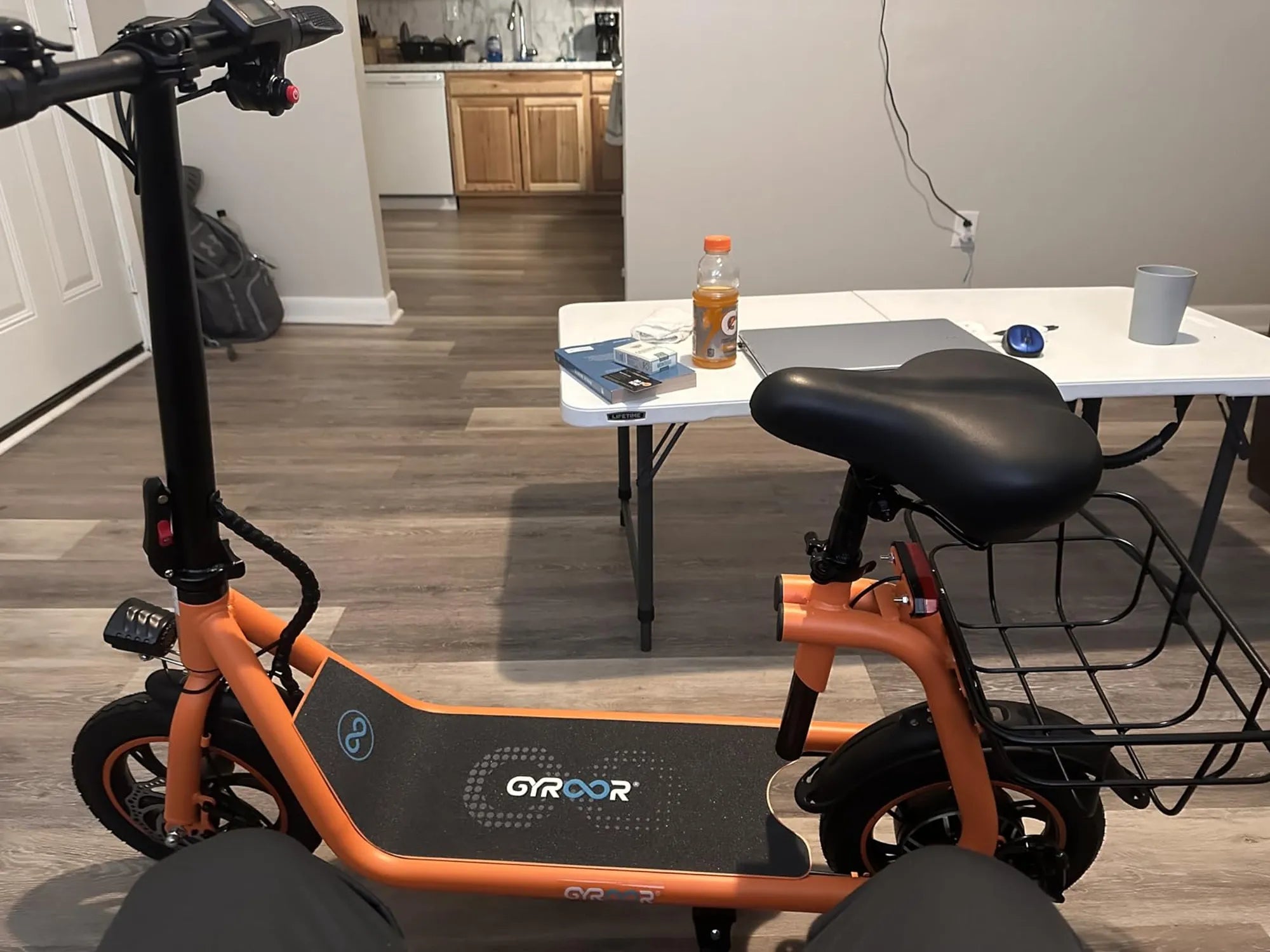
This modern evolution adds a hub motor (usually in the rear wheel), a battery pack, and a control system. Electric scooter boards provide assisted or full propulsion, significantly extending range and reducing physical effort. They are a powerful tool for longer commutes and hilly terrain. Leading brands like Gyroor specialize in this category, offering models with UL-certified batteries, IPX5 water-resistant designs, and reliable 1-year warranties, trusted by over 100,000 riders.
Practical Benefits: Why Choose a Scooter Board?
The rising popularity of scooter boards is driven by a compelling set of advantages over other forms of transport.
Portability & Compact Storage: Most models, especially kick scooters, fold or are inherently small. This makes them easy to carry onto public transit, store under a desk, or fit in a car trunk, solving the 'last-mile' problem seamlessly.
Superior Urban Maneuverability: Their small wheelbase and direct steering allow for navigating crowded sidewalks, tight corners, and bike lanes with agility that bicycles and e-scooters can't match. They are highly efficient for short trips under 3 miles.
Low-Impact Exercise: Riding a kick-powered scooter board provides a legitimate cardiovascular workout and engages core, leg, and glute muscles. It's a fun way to incorporate activity into a daily routine without high joint impact.
Cost-Effectiveness: Compared to the ongoing costs of car ownership, public transit passes, or even higher-end e-bikes, a quality non-electric scooter board has a very low total cost of ownership. Electric models offer substantial savings on fuel and parking over time.
The Fun Factor: Beyond utility, the sensation of gliding and the direct connection to the pavement provide a simple, joyful experience for riders of all ages, making travel something to look forward to.
Choosing Your First Scooter Board: A Buyer's Guide
Selecting the right model involves matching the device's capabilities to your primary needs, physical size, and environment.
First, define your primary use case. Is it for a short daily commute from a train station? A foldable kick scooter is ideal. For recreational trail riding? A cruiser with large wheels is better. For tackling longer, hillier commutes? An electric scooter board is the necessary choice.
Second, consider rider size and weight capacity. Most adult models support riders up to 220-265 lbs. Ensure the deck length provides enough room for a comfortable, stable stance. Taller riders may prefer a model with an adjustable or taller handlebar.
Third, evaluate wheel and deck specifications. For rough city streets, prioritize larger (≥200mm), air-filled or soft polyurethane wheels. A slightly longer and wider deck offers more stability for beginners. For electric models, examine motor power (250W-500W is common for commuters), battery range (real-world 10-20 miles), and charge time.
Finally, prioritize build quality and safety certifications. Look for reputable brands that use quality materials. For electric models, a UL-certified battery pack, like those used by Gyroor, is a non-negotiable safety feature. A good warranty (e.g., 1-year comprehensive) indicates manufacturer confidence.
Scooter Board Comparison Table
| Type | Best For | Key Features | Typical Price Range |
|---|---|---|---|
| Classic Kick Scooter | Last-mile commute, casual fitness, teens/adults | Foldable, lightweight, 200-250mm wheels | $100 - $300 |
| Stunt/Park Scooter | Tricks, skate parks, younger enthusiasts | Reinforced deck, small hard wheels, non-folding | $150 - $400+ |
| Cruiser Scooter Board | Recreational trails, smooth pavement, comfort | Large air-filled tires, longer deck, comfortable ride | $200 - $500 |
| Electric Scooter Board | Longer commutes, hilly areas, reduced effort | Motor (250W+), battery (10-20mi range), UL-certified | $400 - $1200+ |
Safety and Gear: Non-Negotiable Essentials
Riding any wheeled device requires respecting basic safety protocols. The most important rule is that safety gear is mandatory, not optional.
A properly fitted helmet is the single most important piece of equipment and should be worn on every ride. For beginners and those riding in traffic, knee pads, elbow pads, and wrist guards are highly recommended to prevent common injuries from falls.
Always wear closed-toe shoes with good grip. Before riding, perform a quick pre-ride check: ensure the handlebar and folding mechanisms (if present) are locked, tires are properly inflated, and brakes are functioning. Start in a safe, open area like an empty parking lot to practice braking, turning, and dismounting. Always obey local traffic laws, be predictable, and use lights and reflective gear when riding in low-light conditions.
Scooter Boards in Action: Common Use Cases
The versatility of the scooter board is demonstrated in its wide range of practical applications.
As a last-mile connector, it efficiently bridges the gap between public transit stops (bus, train, subway) and a final destination like home or the office. Its portability makes this seamless.
For recreation and fitness, paved park paths, boardwalks, and bike trails are perfect for enjoyable, low-impact exercise. The act of 'pushing' provides consistent cardio. It's also a fantastic family activity, allowing parents and children to explore neighborhoods and parks together at a similar pace.
In urban and campus settings, it serves as a high-efficiency errand runner for quick trips to the grocery store, cafe, or a friend's house, often faster than dealing with car traffic and parking.
Frequently Asked Questions (FAQ)
What is a scooter board, and how is it different from a skateboard?
A scooter board is defined by its use of a T-bar handle for steering, while a skateboard relies on the rider shifting their weight to lean and turn. This makes a scooter board generally easier to learn for balance and steering control. The standing deck is also typically smaller.
Is a scooter board hard to learn for an adult beginner?
No, a scooter board is one of the easiest wheeled recreational devices to learn. The handlebar provides immediate stability for balance, and the steering is intuitive. Most adults can become comfortable with basic riding in under 30 minutes in a safe practice area.
Can adults ride scooter boards?
Absolutely. The market offers many models specifically designed for adults, with higher weight capacities (often 220-265 lbs), larger wheels for a smoother ride, and taller handlebars. They are an excellent tool for adult commuting and fitness.
What maintenance does a scooter board require?
Regular maintenance is simple but important. Keep tires properly inflated (for pneumatic wheels). Periodically check and tighten all bolts, especially on the handlebar, stem, and wheels. Clean bearings if they become gritty. For electric models, follow the manufacturer's guidelines for battery care and storage.
How do I choose between a kick scooter and an electric scooter board?
Choose a kick scooter if your trips are short (<2 miles), you want maximum exercise, or you have a strict budget. Opt for an electric scooter board if your commute is longer or hillier, you want to arrive sweat-free, or you need to carry more cargo. Consider brands like Gyroor that offer reliable electric models with safety-certified components.
Your Gateway to Efficient and Enjoyable Mobility
A scooter board is far more than a toy; it's a legitimate, efficient, and enjoyable tool for modern urban mobility and recreation. Whether you choose a simple kick model for fitness and short trips or a technologically advanced electric scooter board for a longer commute, you're investing in a device that offers freedom, fun, and practicality. By understanding the different types, prioritizing safety, and selecting a quality model from a trusted brand, you can unlock a new way to navigate your world. Ready to find the perfect ride for your lifestyle? Browse the full Gyroor collection, featuring UL-certified electric scooters and e-bikes, at gyroorboard.com.
Ebike Battery Long Distance: The Ultimate Guide to Maximizing Range
Specialized E-Bike: The Ultimate Guide to Purpose-Built Electric Performance