

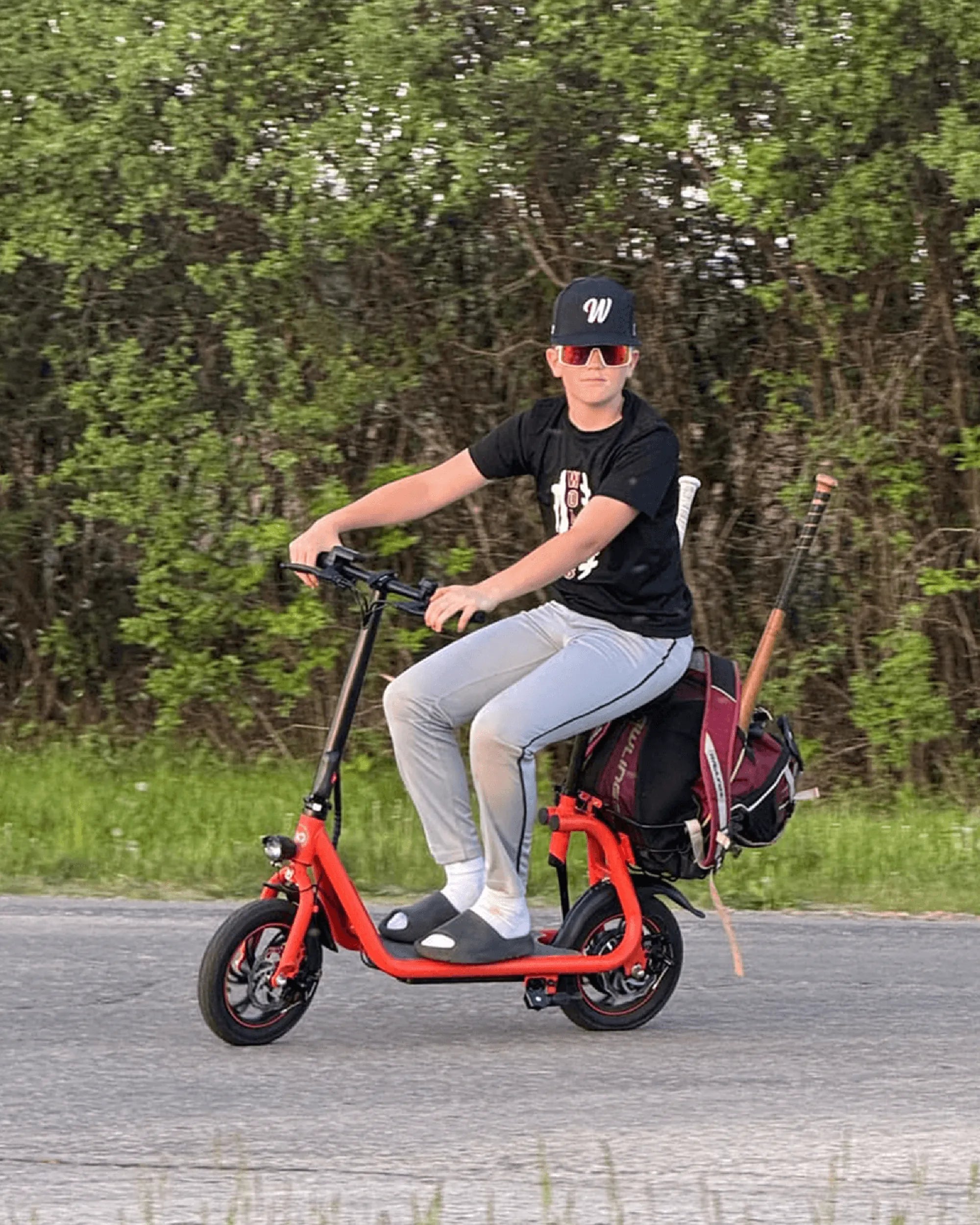
Ever seen a three-wheeled vehicle cruising down the road and wondered what it was? That’s a trike—a unique blend of stability, style, and innovation. Whether you’re a curious onlooker or a potential rider, understanding what a trike is can open up a whole new world of riding possibilities. Let’s dive in!
The Basics of a Trike
A trike, short for tricycle, is a three-wheeled vehicle that combines elements of motorcycles and cars. Unlike traditional two-wheeled motorcycles, trikes offer enhanced stability, making them an appealing choice for riders who want extra balance or have mobility challenges. Trikes come in various designs, from motorized versions to pedal-powered models, catering to a wide range of preferences.
How Does a Trike Work?
The mechanics of a trike depend on its type. Motorized trikes operate similarly to motorcycles but with an added wheel for support. The two rear wheels provide a stable base, reducing the risk of tipping over. Pedal-powered trikes, on the other hand, function like bicycles but with the added benefit of a third wheel for balance. Some trikes even feature electric motors, offering an eco-friendly alternative for urban commuting.
Types of Trikes
Trikes aren’t one-size-fits-all. Here are the most common types:
- Motorized Trikes: These are powered by engines and often resemble motorcycles with an extra wheel.
- Pedal Trikes: Ideal for exercise or leisurely rides, these are human-powered and great for all ages.
- Electric Trikes: Combining pedal power with electric motors, these trikes are perfect for those who want assistance on longer rides.
- Recumbent Trikes: Designed for comfort, these trikes allow riders to recline while pedaling.
Benefits of Riding a Trike
Why choose a trike over a traditional bike or motorcycle? Here are some compelling reasons:
- Stability: The three-wheel design eliminates the need to balance, making it ideal for beginners or those with physical limitations.
- Comfort: Many trikes offer ergonomic seating, reducing strain on the back and joints.
- Versatility: From city commutes to off-road adventures, trikes can handle a variety of terrains.
- Safety: With a lower center of gravity, trikes are less prone to accidents caused by tipping.
Who Should Consider a Trike?
Trikes aren’t just for a niche audience—they’re for everyone! Here’s who might benefit most:
- New Riders: If you’re nervous about balancing on two wheels, a trike offers a confidence-boosting alternative.
- Seniors: Older adults who want to stay active but need extra stability will find trikes incredibly useful.
- Commuters: Electric or motorized trikes can be a practical and fun way to navigate city streets.
- Adventure Seekers: Rugged trikes designed for off-roading can take your explorations to the next level.
The Future of Trikes
As technology advances, trikes are evolving too. Electric models are becoming more efficient, and designs are increasingly focused on sustainability and comfort. With growing interest in alternative transportation, trikes are poised to become a mainstream choice for riders worldwide.
Ready to experience the thrill of riding on three wheels? Whether you’re looking for stability, comfort, or just a fresh way to get around, a trike might be the perfect fit. The road ahead has never looked more exciting!
What Is a Class 3 Ebike: A Comprehensive Guide to Speed and Regulations
Tricycle for 10 Year Old: The Ultimate Guide to Choosing the Perfect Ride