

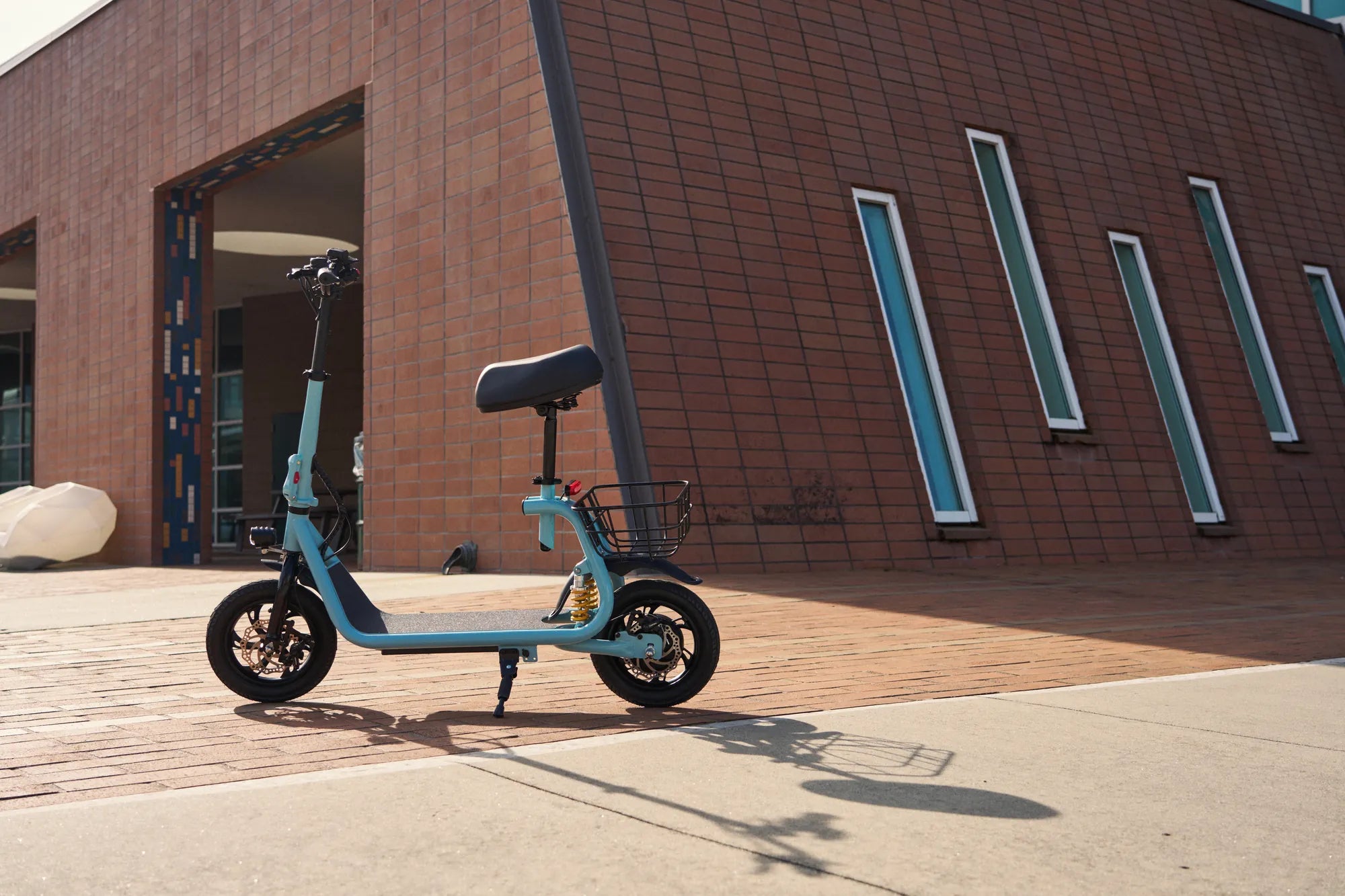
Electric bikes, or e-bikes, are transforming the way people commute, exercise, and explore. Combining the simplicity of traditional cycling with the power of modern technology, e-bikes offer an efficient, eco-friendly, and exhilarating way to get around. Whether you're a daily commuter, a weekend adventurer, or someone looking to reduce their carbon footprint, understanding how e-bikes work can help you make an informed decision about incorporating one into your lifestyle.
What Is an E-Bike?
An e-bike is a bicycle equipped with an electric motor and a battery that assists the rider's pedaling efforts. Unlike motorcycles or scooters, e-bikes still require pedaling, but the motor provides additional power to make riding easier, especially on hills or long distances. E-bikes come in various styles, including city bikes, mountain bikes, and folding bikes, catering to different needs and preferences.
Key Components of an E-Bike
To understand how an e-bike works, it's essential to familiarize yourself with its core components:
- Electric Motor: The motor is the heart of an e-bike, providing pedal assistance. It can be located in the hub of the front or rear wheel or integrated into the bike's drivetrain.
- Battery: The battery powers the motor and is typically rechargeable. Most e-bikes use lithium-ion batteries due to their efficiency and longevity.
- Controller: This component regulates the power flow from the battery to the motor, ensuring smooth and efficient operation.
- Pedal Assist Sensor (PAS): The PAS detects when the rider is pedaling and signals the motor to provide assistance accordingly.
- Display: Many e-bikes feature a display screen that shows information like speed, battery level, and assistance mode.
How Does an E-Bike Work?
E-bikes operate on a simple yet ingenious principle: they amplify the rider's pedaling effort with electric power. Here's a step-by-step breakdown of how they function:
- Pedaling Detection: When you start pedaling, the pedal assist sensor detects your movement and sends a signal to the controller.
- Power Activation: The controller activates the motor, drawing power from the battery to provide assistance based on the selected mode (e.g., eco, standard, or turbo).
- Speed Regulation: The motor assists your pedaling until you reach a certain speed, usually capped at 20-28 mph (depending on local regulations).
- Battery Management: The controller ensures the battery's energy is used efficiently, optimizing range and performance.
Types of E-Bike Motors
E-bike motors come in different configurations, each with its own advantages:
- Hub Motors: These are mounted in the front or rear wheel and are known for their simplicity and affordability.
- Mid-Drive Motors: Positioned near the bike's crankset, these motors offer better weight distribution and efficiency, especially on hilly terrain.
Benefits of Riding an E-Bike
E-bikes offer numerous advantages over traditional bicycles and motorized vehicles:
- Eco-Friendly: E-bikes produce zero emissions, making them a sustainable transportation option.
- Cost-Effective: They require less maintenance and lower operating costs compared to cars or motorcycles.
- Health Benefits: While the motor provides assistance, riders still engage in physical activity, promoting cardiovascular health.
- Convenience: E-bikes make commuting faster and less strenuous, especially in urban areas with traffic congestion.
Common Misconceptions About E-Bikes
Despite their growing popularity, some myths about e-bikes persist:
- "E-bikes are just like scooters": Unlike scooters, e-bikes require pedaling and are classified differently under most laws.
- "They're too heavy": While e-bikes are heavier than traditional bikes, modern designs have made them more manageable.
- "They're only for lazy people": E-bikes encourage more people to cycle by reducing barriers like hills and long distances.
Choosing the Right E-Bike for You
Selecting an e-bike depends on your intended use and preferences:
- Commuting: Look for a lightweight, foldable, or city-style e-bike with a long battery range.
- Off-Roading: Opt for a mountain e-bike with a robust motor and durable frame.
- Leisure Riding: A comfort or hybrid e-bike with adjustable assistance levels is ideal.
E-bikes are more than just a trend—they're a smart, sustainable, and fun way to navigate the modern world. Whether you're looking to cut down on commute time, tackle challenging terrain, or simply enjoy the outdoors with less effort, an e-bike could be the perfect solution. Ready to experience the future of cycling?
Lightest eBike 2025: The Future of Ultra-Lightweight Electric Cycling
Lectric Ebike Price: What You Need to Know Before Buying