

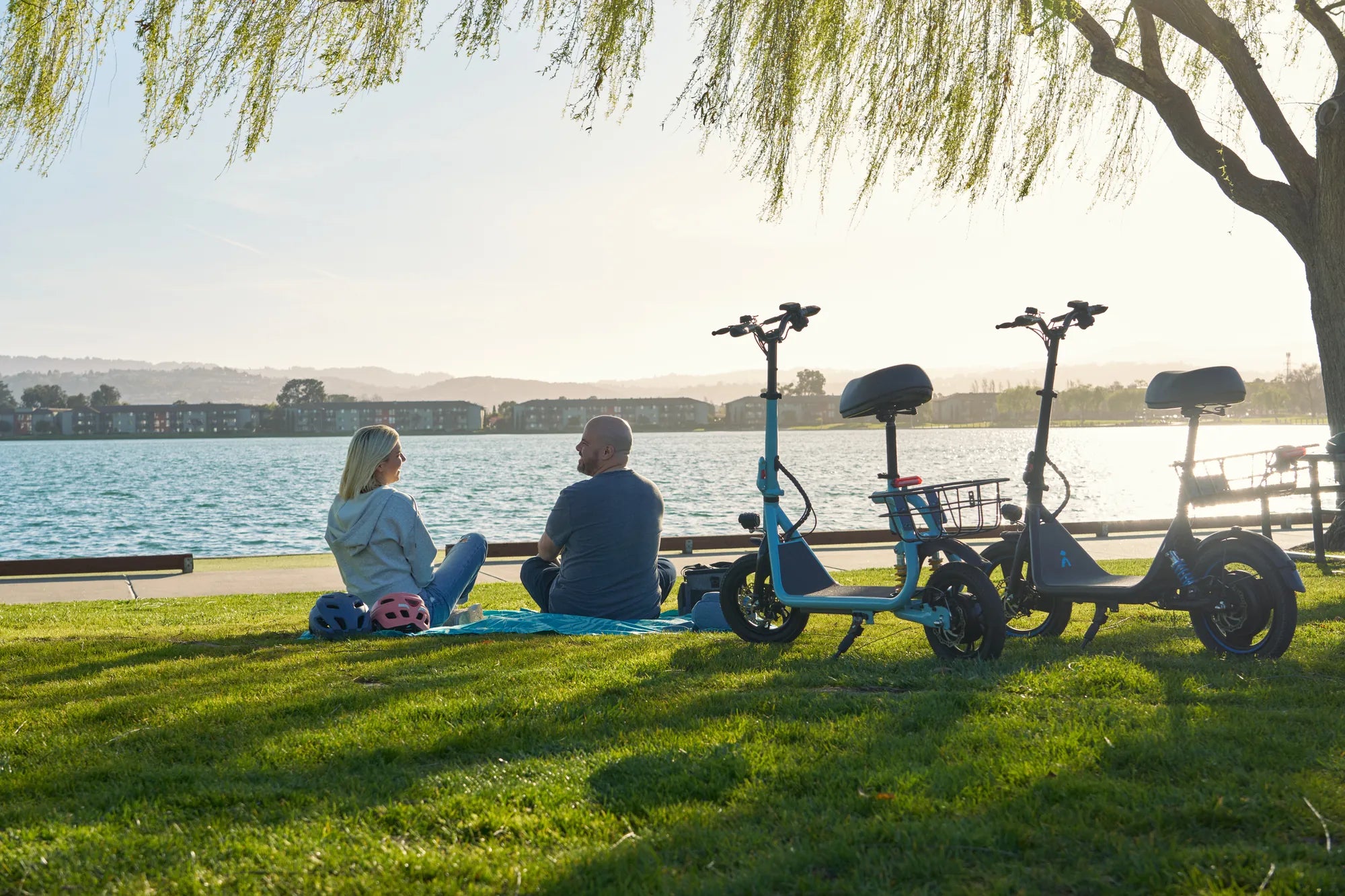
Deciding between an electric bike and a scooter can feel like a tough choice, especially with the growing popularity of both options. Whether you're looking for a fun way to commute, a cost-effective alternative to driving, or just a new way to explore your city, understanding the differences between these two electric-powered rides is key. Let's dive into the details to help you make an informed decision.
Speed and Performance
When it comes to speed, electric scooters generally have the upper hand. Many models can reach speeds of up to 30 mph or more, making them ideal for quick urban commutes. Electric bikes, on the other hand, typically max out at around 20-28 mph, depending on local regulations. However, e-bikes offer better stability and control, especially over longer distances or rough terrain.
Range and Battery Life
Range is a critical factor for many riders. Electric bikes usually have larger batteries, allowing them to travel farther on a single charge—often between 30 to 60 miles. Scooters, while efficient, tend to have smaller batteries, offering ranges of 15 to 30 miles. If you plan on longer rides, an e-bike might be the better choice.
Portability and Storage
Scooters win in the portability department. Most electric scooters are lightweight and foldable, making them easy to carry onto public transportation or store in small spaces. Electric bikes, while some models are foldable, are bulkier and heavier, requiring more storage space. If you need something compact, a scooter could be the way to go.
Comfort and Riding Experience
Electric bikes provide a more comfortable ride, especially for longer trips. With a seat and larger wheels, they absorb shocks better than scooters, which often have smaller wheels and require standing. If comfort is a priority, an e-bike is likely the better option.
Cost and Maintenance
Both electric bikes and scooters vary in price, but scooters are generally cheaper upfront. However, e-bikes often have lower long-term maintenance costs due to their durable design. Scooters may require more frequent repairs, especially if used heavily. Consider your budget and how much you're willing to spend on upkeep.
Legal and Safety Considerations
Laws regarding electric bikes and scooters differ by location. E-bikes are often classified similarly to traditional bicycles, while scooters may face stricter regulations, such as helmet requirements or restricted access to bike lanes. Always check local laws before making a purchase.
Environmental Impact
Both options are eco-friendly compared to cars, but electric bikes have a slight edge. They typically use less energy per mile and have longer lifespans, reducing their overall environmental footprint. If sustainability is a priority, an e-bike might align better with your values.
Versatility and Terrain
Electric bikes excel in versatility. They can handle a variety of terrains, from city streets to off-road trails, thanks to their sturdy frames and larger tires. Scooters are best suited for smooth, paved surfaces and may struggle on uneven or rough terrain.
Health Benefits
While both options require some physical effort, electric bikes offer more opportunities for exercise. Many models allow you to pedal, providing a low-impact workout. Scooters, on the other hand, require minimal physical exertion, making them less beneficial for fitness.
Choosing between an electric bike and a scooter ultimately depends on your lifestyle, budget, and preferences. Whether you prioritize speed, comfort, or portability, both options offer unique advantages. Ready to make your decision? The perfect ride is just a click away!
Best Electric Drift Trike: The Ultimate Guide to High-Speed Fun
Best Electric Drift Trike: The Ultimate Guide to High-Speed Fun