


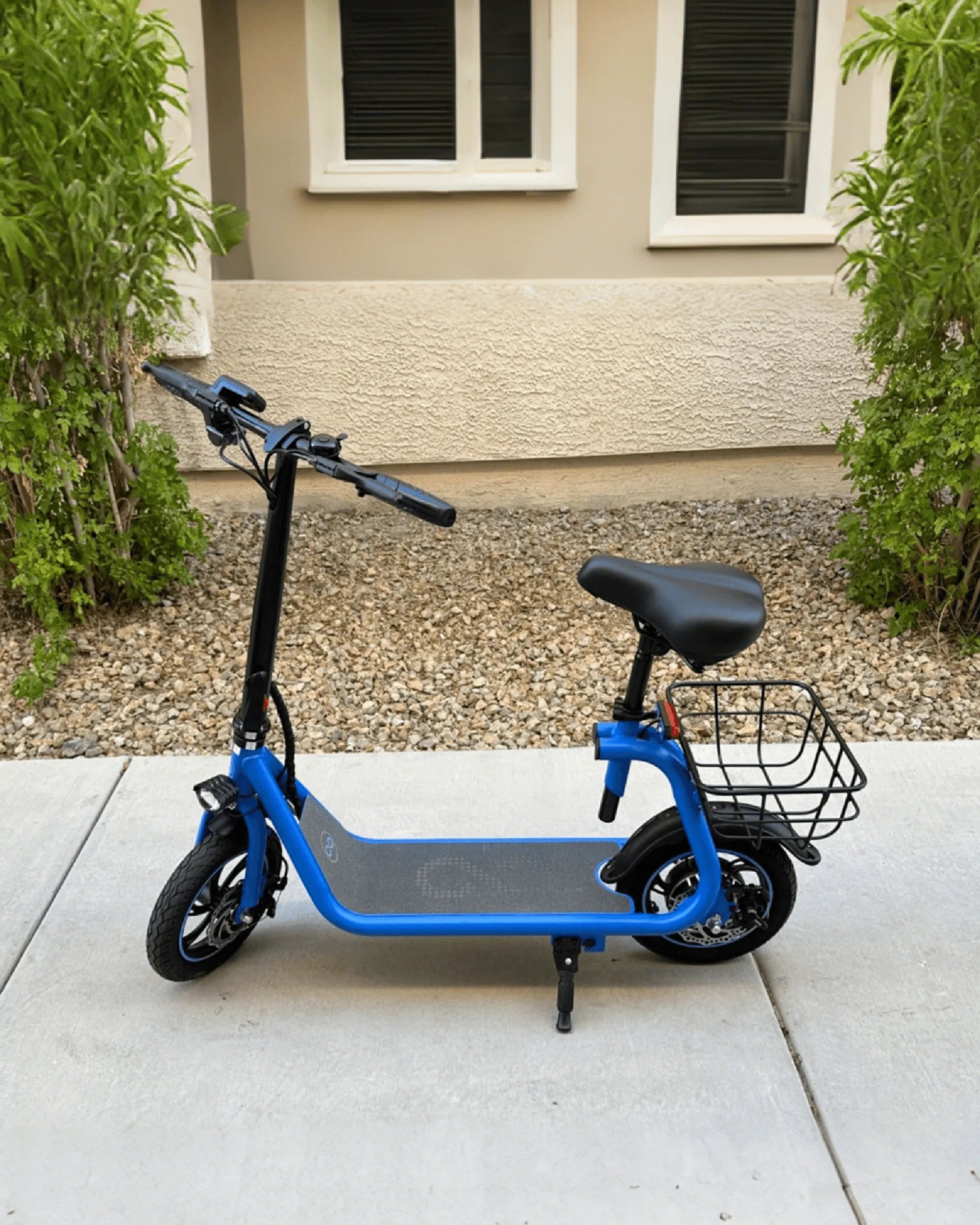
Electric scooters have revolutionized urban mobility, offering a convenient and eco-friendly way to zip through city streets. But just how fast can these modern marvels go? Whether you're a thrill-seeker or a commuter looking to save time, understanding the speed limits of electric scooters is essential. Let's dive into the world of high-speed e-scooters and uncover what makes them tick.
How Fast Can Electric Scooters Go?
The fastest electric scooters on the market today can reach speeds of up to 60 mph (97 km/h) or even higher in some cases. However, most commercially available models are designed for speeds between 15 mph (24 km/h) and 30 mph (48 km/h). The top speed depends on several factors, including motor power, battery capacity, weight limits, and local regulations.
Factors That Influence Electric Scooter Speed
Several key elements determine how fast an electric scooter can go:
- Motor Power: Higher wattage motors (e.g., 1000W or more) deliver greater acceleration and top speeds.
- Battery Capacity: A larger battery provides sustained power, preventing speed drops during rides.
- Weight Capacity: Heavier riders may experience reduced speeds due to increased load on the motor.
- Tire Type: Pneumatic (air-filled) tires offer better traction and stability at high speeds compared to solid tires.
- Terrain: Flat, smooth surfaces allow for maximum speed, while hills and rough terrain slow scooters down.
Safety Considerations for High-Speed Electric Scooters
Riding at top speeds comes with risks, so safety should always be a priority:
- Wear a certified helmet and protective gear (knee pads, elbow pads).
- Check local laws—many regions impose speed limits for electric scooters on public roads.
- Ensure the scooter has reliable brakes (disc or hydraulic brakes are best for high speeds).
- Practice in a controlled environment before attempting maximum speeds.
Legal Speed Limits for Electric Scooters
Most cities and countries regulate electric scooter speeds to ensure public safety. Common limits include:
- 15 mph (24 km/h) on bike lanes and shared paths.
- 20-25 mph (32-40 km/h) on roads in some regions.
- Higher speeds may require special permits or be restricted to private property.
Always verify local regulations before pushing your scooter to its limits.
Can You Modify an Electric Scooter to Go Faster?
Some enthusiasts attempt to modify their scooters for higher speeds by:
- Upgrading the motor or battery.
- Adjusting firmware settings (though this may void warranties).
- Reducing weight by removing non-essential components.
However, modifications can compromise safety and legality, so proceed with caution.
The Future of High-Speed Electric Scooters
As battery and motor technology advances, we can expect even faster and more efficient electric scooters. Innovations like regenerative braking, lightweight materials, and AI-assisted stability control could push speed limits further while maintaining safety.
Ready to experience the thrill of high-speed electric scooters? Whether you're chasing adrenaline or just need a faster commute, understanding speed capabilities helps you make the best choice. Stay safe, obey local laws, and enjoy the ride!
Best Electric Scooter for Heavy Adults 400lbs: Ultimate Guide for Stability and Power
Electric Scooter with Seat and Suspension: The Ultimate Urban Commuter