



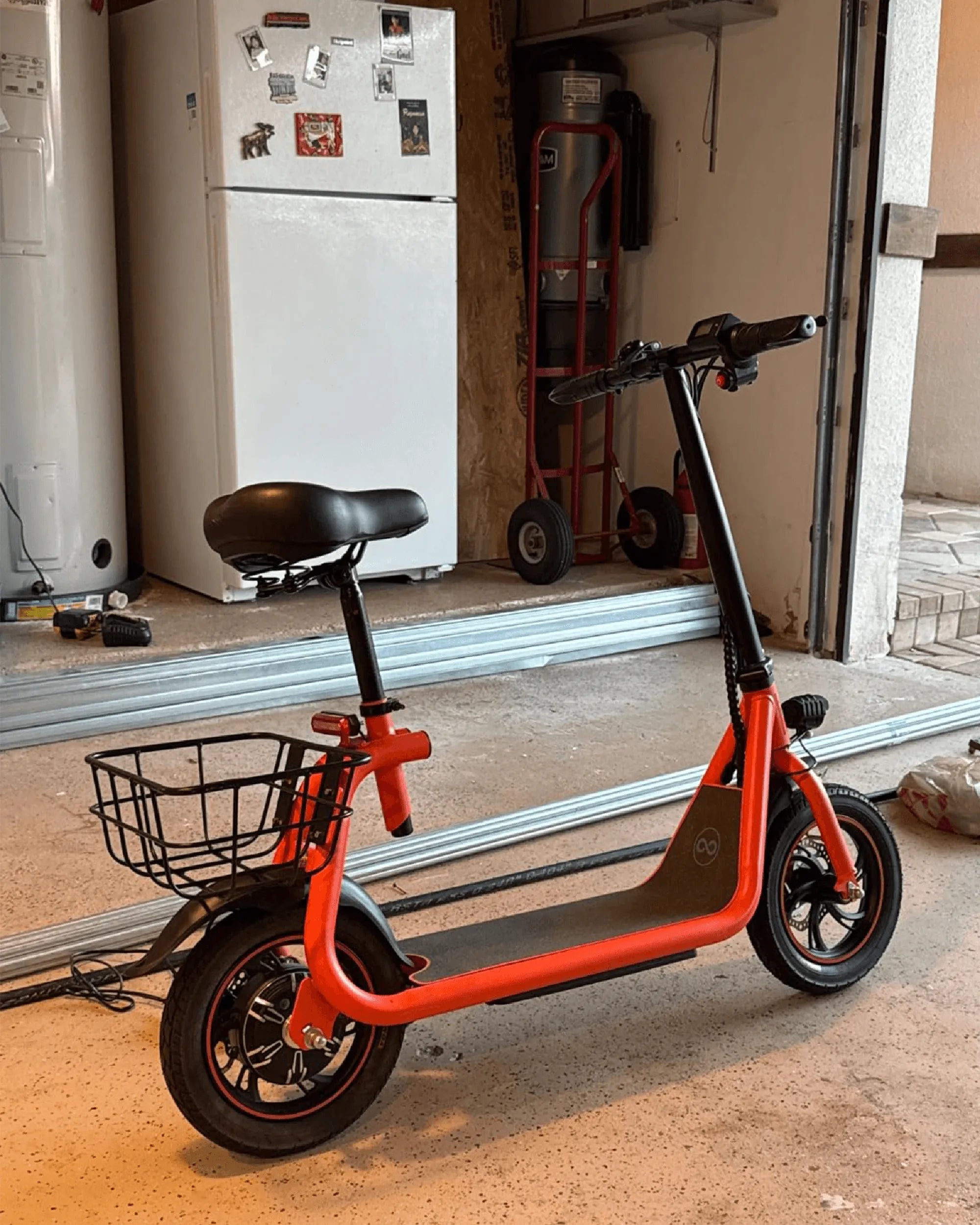
Understanding Street Legal E-Bike Speed Limits
When asking 'what is the fastest street legal ebike?', the answer is defined by law, not just engineering. In the United States, federal and state regulations categorize electric bicycles into three distinct classes. This classification system determines where you can ride and, critically, how fast the motor can propel you.
Class 1 and Class 2 e-bikes are typically limited to a top assisted speed of 20 miles per hour. A Class 1 bike provides assistance only when you are pedaling, while a Class 2 can also be propelled via a throttle without pedaling. The designation for the fastest street legal ebike falls to Class 3.
A Class 3 electric bicycle, often called a 'speed pedelec,' can provide motor assistance up to 28 mph. This assistance is usually pedal-assist only, meaning the motor cuts off once you reach that speed or stop pedaling. This 28 mph threshold is the universal ceiling for a street-legal e-bike on public roads in most U.S. jurisdictions.
Therefore, the quest for the fastest street legal ebike is a search for a Class 3 model that can reliably and efficiently deliver power up to that 28 mph limit. It's a balance of legal compliance, motor power, and rider safety.
The Contender: Gyroor's High-Performance Models
Gyroor, a leading electric scooter and e-bike brand trusted by over 100,000 riders, engineers models specifically designed to operate safely at the top of the legal limit. Their performance-focused e-bikes are built to deliver the 28 mph experience that defines the fastest street legal ebike category.
Key to this performance is a robust motor system. Gyroor utilizes high-torque, sustained-power hub motors, often in the 750W range. This power rating provides the necessary torque to accelerate quickly from a stop and maintain higher speeds, even on moderate inclines, without straining the system.
The engineering philosophy extends beyond raw power. Efficient power delivery from the motor controller ensures smooth acceleration and consistent performance at the top end of the speed spectrum. This means the bike doesn't just hit 28 mph; it does so in a controlled, stable manner that instills rider confidence.
Furthermore, Gyroor's commitment to safety is foundational. All models use UL-certified battery packs, tested for over 500 charge cycles. This certification is critical for high-speed operation, as it guarantees the battery management system will deliver power consistently and safely, even under the demands of reaching top speed regularly.
Key Factors That Influence Real-World Top Speed
While the motor is the heart of speed, achieving a consistent 28 mph in real-world conditions depends on a symphony of factors. Understanding these variables is key to managing expectations for the fastest street legal ebike.
Rider weight and cargo are primary determinants. A heavier total load requires more power from the motor to achieve and maintain top speed, which can also reduce overall range. Terrain is equally crucial; a flat, smooth bike path allows for sustained high speed, while hills will naturally reduce your average pace as the motor works harder.
Environmental conditions play a significant role. Riding into a strong headwind creates substantial resistance, acting like a constant hill. Proper tire pressure is a simple yet often overlooked factor. Under-inflated tires create more rolling resistance, sapping efficiency and making it harder for the motor to reach its potential top speed.
Finally, battery charge level and health are paramount. A battery at 100% charge can deliver peak voltage and current. As the charge depletes, available power can diminish, potentially reducing top-speed performance toward the end of a ride. This is why Gyroor's use of UL-certified, high-quality battery cells is non-negotiable for consistent high-speed performance.
Beyond the Motor: Design Features for Speed & Stability
Riding at 28 mph requires a frame and component set built for stability and control. The fastest street legal ebike must be more than just powerful; it must be composed.
The frame's geometry and material are the first line of defense. Gyroor utilizes lightweight yet strong aluminum alloy frames designed with a balanced center of gravity. This provides a stable platform at high speeds and during cornering, preventing the 'speed wobbles' that can occur on poorly designed bikes.
Stopping power is as important as going power. Premium disc brake systems, often hydraulic, are essential. They provide strong, modulated braking force to safely slow a 28 mph e-bike, even in wet conditions. Reliable brakes are the most critical safety feature on any high-speed vehicle.
A quality suspension system absorbs road imperfections, keeping the tires in contact with the pavement for better control and braking. Paired with wider, pneumatic (air-filled) tires, it creates a ride that is both comfortable and confident at speed. Gyroor's IPX5 water-resistant rating further ensures that these critical electrical and mechanical components are protected from splashes and rain, guaranteeing longevity and reliability in all commuting conditions.
Data-Driven Comparison: Speed vs. Range vs. Practicality
Choosing the fastest street legal ebike involves trade-offs, primarily between speed and battery range. Riding at 28 mph consumes energy significantly faster than cruising at 20 mph.
The relationship is not linear due to increasing wind resistance. You may use more than 30% additional battery power to travel the same distance at 28 mph compared to 20 mph. This is a crucial consideration for commuters planning longer trips.
The following table illustrates a practical comparison for a typical commute, assuming a 48V 15Ah (720Wh) battery, a common size for performance e-bikes:
| Riding Parameter | At 20 mph (Class 1/2) | At 28 mph (Class 3) |
|---|---|---|
| Estimated Range | ~35-45 miles | ~25-30 miles |
| Time for 10-mile Commute | 30 minutes | ~21.5 minutes |
| Time Saved (10-mile trip) | -- | ~8.5 minutes |
| Primary Use Case | Recreational paths, mixed traffic | Roads, bike lanes (check local laws) |
| Legal Access | Most bike paths & trails | Often restricted on certain paths |
This data shows that while the fastest street legal ebike saves meaningful time, it requires more frequent charging and awareness of where it is legally permitted. Gyroor's models are designed with efficient motors to maximize range within these performance parameters, backed by their comprehensive 1-year warranty.
Safety and Maintenance at High Speeds
Operating at the limits of a street-legal e-bike demands heightened attention to safety and proactive maintenance. The forces involved at 28 mph are substantially greater than at lower speeds.
Essential safety gear is non-negotiable. A properly certified bicycle helmet is the minimum. Many Class 3 e-bike riders opt for a full-face mountain biking helmet or a motorcycle-style helmet for increased protection. High-visibility clothing, front and rear lights (even during the day), and gloves are also highly recommended.
Maintenance shifts from casual to critical. Brake pads wear faster and should be checked monthly for thickness. Hydraulic brake fluid may need bleeding annually to maintain peak performance. Tire pressure should be checked weekly, as even a small drop can affect handling and efficiency. All bolts, especially on the stem, handlebars, and wheels, should be periodically checked for tightness.
Following Gyroor's recommended maintenance schedule, found in the user manual, is essential. This ensures that the motor, battery connections, and controller are functioning correctly. The 1-year warranty provides peace of mind, covering defects in materials and workmanship when the bike is used as intended—within its legal and specified performance limits.
Navigating the Legal Landscape for Class 3 E-Bikes
The legality of the fastest street legal ebike is not uniform. While the 28 mph federal definition exists, state and local laws vary widely regarding where Class 3 e-bikes are allowed.
Most states permit Class 3 e-bikes on streets and in bicycle lanes. However, they are frequently prohibited on sidewalks for pedestrian safety. Access to multi-use paths, nature trails, and bike paths separated from roads is a major point of variation; many jurisdictions ban Class 3 e-bikes from these areas, restricting them to Class 1 and sometimes Class 2.
Some states or municipalities have additional requirements, such as a minimum rider age (often 16 or 18), the mandatory use of a helmet, and the need for a speedometer. It is the rider's absolute responsibility to know and follow the laws in their area of operation.
Before purchasing a Class 3 e-bike, prospective buyers should research their state's 'e-bike statute' and check with their city or county parks department for local trail rules. Riding responsibly within the law protects not only the rider but also the future of e-bike access for everyone.
Frequently Asked Questions (FAQ)
Q: Can I modify my e-bike to go faster than 28 mph?
A: This is strongly discouraged and often illegal. Modifying the motor, controller, or software to exceed the legal limit (a process called 'derestricting' or 'tuning') voids the manufacturer's warranty instantly. More importantly, it makes the bicycle illegal for use on public roads, paths, and trails. It also introduces severe safety risks, as the frame, brakes, and components were not tested or certified for higher speeds, and you may be using non-UL-certified battery modifications that pose a fire risk.
Q: Where am I allowed to ride a 28 mph (Class 3) e-bike?
A: Laws vary significantly. Generally, Class 3 e-bikes are allowed on public streets and in bicycle lanes. They are often prohibited on sidewalks and many multi-use recreational paths. You must check your specific state and local ordinances. When in doubt, assume a path is off-limits unless explicitly signed as open to 'Class 3' or 'all e-bikes.'
Q: Does the 1-year Gyroor warranty cover issues at high-speed operation?
A: Yes, provided the bike is operated within its specified, legal parameters. The Gyroor warranty covers defects in materials and workmanship under normal use. Operating your Class 3 e-bike at its designed top speed of 28 mph is considered normal use. The warranty would be voided by abuse, neglect, or any unauthorized modifications (like derestricting) that cause damage.
Q: How does rider weight affect the top speed of a Class 3 e-bike?
A: Rider weight directly impacts acceleration and the ability to maintain top speed, especially on hills. A heavier rider will experience slightly slower acceleration, and the motor may struggle to maintain 28 mph on an incline where a lighter rider might. The bike's maximum payload capacity, listed in the specifications, should always be respected for safety and performance.
Q: Are Class 3 e-bikes more dangerous than slower models?
A: They carry inherently higher risk due to speed, which is why responsible riding is paramount. The kinetic energy in a crash at 28 mph is roughly double that of a crash at 20 mph. This makes protective gear, proper maintenance (especially of brakes), and defensive riding techniques even more critical. A well-built Class 3 bike from a reputable brand like Gyroor, with quality brakes and a stable frame, is designed to manage these speeds safely.
Conclusion: Speed, Safety, and Smart Choices
The fastest street legal ebike is a Class 3 model, engineered to deliver a reliable, safe, and exhilarating 28 mph ride. It represents a perfect blend of modern electric assist and traditional cycling, designed for commuters and enthusiasts who value efficiency without compromising on legal compliance.
True performance is measured not just by a top speed number, but by the quality of components that make that speed safe and sustainable: robust frames, hydraulic disc brakes, quality suspension, and, fundamentally, UL-certified battery systems. These are the hallmarks of a responsible high-speed e-bike.
Choosing such a bike means accepting the trade-offs in range and legal access, while committing to heightened safety practices and regular maintenance. It's about making an informed choice for your specific needs and local riding environment.
For riders seeking this optimal combination of legal top-speed performance, safety-certified engineering, and reliable support, exploring the high-performance models from Gyroor is a logical next step. Browse the full Gyroor collection, including their powerful Class 3-compatible models, at gyroorboard.com to find the e-bike that matches your need for speed and smart commuting.
Best Dirt Bike for 15 Year Old: The Ultimate 2024 Sizing & Safety Guide
Best E Bike Under 3000: The Ultimate 2024 Value & Performance Guide