

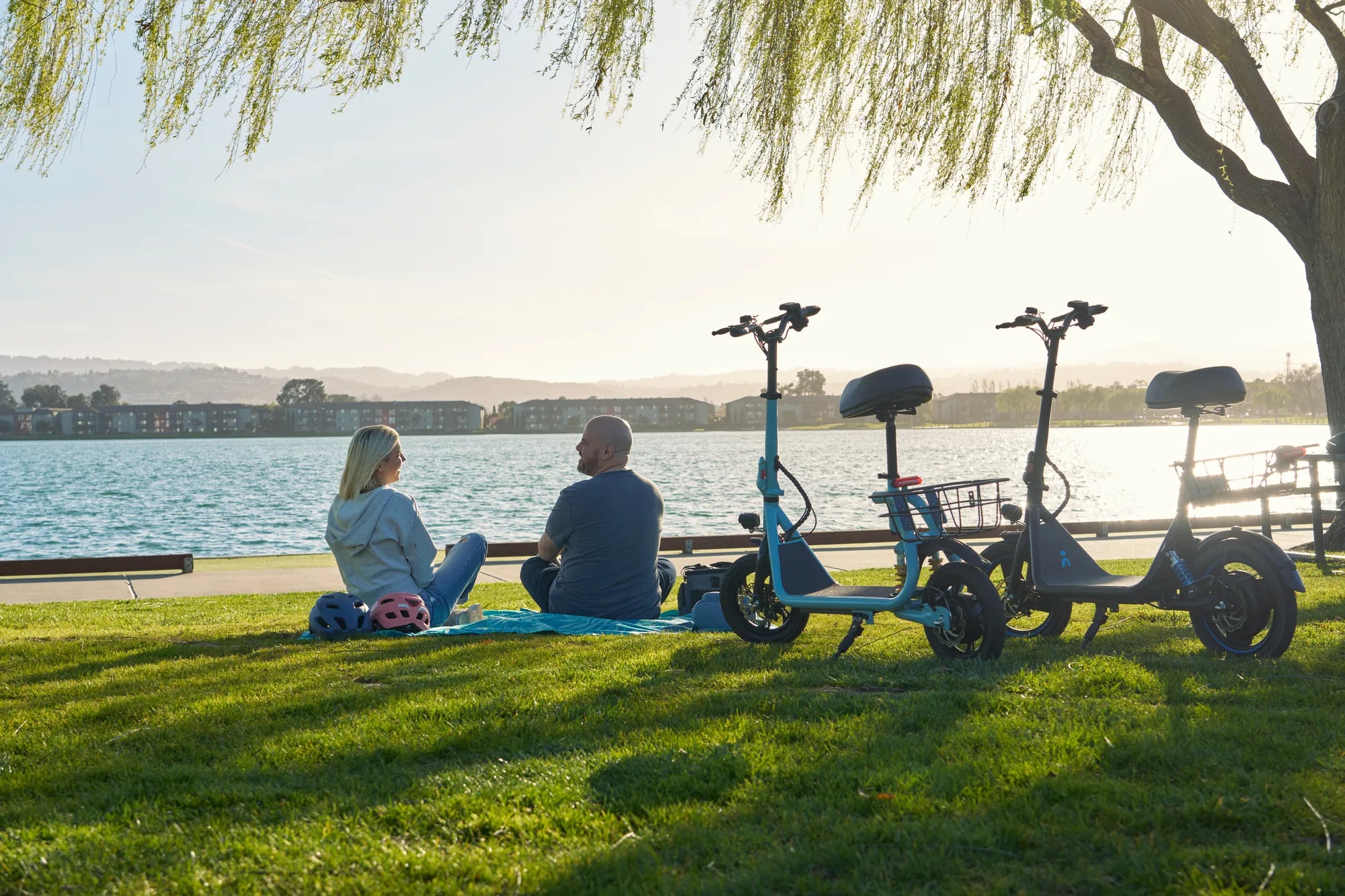
Imagine gliding through city streets or winding mountain trails on an electric bike so light it feels like riding a feather. The quest for the lightest ebike is reshaping the way we think about urban mobility and outdoor exploration. With advancements in materials and battery technology, manufacturers are pushing the boundaries to create ebikes that are not only efficient but also incredibly portable. Whether you're a daily commuter or an adventure seeker, the lightest ebikes offer a game-changing blend of convenience and performance.
The Evolution of Lightweight Ebikes
Electric bikes have come a long way since their inception. Early models were often bulky and heavy, making them impractical for many riders. Today, the focus has shifted toward creating lightweight designs that don't compromise on power or durability. Innovations in frame materials, such as carbon fiber and advanced aluminum alloys, have played a crucial role in reducing weight while maintaining structural integrity. Additionally, compact and high-energy-density batteries have made it possible to shed pounds without sacrificing range.
Why Lightweight Matters
The weight of an ebike significantly impacts its usability. A lighter bike is easier to maneuver, especially in crowded urban environments where quick turns and stops are common. It also simplifies storage, whether you're carrying it up a flight of stairs or fitting it into a small apartment. For outdoor enthusiasts, a lightweight ebike means less strain during uphill climbs and more agility on technical trails. The reduced weight also translates to better energy efficiency, allowing the battery to last longer on a single charge.
Key Features of the Lightest Ebikes
When searching for the lightest ebike, several features stand out. First, the frame design is critical—look for models that use high-quality, lightweight materials without compromising strength. Second, the motor and battery system should be compact yet powerful enough to deliver a smooth ride. Many ultra-light ebikes feature mid-drive motors, which distribute weight evenly and improve balance. Finally, consider the overall build: components like tires, handlebars, and seats should also contribute to the bike's lightweight profile.
Challenges in Designing Lightweight Ebikes
Creating an ebike that is both light and functional is no easy feat. Engineers must balance weight reduction with performance, ensuring the bike can handle daily wear and tear. Battery technology remains a hurdle, as lighter batteries often mean shorter ranges. However, rapid advancements in lithium-ion and solid-state batteries are promising solutions. Another challenge is cost—lightweight materials and cutting-edge components can drive up the price, making these bikes a premium option for many consumers.
The Future of Lightweight Ebikes
The demand for lightweight ebikes is only expected to grow as more people seek eco-friendly and efficient transportation options. Future innovations may include even lighter materials, such as graphene, and more efficient motor systems that further reduce weight without sacrificing power. As cities become more bike-friendly, the lightest ebikes will likely play a pivotal role in shaping the future of urban mobility. Whether for commuting or recreation, these bikes offer a glimpse into a faster, lighter, and more sustainable way to get around.
Ready to experience the freedom of riding the lightest ebike? With their unmatched portability and performance, these bikes are transforming the way we move. Don't miss out on the revolution—find the perfect lightweight ebike for your lifestyle today.
750cc Scooter: The Ultimate Guide to Power, Comfort, and Style
Cheap Trike Motorcycles: Affordable Three-Wheeled Freedom on a Budget