

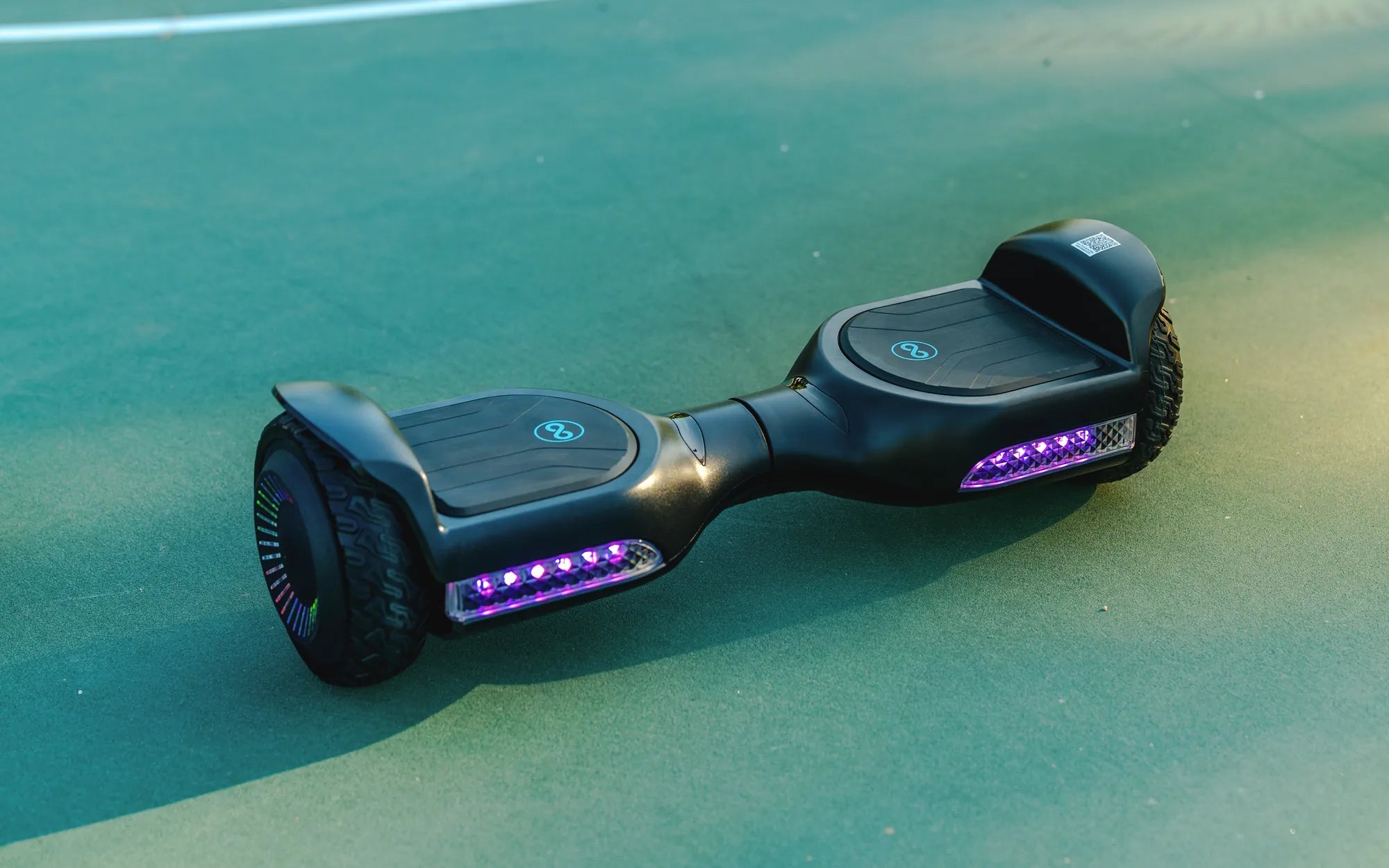
Hoverboards have taken the world by storm, offering a fun and futuristic way to get around. But have you ever wondered what powers these sleek, self-balancing scooters? The answer lies in their batteries. Understanding what kind of battery a hoverboard uses is crucial for performance, safety, and longevity. Let’s dive into the details.
Types of Batteries Used in Hoverboards
Most hoverboards rely on one of two types of batteries: lithium-ion (Li-ion) or lithium-polymer (LiPo). Both are rechargeable and offer unique advantages, but they also come with their own set of challenges.
Lithium-Ion (Li-ion) Batteries
Lithium-ion batteries are the most common choice for hoverboards. They are lightweight, have a high energy density, and provide a long lifespan. These batteries can hold a charge for extended periods, making them ideal for frequent riders.
- Pros: High energy density, lightweight, long cycle life.
- Cons: Can overheat if not properly managed, sensitive to extreme temperatures.
Lithium-Polymer (LiPo) Batteries
Lithium-polymer batteries are another popular option. They are more flexible in shape and size, allowing for sleeker hoverboard designs. LiPo batteries are also less prone to leakage, making them a safer choice in some cases.
- Pros: Flexible design, lightweight, less prone to leakage.
- Cons: Shorter lifespan, more expensive, requires careful handling.
Key Factors to Consider When Choosing a Hoverboard Battery
When selecting a hoverboard, it’s essential to consider the battery’s specifications. Here are the most critical factors:
Battery Capacity
Measured in watt-hours (Wh) or ampere-hours (Ah), battery capacity determines how long your hoverboard can run on a single charge. Higher capacity means longer ride times but may also increase the weight and cost.
Voltage
Most hoverboards use batteries with voltages ranging from 36V to 42V. Higher voltage generally translates to better performance, especially on inclines and rough terrain.
Charging Time
A good hoverboard battery should charge fully in 2-4 hours. Faster charging times are convenient, but they may reduce the battery’s overall lifespan if not managed properly.
Safety Tips for Hoverboard Batteries
Hoverboard batteries, especially lithium-based ones, require proper care to prevent accidents. Follow these safety tips to ensure a smooth and secure ride:
- Always use the manufacturer-provided charger.
- Avoid overcharging or leaving the battery plugged in overnight.
- Store your hoverboard in a cool, dry place away from direct sunlight.
- Inspect the battery regularly for signs of damage or swelling.
Extending the Lifespan of Your Hoverboard Battery
To get the most out of your hoverboard battery, follow these best practices:
- Charge the battery before it fully drains.
- Avoid exposing the hoverboard to extreme temperatures.
- Use the hoverboard regularly to keep the battery active.
- Store the hoverboard with a partial charge if not in use for extended periods.
The Future of Hoverboard Batteries
As technology advances, we can expect hoverboard batteries to become even more efficient and safer. Innovations like solid-state batteries and improved energy storage solutions are on the horizon, promising longer ride times and faster charging.
Whether you’re a casual rider or a hoverboard enthusiast, understanding the battery that powers your device is key to maximizing its potential. With the right care and knowledge, you can enjoy countless hours of smooth, worry-free gliding.
How to Take Apart a Hoverboard Wheel: A Step-by-Step Guide
How to Fix an Unbalanced Hoverboard: A Step-by-Step Guide