



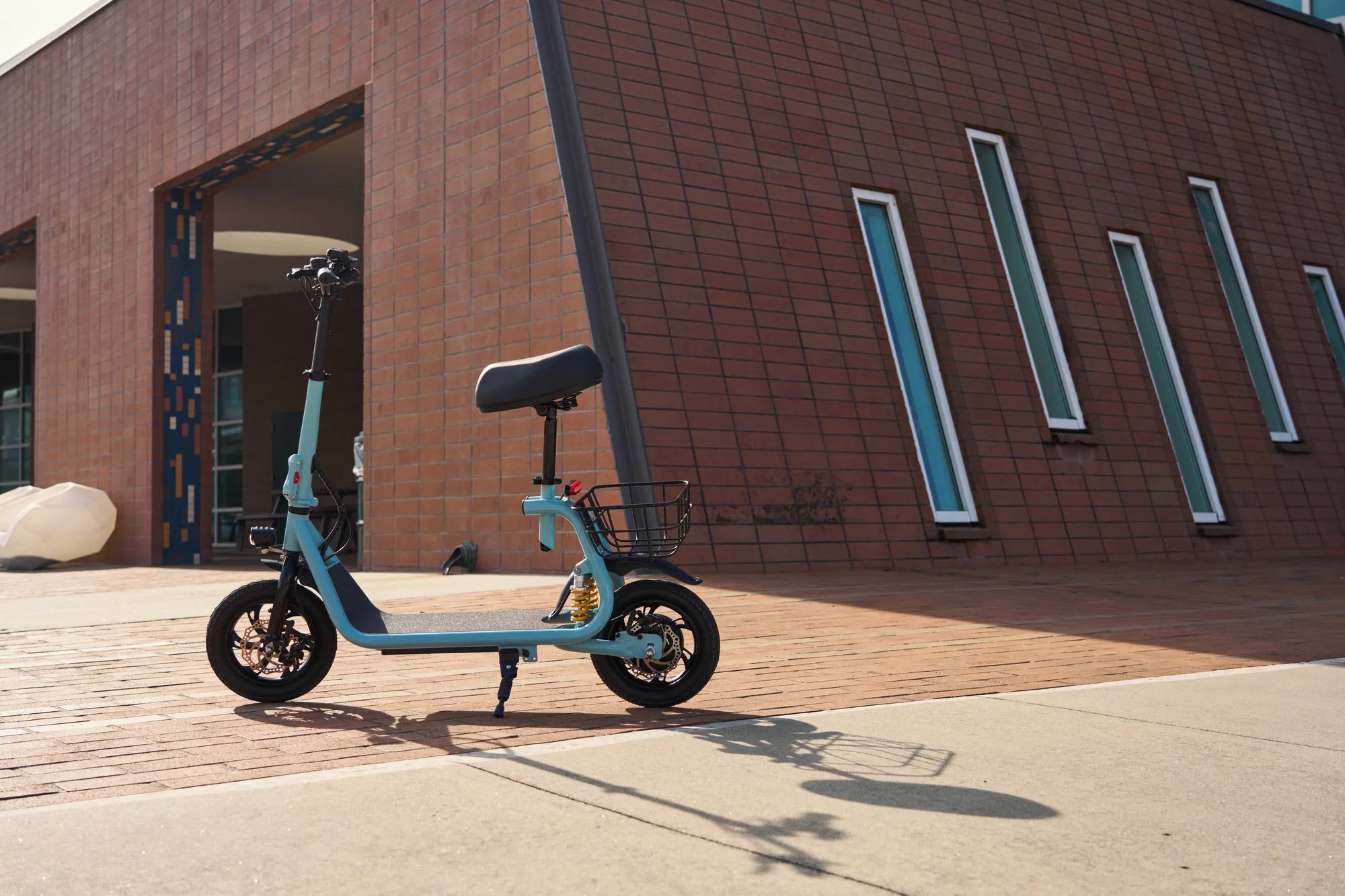
Electric scooters have become a popular mode of transportation, offering convenience and eco-friendliness. But one critical question often arises: what kind of charger does an electric scooter use? Understanding the right charger for your scooter is vital for performance, safety, and battery life. Let’s dive into the details to ensure you never get stranded with a dead battery.
Types of Electric Scooter Chargers
Electric scooters typically use one of three main types of chargers:
- Standard Chargers: These are the most common and come included with most scooters. They usually provide a steady charge at a moderate rate.
- Fast Chargers: Designed for quicker charging, these reduce downtime but may generate more heat, potentially affecting battery longevity.
- Smart Chargers: These chargers adjust the charging rate based on battery conditions, optimizing both speed and safety.
Voltage and Amperage Requirements
Matching the charger to your scooter’s voltage and amperage is crucial. Most electric scooters operate on:
- 36V, 48V, or 52V systems for standard models.
- Higher voltages (60V+) for performance-oriented scooters.
Using a charger with incorrect voltage can damage the battery or even pose safety risks. Always check your scooter’s manual for specifications.
Connector Types and Compatibility
Chargers use different connector types, such as:
- Barrel Connectors: Common in many budget and mid-range scooters.
- XLR Connectors: Often found in higher-end models for a more secure connection.
- Proprietary Connectors: Some brands use unique designs, requiring specific chargers.
Ensure the charger’s plug matches your scooter’s port to avoid compatibility issues.
Charging Best Practices
To maximize battery life and efficiency:
- Avoid overcharging: Unplug once fully charged to prevent stress on the battery.
- Use the right charger: Stick to the manufacturer-recommended model.
- Charge in a cool, dry place: Extreme temperatures can harm battery health.
Safety Considerations
Electric scooter chargers should meet safety standards to prevent hazards like overheating or short circuits. Look for certifications such as:
- UL Certification (U.S. standards)
- CE Marking (European standards)
Never use damaged chargers or expose them to water.
Portable Charging Solutions
For riders on the go, portable chargers or power banks can be a lifesaver. These compact devices allow you to recharge your scooter away from traditional outlets, though they may offer slower charging speeds.
Extending Battery Lifespan
Proper charging habits can significantly extend your scooter’s battery life. Avoid deep discharges and store the scooter with a partially charged battery if unused for long periods.
Now that you know what kind of charger an electric scooter uses, you’re equipped to keep your ride powered up safely and efficiently. Whether you’re commuting daily or exploring the city, the right charger ensures you’re always ready to go!
E Scooter Tour: The Ultimate Guide to Exploring Cities on Two Wheels
Modded E Scooter: The Ultimate Guide to Customization and Performance