


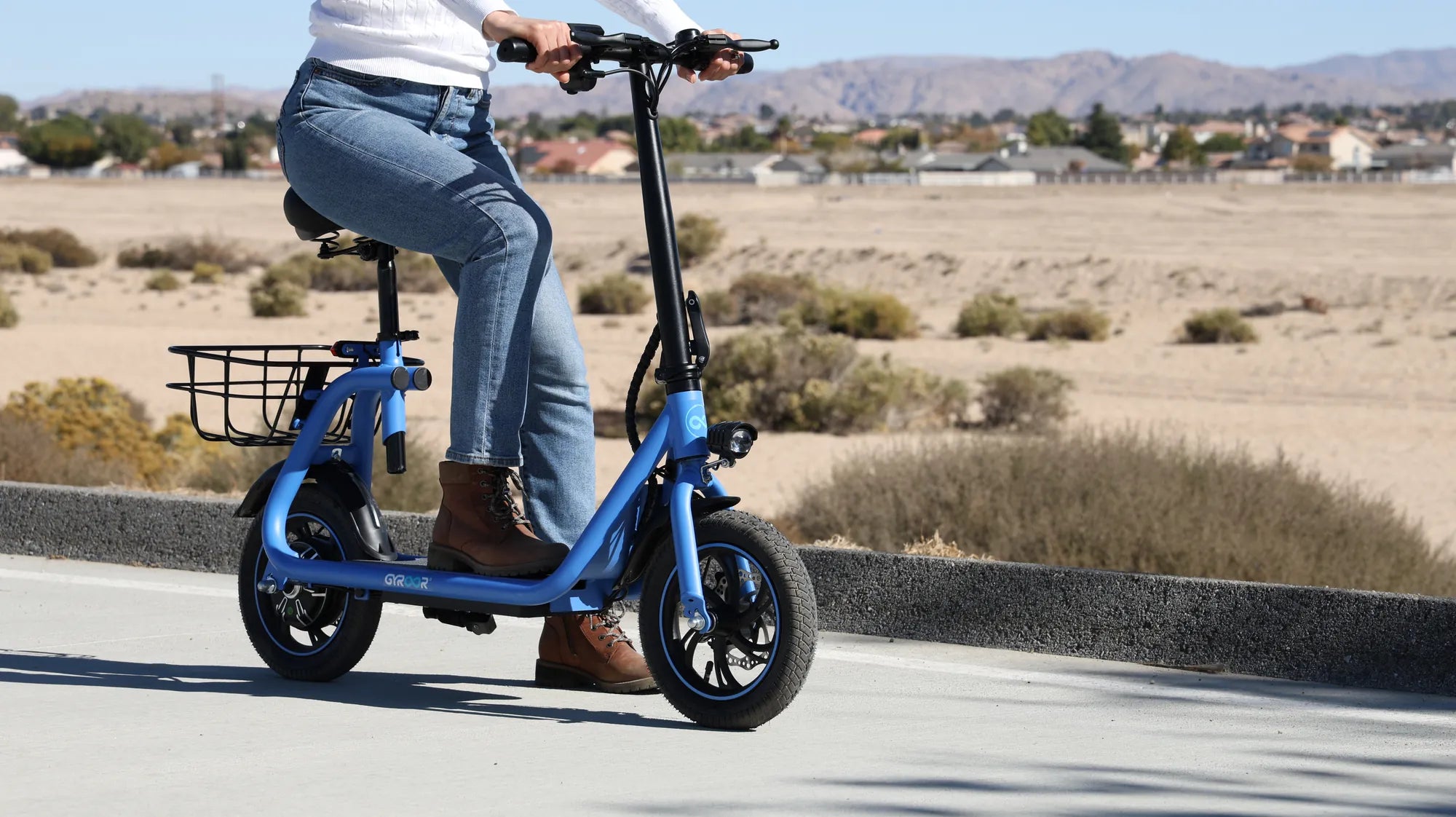
Electric bikes are revolutionizing urban transportation, offering an eco-friendly and efficient way to navigate city streets. But before you hit the road, it's crucial to understand what makes an electric bike street legal. Compliance with local regulations ensures your safety and avoids potential fines. Let's dive into the key factors that determine whether your e-bike is road-ready.
Motor Power and Classification
One of the most critical aspects of street legality is the motor's power output. Most regions classify electric bikes into three categories based on motor wattage:
- Class 1: Pedal-assist only, with no throttle, and a motor capped at 750 watts (1 horsepower).
- Class 2: Throttle-assisted, with a motor limited to 750 watts.
- Class 3: Pedal-assist only, with a maximum speed of 28 mph and a 750-watt motor.
Exceeding these limits may reclassify your e-bike as a motor vehicle, requiring registration, insurance, and a license.
Speed Restrictions
Speed plays a significant role in determining an e-bike's legality. Most jurisdictions impose the following limits:
- 20 mph: The standard limit for throttle-assisted e-bikes (Class 2).
- 28 mph: The maximum speed for pedal-assist e-bikes (Class 3) on public roads.
Some areas may have lower speed limits, so always check local regulations. Speed governors or limiters are often required to ensure compliance.
Safety Features
Street-legal electric bikes must include specific safety components:
- Lights: Front white light and rear red light for visibility at night.
- Reflectors: Side and rear reflectors to enhance visibility.
- Brakes: Reliable braking systems, often requiring front and rear brakes.
- Audible Signal: A bell or horn to alert pedestrians and other cyclists.
These features not only keep you safe but also ensure compliance with traffic laws.
Age and Licensing Requirements
While many regions don't require a license for Class 1 and 2 e-bikes, some areas impose age restrictions:
- 16+: Common minimum age for operating an e-bike.
- Helmet Laws: Mandatory helmet use for riders under 18 or for all e-bike riders, depending on local laws.
Class 3 e-bikes may have stricter requirements, such as a driver's license or special permit in certain areas.
Local Regulations and Variations
E-bike laws vary widely by country, state, and even city. Key considerations include:
- Bike Path Access: Some areas restrict e-bikes from bike paths or trails.
- Registration: Certain jurisdictions require e-bike registration or insurance.
- Modifications: Aftermarket modifications may void street legality.
Always research local laws before riding to avoid penalties.
Why Compliance Matters
Riding a non-compliant e-bike can result in:
- Fines or impoundment of your bike.
- Voided warranties or insurance claims.
- Increased liability in accidents.
Sticking to legal specifications ensures a smooth and trouble-free riding experience.
Ready to enjoy the freedom of an electric bike? By understanding and adhering to street legal requirements, you can ride with confidence, knowing you're compliant with the law. Whether you're commuting or exploring, a legal e-bike offers endless possibilities without the hassle of paperwork or restrictions. Happy riding!
How to Fix Brakes on Electric Bike: A Step-by-Step Guide
How to Refill E Scooter Tire: A Step-by-Step Guide for Smooth Rides