


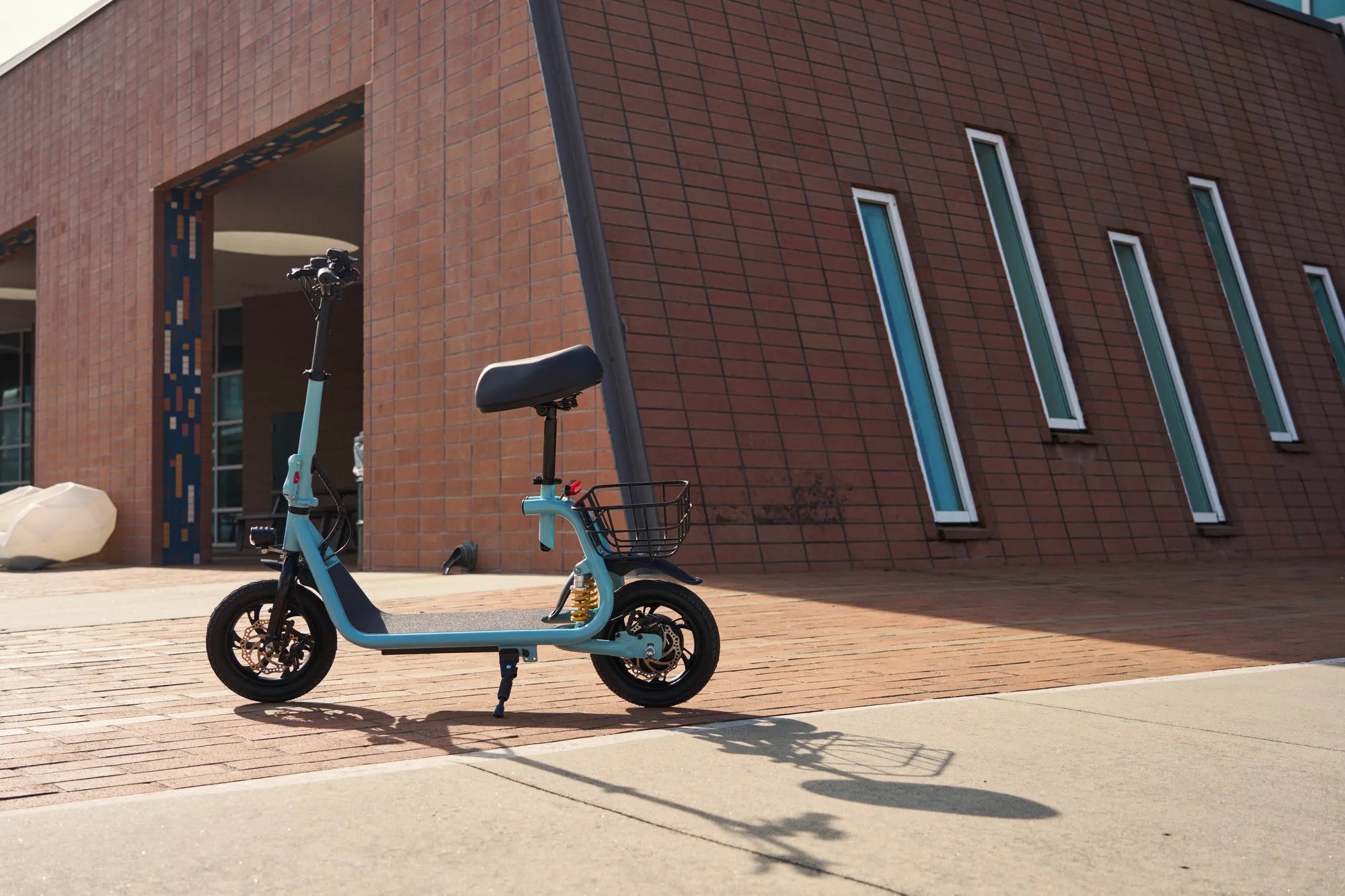
Electric scooters have surged in popularity as a convenient and eco-friendly mode of urban transportation. But one question often sparks debate among riders and manufacturers alike: what side should controls for electric scooters be on? The answer isn't as straightforward as you might think, and it involves considerations ranging from ergonomics to legal regulations. Let's dive into the details to help you understand the best practices for control placement.
The Importance of Control Placement
Where the controls are positioned on an electric scooter can significantly impact the rider's experience. Poorly placed controls can lead to discomfort, reduced reaction times, and even accidents. Here’s why it matters:
- Safety: Controls should be easily accessible to minimize distractions while riding.
- Ergonomics: Natural hand positioning reduces fatigue and improves control.
- Usability: Intuitive placement ensures a smoother learning curve for new riders.
Left vs. Right: Which Side Is Better?
The debate over whether electric scooter controls should be on the left or right side often comes down to regional preferences and rider habits. Here’s a breakdown of both options:
Left-Side Controls
In many countries, especially those with right-hand traffic, placing controls on the left side is common. This allows the rider to keep their dominant hand (often the right) free for steering and balance. Benefits include:
- Easier access to brakes and throttle for right-handed riders.
- Consistency with bicycle controls, which many riders are already familiar with.
- Reduced risk of accidental activation when using the right hand for gestures or signals.
Right-Side Controls
Some riders and manufacturers prefer right-side controls, particularly in regions with left-hand traffic. Advantages of this setup include:
- Better alignment with the dominant hand for left-handed riders.
- Potential compatibility with motorcycle-style controls, which some riders find more intuitive.
- Fewer conflicts with accessories mounted on the left side, such as lights or phone holders.
Legal and Safety Considerations
Local regulations may influence control placement. For example, some jurisdictions require specific configurations to ensure road safety. Always check your area’s laws before purchasing or modifying an electric scooter. Key factors to consider:
- Traffic flow (left-hand or right-hand driving).
- Standardized control layouts for consistency among riders.
- Accessibility requirements for riders with disabilities.
User Preferences and Customization
Ultimately, the best side for controls depends on personal preference. Many modern electric scooters offer customizable or ambidextrous setups to cater to different needs. Here’s what riders should consider:
- Test ride scooters with different control layouts to find the most comfortable option.
- Look for models with adjustable handlebars or control panels.
- Consider aftermarket modifications if the default setup doesn’t suit your needs.
Final Thoughts
Whether you’re a daily commuter or a casual rider, the placement of electric scooter controls plays a crucial role in your overall experience. By understanding the pros and cons of left vs. right-side setups, you can make an informed decision that enhances safety, comfort, and performance. Ready to hit the road with confidence? The right control placement might just be the game-changer you’ve been looking for.
Electric Scooter Not Charging Fix: Troubleshooting and Solutions
Best Cheap Electric Dirt Bike: Top Picks for Budget-Friendly Off-Roading