



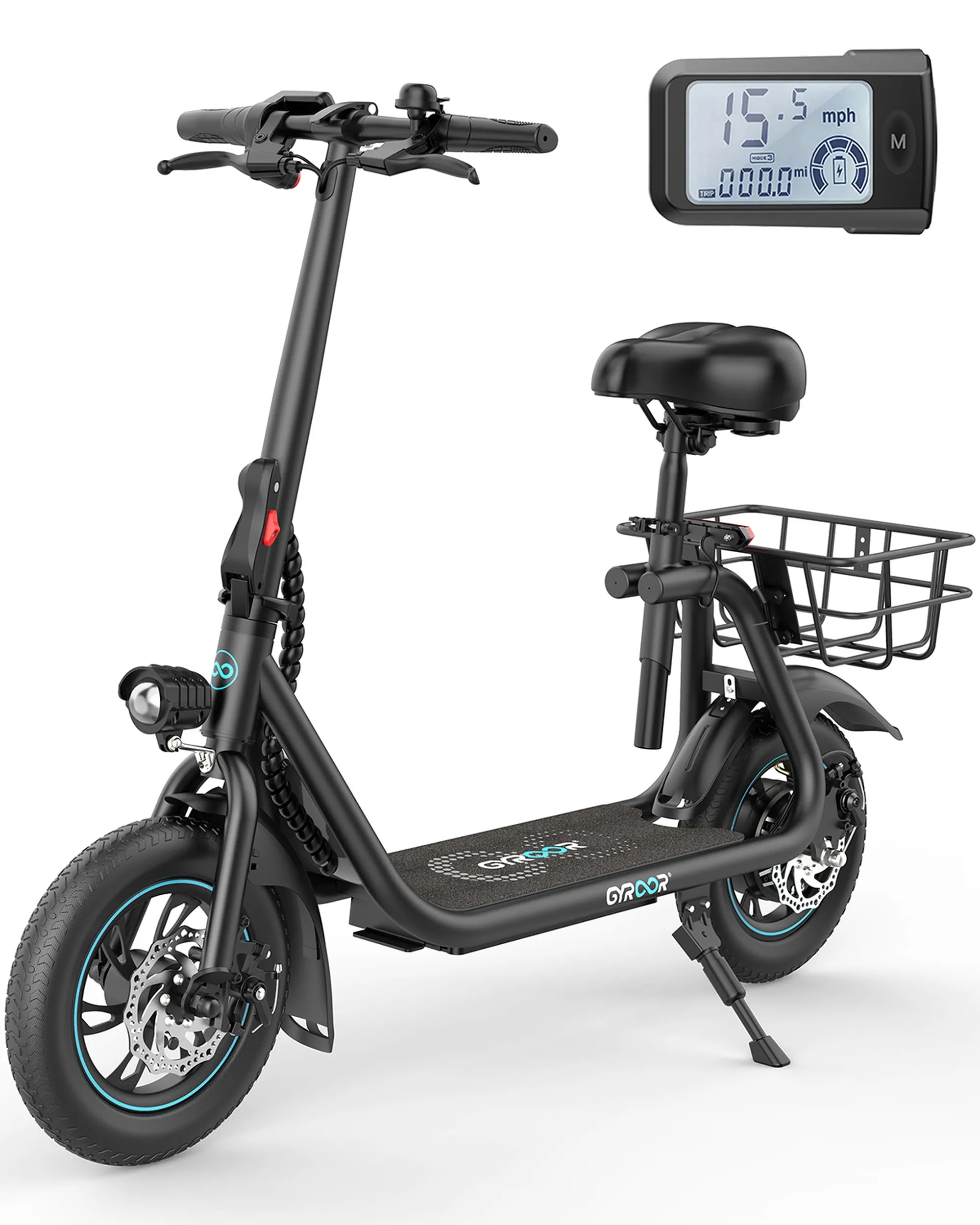
Nothing ruins a commute faster than an e-scooter that won’t turn on. Whether you’re rushing to work or heading out for a leisurely ride, a dead scooter can be frustrating. But before you panic or call for repairs, there are several troubleshooting steps you can take to get back on the road. Let’s dive into the most common reasons why your e-scooter won’t power on and how to fix them.
Check the Battery
The battery is often the culprit when an e-scooter refuses to start. Begin by ensuring it’s properly charged. Plug in the charger and wait for the indicator light to confirm a full charge. If the battery doesn’t charge, try a different outlet or charger to rule out power supply issues. If the battery is old or damaged, it may need replacement.
Inspect the Power Button
Sometimes, the issue is as simple as a faulty power button. Press it firmly and hold it for a few seconds. If there’s no response, check for physical damage or debris around the button. A stuck or broken button may require professional repair.
Examine the Wiring
Loose or damaged wiring can prevent your e-scooter from turning on. Carefully inspect the connections between the battery, motor, and control unit. Look for frayed wires, loose plugs, or signs of corrosion. If you find any issues, tighten or replace the affected components.
Test the Display and Dashboard
If your scooter has a display screen, check if it lights up when you press the power button. A blank screen could indicate a problem with the dashboard or control unit. Resetting the system by disconnecting and reconnecting the battery might help.
Look for Error Codes
Many modern e-scooters display error codes when something goes wrong. Refer to your user manual to decode any messages on the screen. Common codes relate to motor, battery, or sensor issues, which can guide your troubleshooting efforts.
Assess the Motor
A malfunctioning motor can prevent the scooter from starting. Listen for unusual sounds when attempting to power it on. If the motor is silent or makes grinding noises, it may need servicing or replacement.
Check the Brakes and Safety Features
Some e-scooters won’t start if the brakes are engaged or if a safety feature is triggered. Ensure the brake levers are fully released and that the kickstand (if equipped) is in the correct position.
Reset the Scooter
A system reset can often resolve minor glitches. Turn off the scooter, disconnect the battery for a few minutes, then reconnect it and try powering it on again. This can clear temporary software issues.
Consult the User Manual
If all else fails, refer to the manufacturer’s manual for model-specific troubleshooting tips. It may contain valuable insights or warranty information that can save you time and money.
Seek Professional Help
If you’ve tried everything and your e-scooter still won’t turn on, it’s time to visit a repair shop. Certified technicians can diagnose and fix complex electrical or mechanical problems.
Don’t let a dead e-scooter derail your plans. With these troubleshooting steps, you’ll have a better chance of identifying and resolving the issue quickly. Whether it’s a simple battery recharge or a more intricate wiring fix, knowing what to check can get you rolling again in no time. Happy riding!
2 Person Electric Bike: The Ultimate Guide to Tandem E-Biking
Best Budget Electric Bike: Affordable and Efficient Rides for Everyone