



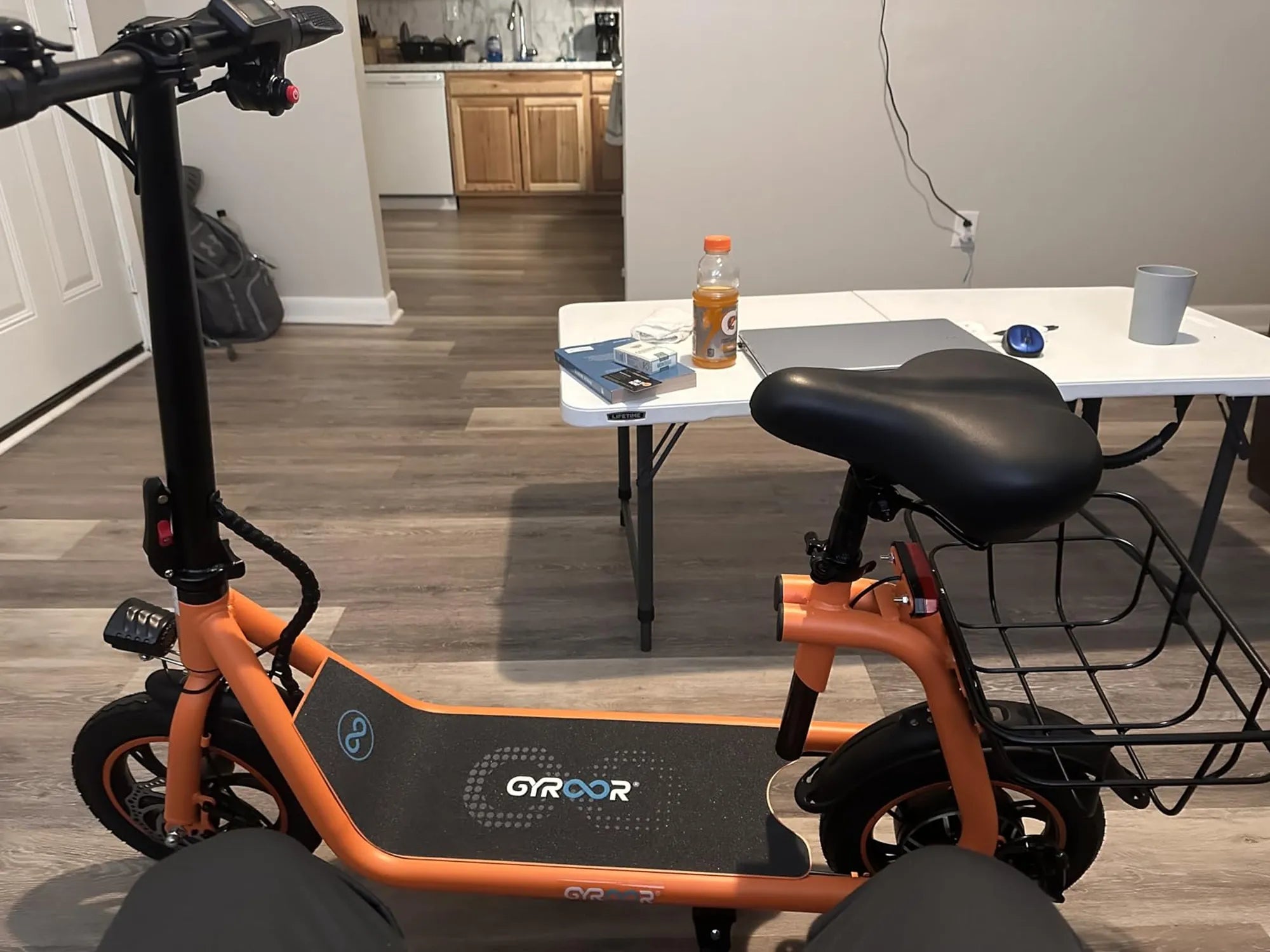
Introduction to Electric Scooters: A Modern Urban Mobility Solution
Electric scooters are compact, motorized vehicles designed for personal urban transport. They solve critical challenges like traffic congestion, expensive parking, and carbon emissions. Their surge in popularity marks a definitive shift towards practical micro-mobility.
This guide provides the essential knowledge for choosing and using an electric scooter safely and effectively. We will cover specifications, regulations, safety, and comparative analysis. What You Need to Know About Electric Scooters: A Complete Guide starts with understanding their role in a modern transit ecosystem.
Brands like Gyroor have entered this market with a focus on safety and reliability. Trusted by over 100,000 riders, Gyroor builds scooters with UL-certified batteries and durable designs. This foundation is crucial for navigating the expanding world of e-scooters.
Key Features and Specifications to Evaluate Before Buying
Choosing an electric scooter requires analyzing technical specifications. These specs directly impact performance, range, and suitability for your daily needs. Use this section as a practical checklist before purchase.
Motor Power and Performance
Motor power, measured in watts (W), determines acceleration, top speed, and hill-climbing ability. A 250W motor suits flat urban commutes for lighter riders. For hills or heavier riders, 350W to 500W provides necessary torque.
Matching motor power to rider weight and terrain is essential. A 500W motor can typically handle a 220 lb rider on moderate inclines. Underpowered scooters strain on hills, reducing battery life and potentially overheating the motor.
Battery Life, Range, and Charging
Battery capacity, measured in watt-hours (Wh), dictates your scooter's range. Advertised ranges are often under ideal conditions. Real-world range is affected by rider weight, hills, speed, and temperature.
A 10Ah battery may claim 20 miles, but expect 12-15 miles in real use. Charging time varies from 3 to 8 hours. Safety is paramount; always use scooters with UL-certified battery packs, like those from Gyroor, tested for 500+ charge cycles.
Build Quality, Weight, and Portability
Frame material defines durability and weight. Aluminum alloy offers a strong, lightweight frame. Carbon steel is heavier but extremely robust. The folding mechanism's reliability is critical for portability and safety.
Scooter weight ranges from 25 lbs (ultra-portable) to over 50 lbs (high-performance). Consider your need to carry it upstairs or onto public transit. A good balance between sturdy construction and manageable weight is key for commuters.
Safety and Durability Features
Braking systems include disc brakes (powerful, requires maintenance), electronic brakes (regenerative, less powerful), and foot brakes. A combination provides the safest stopping power. Tire type affects ride comfort and traction.
Pneumatic (air-filled) tires absorb bumps but can puncture. Solid tires are maintenance-free but give a harsher ride. Lighting (front and rear) and reflectors are vital for visibility. Water resistance, rated via IP codes, is crucial. Gyroor's IPX5 rating means its scooters can withstand water jets, offering reliable all-weather use.
Navigating Regulations and Safe Riding Practices
Legal knowledge and safe habits are non-negotiable for electric scooter riders. Laws vary widely, and proactive safety protects you and others. This practical guide clarifies the landscape.
Understanding Local Laws and Classifications
Most cities regulate where you can ride. Common rules prohibit sidewalk riding, restrict use to bike lanes or roads under certain speed limits, and mandate helmet use for minors. Speed limits often cap at 15-20 mph.
Age restrictions typically start at 16. Some jurisdictions require registration or a driver's license. It is the rider's responsibility to check their specific city and state ordinances before riding.
Essential Safety Gear and Pre-Ride Checks
A proper helmet is the most critical piece of safety gear. Consider knee and elbow pads, especially for new riders. High-visibility clothing or accessories are recommended for night riding.
Conduct a pre-ride check every time. Inspect tire pressure and for wear, test brake function, ensure lights work, check that the folding mechanism is securely locked, and verify the battery has sufficient charge. This two-minute routine prevents most mechanical failures.
Defensive Riding Techniques for Urban Environments
Assume cars and pedestrians do not see you. Ride predictably, signal turns, and make eye contact with drivers at intersections. Avoid blind spots. Maintain a safe speed, especially in crowded areas or poor weather.
Scan the path ahead for potholes, debris, and grates. Wet conditions require slower speeds and gentler braking. Always yield to pedestrians. Defensive riding is about anticipating hazards before they become emergencies.
Comparative Analysis: Electric Scooters vs. Other Micro-Mobility Options
Choosing the right vehicle requires a data-driven comparison. Here’s how electric scooters stack up against other popular modes of transport. This analysis helps match the vehicle to your specific needs.
| Feature | Electric Scooter | E-Bike | Traditional Bicycle | Public Transit (Bus/Train) |
|---|---|---|---|---|
| Avg. Upfront Cost | $500 - $1,500 | $1,000 - $3,000+ | $300 - $1,000 | N/A (Fare-based) |
| Top Speed | 15 - 25 mph | 20 - 28 mph (assist) | Limited by rider | Varies |
| Typical Range | 12 - 40 miles | 20 - 60+ miles | Limited by rider | Unlimited (route-based) |
| Portability | High (Folds, lightweight) | Low (Bulky, heavy) | Medium (Can be heavy) | N/A |
| Physical Effort | Low | Low to Moderate (with assist) | High | None |
| Parking/Storage | Easy | Challenging | Moderate | N/A |
| Primary Use Case | Last-mile, short commutes | Longer commutes, recreation | Exercise, short trips | Long-distance, high-volume routes |
Electric Scooters vs. E-Bikes
E-scooters excel in portability and compact storage. They are easier to carry onto public transit or into an office. E-bikes offer greater range and comfort for longer distances but are significantly heavier and harder to store securely.
Regulations for e-bikes can be more complex, often involving three-class systems. Electric scooters typically face more restrictive rules on where they can be ridden. For pure last-mile connectivity and multi-modal commuting, the scooter's portability is a major advantage.
Electric Scooters vs. Traditional Bicycles and Public Transit
Compared to a traditional bike, an electric scooter requires minimal physical effort, making it accessible and sweat-free for commutes. It is often faster for urban trips under 5 miles when factoring in traffic.
Against public transit, a scooter offers point-to-point travel without wait times or fixed schedules. Its greatest strength is as a first/last-mile connector, solving the "final mile problem" from a transit station to your destination efficiently.
Maximizing Your Investment: Maintenance and Warranty
Proper care extends your scooter's lifespan and ensures safe operation. A strong warranty provides long-term peace of mind. This is part of what you need to know about electric scooters: a complete guide to ownership.
Routine Maintenance Checklist
Perform these simple tasks regularly. Check and inflate pneumatic tires to the recommended PSI every two weeks. Listen for brake squeal and adjust cable tension or inspect disc pads monthly.
Tighten bolts and fasteners, especially on the stem and folding mechanism, every few months. Clean the scooter with a damp cloth; for IPX5-rated models like Gyroor's, you can carefully rinse off dirt. Avoid high-pressure water on bearings and displays.
Understanding Your Warranty and Support
A comprehensive warranty is a sign of manufacturer confidence. Look for coverage on the battery (often 6-12 months), motor (1-2 years), and frame (1 year+). Reliable customer support is as important as the warranty terms.
Gyroor, for example, offers a 1-year warranty backed by US-based support. This protects against defects and provides accessible help. Always register your product and keep your receipt to validate warranty claims.
Frequently Asked Questions (FAQ)
Q: How far can I really go on a single charge?
A: Real-world range is typically 60-70% of the advertised maximum. For a scooter rated for 20 miles, plan for 12-15 miles. Factors like rider weight, hills, frequent stops, and cold weather significantly reduce range.
Q: Are electric scooters safe in the rain?
A: Safety depends on the scooter's IP water resistance rating. A rating of IPX4 or higher (like Gyroor's IPX5) means it can handle light to moderate rain. However, always reduce speed, avoid puddles, and brake gently on wet surfaces for safety.
Q: What is the average lifespan of an electric scooter?
A: With proper maintenance, a quality electric scooter can last 2-5 years or 1,000-3,000 miles. The battery is the primary wear item; a UL-certified battery with 500+ cycle ratings, when cared for, should last 2-3 years of regular use.
Q: Do I need a license or insurance to ride one?
A: In most US states, a driver's license is not required for lower-speed electric scooters. Insurance is rarely mandatory but checking your local laws is essential. Some homeowner's or renter's insurance policies may offer limited coverage.
Q: Can I carry an electric scooter on a bus or train?
A: Most public transit systems allow folded electric scooters, similar to folded bicycles. Policies vary, so check with your local transit authority. A lightweight, compact folding scooter is ideal for multi-modal commuting.
Conclusion: Choosing the Right Electric Scooter for Your Lifestyle
Selecting an electric scooter is about matching specifications to your commute. Prioritize motor power for your terrain and battery range for your distance. Never compromise on safety features like reliable brakes and proper water resistance.
Understanding and obeying local laws is a fundamental responsibility. Invest in a reputable brand that uses certified components and stands behind its product with a strong warranty. This ensures your investment is protected for the long term.
For riders seeking a balance of performance, portability, and proven safety, exploring options from established brands is a smart start. Gyroor's lineup, with its UL-certified batteries and IPX5-rated designs, exemplifies the reliability needed for daily urban mobility.
Ready to find your perfect ride? Equip yourself with the knowledge from this guide and explore trustworthy options. Browse the full Gyroor collection at gyroorboard.com to discover scooters built for real-world commuting.
What Age Are Electric Scooters For? A Complete Guide for Parents and Riders
What Batteries Do Electric Scooters Use: The Complete 2024 Guide