



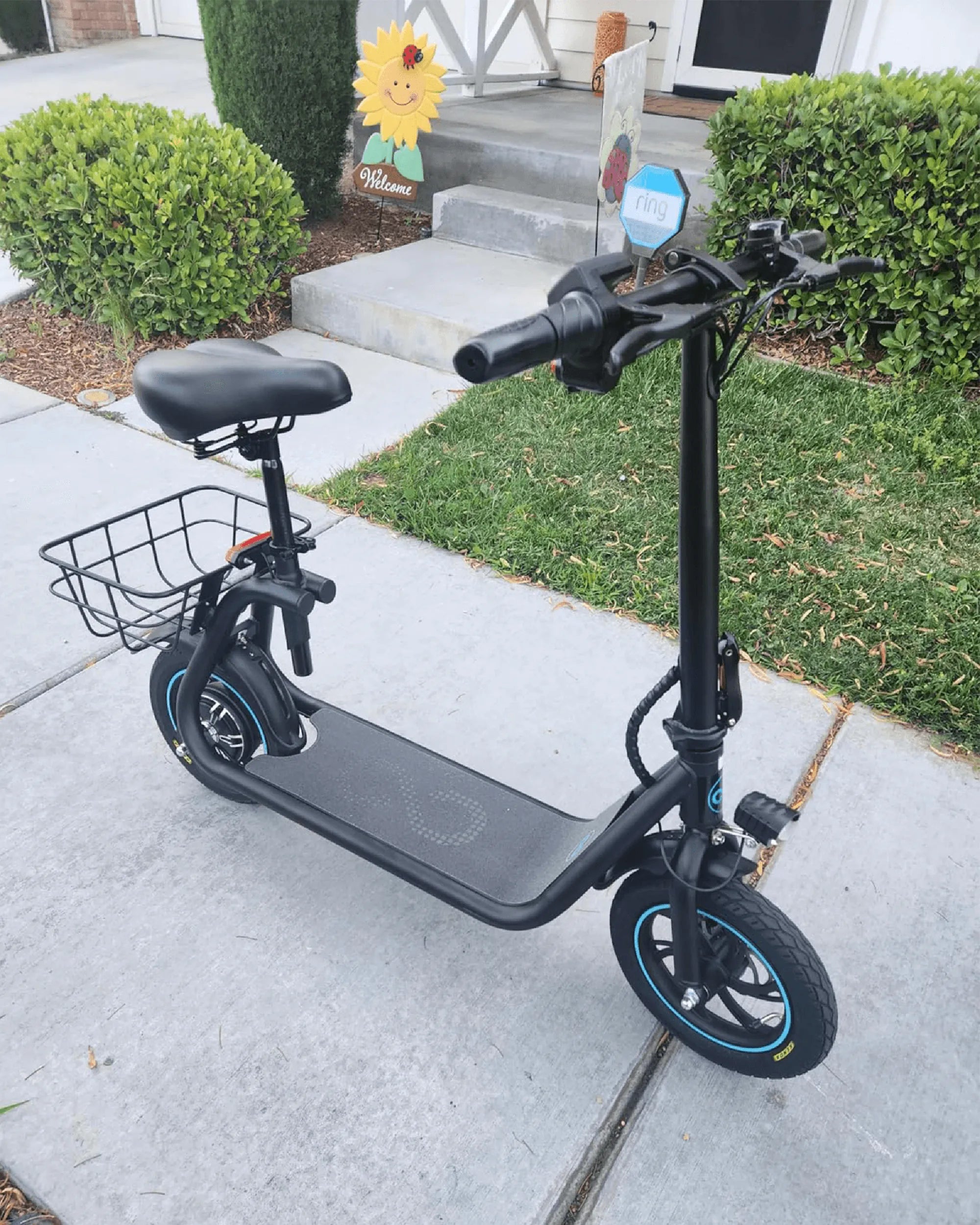
Electric scooters have become a ubiquitous sight in cities worldwide, offering a convenient and eco-friendly way to zip through urban landscapes. But have you ever wondered when the first electric scooter was invented? The answer might surprise you, as the roots of this innovative mode of transportation stretch back further than you might think.
The Early Days of Electric Mobility
The concept of electric-powered personal transportation dates back to the late 19th century, a time of rapid technological advancement. While the exact origins of the first electric scooter are somewhat debated, historical records point to the 1890s as the decade when the earliest prototypes emerged.
Patent Wars and Early Innovations
In 1895, a significant milestone occurred when Ogden Bolton Jr. received a patent for an electric bicycle design. While not strictly a scooter, this invention demonstrated the growing interest in electric personal transportation. Around the same period, inventors across Europe and America were experimenting with similar concepts, laying the groundwork for what would eventually become the modern electric scooter.
The First Recognizable Electric Scooter
The first vehicle that closely resembles what we now consider an electric scooter appeared in the early 20th century. In 1915, a New York inventor developed a motorized scooter with a small electric motor, though it never reached mass production. These early models were heavy, expensive, and had limited range - factors that prevented widespread adoption at the time.
Post-War Developments
After World War II, advancements in battery technology and electric motors led to renewed interest in electric scooters. The 1960s saw several manufacturers experimenting with designs that would eventually influence the modern electric scooter. However, it wasn't until the late 20th century that technological improvements made electric scooters practical for everyday use.
The Modern Electric Scooter Revolution
The 1990s marked a turning point for electric scooters, with significant improvements in battery life, motor efficiency, and overall design. Lightweight materials and more powerful lithium-ion batteries transformed electric scooters from novelty items into viable transportation solutions. This period saw the emergence of the sleek, foldable designs that dominate the market today.
21st Century Boom
The past two decades have witnessed an explosion in electric scooter popularity, driven by environmental concerns, urban congestion, and technological advancements. Shared scooter programs in major cities have introduced millions to the convenience of electric scooters, making them an integral part of the urban mobility landscape.
Why the History Matters
Understanding the origins of electric scooters helps us appreciate how far this technology has come. From clunky prototypes to sophisticated personal transportation devices, electric scooters have undergone a remarkable evolution. The story of their development reflects broader trends in transportation, energy, and urban planning.
As cities continue to grapple with pollution and congestion, the electric scooter's journey from 19th-century curiosity to 21st-century transportation staple offers valuable insights. The next time you see someone gliding effortlessly on an electric scooter, remember that you're witnessing over a century of innovation in motion.
Electric Scooter Deck Grip Tape: The Ultimate Guide for Safety and Performance
Home Electric Scooter: The Ultimate Guide to Convenient and Eco-Friendly Commuting