


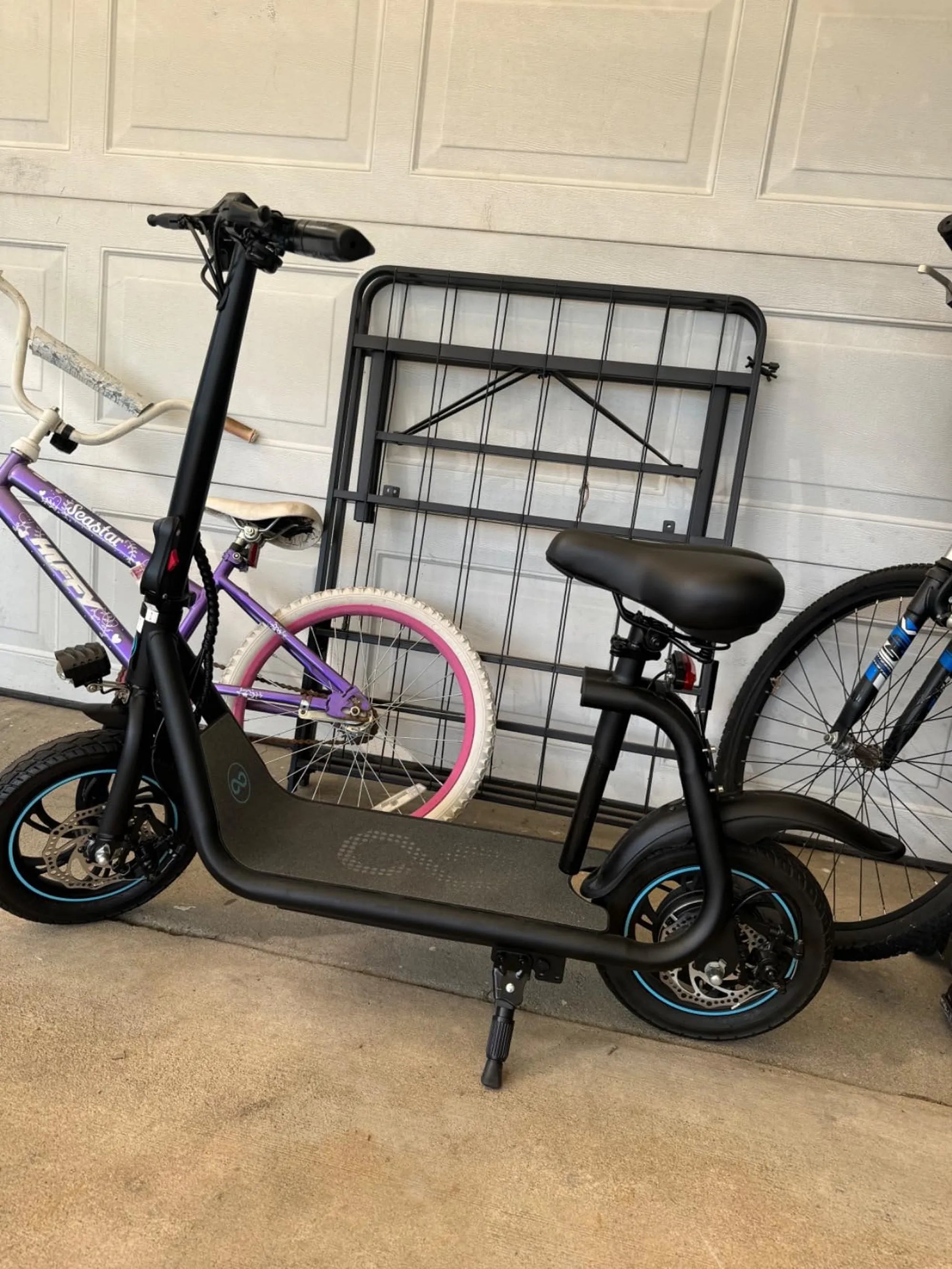
The electric scooter has become a ubiquitous sight in cities worldwide, revolutionizing short-distance travel. But when was the first electric scooter invented? The answer takes us back over a century, to an era of innovation and experimentation in personal transportation.
The Early Days of Electric Mobility
Long before the sleek, foldable designs of today, inventors were experimenting with electric-powered personal vehicles. The late 19th century saw a flurry of activity in electric transportation, with early prototypes of electric bicycles and scooters emerging alongside the first electric cars.
Historical records suggest the first patent for an electric scooter-like vehicle was filed in 1895 by Ogden Bolton Jr. This early design featured a battery-powered motor attached to a bicycle frame, though it lacked the standing platform we associate with modern scooters.
The First True Electric Scooter
The first recognizable electric scooter appeared in the early 20th century. In 1915, the Autoped Company of America introduced a motorized scooter that could be considered the grandfather of today's electric models. While initially powered by gasoline, the company soon developed an electric version.
This innovative vehicle featured:
- A standing platform with 10-inch wheels
- A collapsible handlebar for easy storage
- A battery-powered motor capable of speeds up to 20 mph
- A range of about 25 miles per charge
Post-War Developments
After World War II, interest in electric scooters waned as gasoline became cheap and plentiful. However, the 1970s oil crisis sparked renewed interest in electric alternatives. Inventors began experimenting with new battery technologies and lightweight materials.
Key developments during this period included:
- Improved lead-acid batteries
- More efficient electric motors
- Lightweight aluminum frames
The Modern Electric Scooter Revolution
The real breakthrough came in the early 2000s with advances in lithium-ion battery technology. These lightweight, high-capacity batteries made electric scooters practical for everyday use. Today's models owe their existence to these technological advancements.
Modern electric scooters typically feature:
- Lightweight, foldable designs
- Ranges of 15-50 miles per charge
- Speeds up to 30 mph
- Smart connectivity features
The Future of Electric Scooters
As cities become more congested and environmental concerns grow, electric scooters are poised to play an even greater role in urban transportation. Emerging technologies like swappable batteries and self-charging systems promise to make them even more convenient and sustainable.
From their humble beginnings over a century ago to their current status as urban mobility icons, electric scooters have come an incredibly long way. The next time you see one zipping down the street, remember you're witnessing the latest chapter in a transportation revolution that began when someone first asked: 'What if we could stand while we ride?'
My Electric Scooter Keeps Beeping: Causes and Solutions
Low Cost Electric Scooter India 2025: The Future of Affordable Urban Mobility