



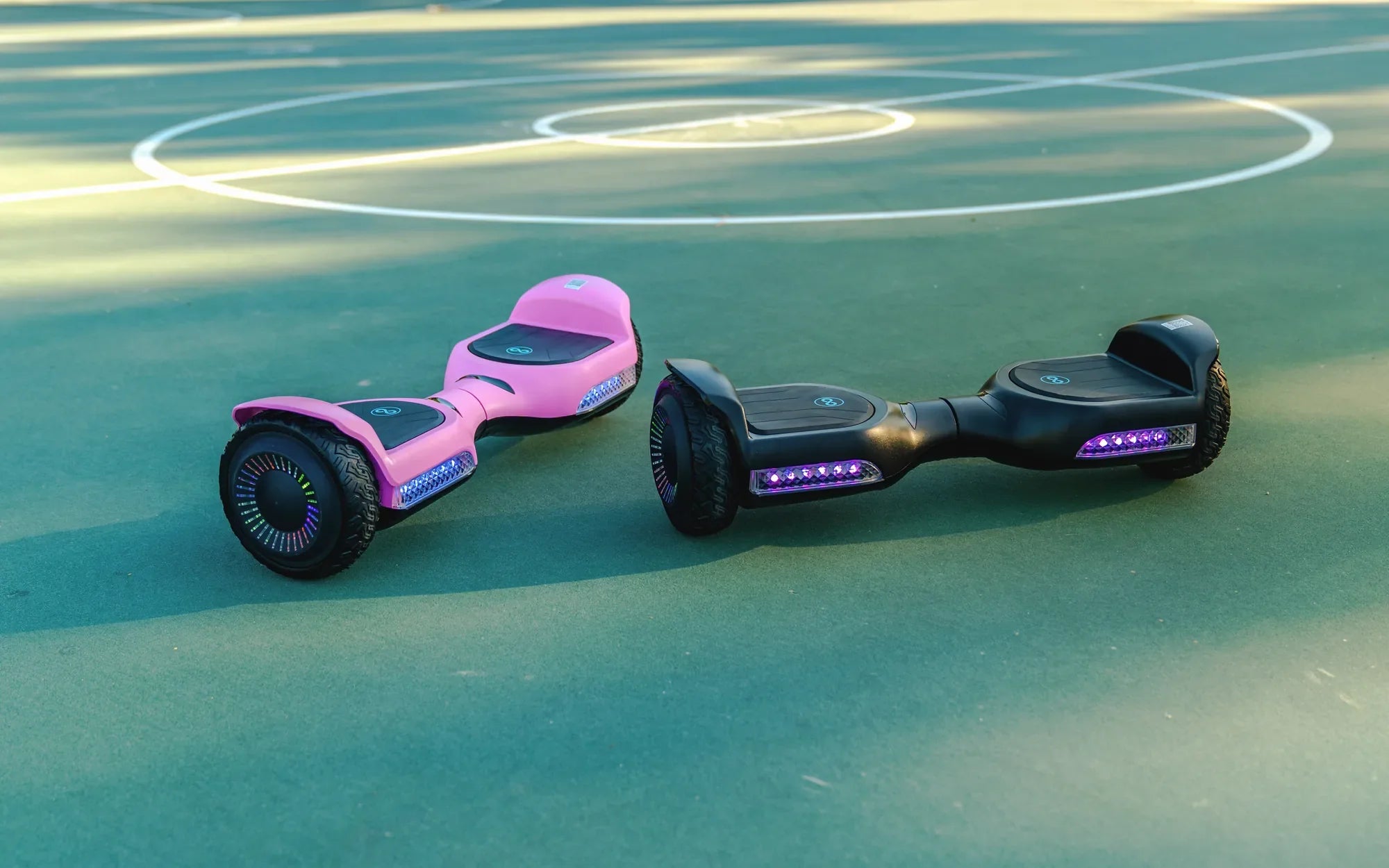
Imagine gliding effortlessly above the ground, bypassing traffic with ease—hoverboards have captured our imaginations for decades. From sci-fi movies to tech expos, the idea of floating personal transport has always felt just out of reach. But when will hoverboards finally be available to the masses? Let’s dive into the latest advancements, the hurdles still standing in the way, and the most realistic timeline for their arrival.
The Current State of Hoverboard Technology
Hoverboards, as envisioned in popular culture, rely on magnetic levitation or anti-gravity technology. While we’ve seen prototypes and experimental models, a consumer-ready version remains elusive. Researchers and engineers are making progress, but several key challenges must be overcome before hoverboards can hit the market.
Magnetic Levitation and Its Limitations
Magnetic levitation (maglev) is the most promising technology for hoverboards. It uses powerful magnets to create lift, allowing objects to float above a surface. However, current maglev systems require specialized tracks or conductive surfaces, limiting their practicality for personal use. Developing a self-contained hoverboard that doesn’t rely on external infrastructure is a major hurdle.
Power and Energy Efficiency
Another critical challenge is power consumption. Hoverboards would need compact yet powerful energy sources to sustain levitation and propulsion. Current battery technology isn’t advanced enough to support prolonged hoverboard use without frequent recharging. Breakthroughs in energy storage, such as solid-state batteries, could be a game-changer.
Challenges Preventing Mass Production
Beyond the technical hurdles, several practical issues stand in the way of hoverboards becoming widely available.
Safety Concerns
Floating several inches above the ground at high speeds introduces significant safety risks. Without proper stabilization and control systems, riders could lose balance or collide with obstacles. Engineers must develop fail-safe mechanisms to prevent accidents before regulators approve hoverboards for public use.
Regulatory and Infrastructure Barriers
Even if hoverboards become technically feasible, governments will need to establish regulations for their use. Questions about where hoverboards can operate—sidewalks, roads, or dedicated lanes—will need answers. Additionally, cities may need to adapt infrastructure to accommodate this new mode of transport.
When Can We Expect Hoverboards to Be Available?
Predicting an exact timeline is tricky, but experts suggest we’re still a decade or more away from commercially viable hoverboards. Here’s a rough breakdown of what to expect:
- 2025-2030: Continued advancements in maglev and battery technology, with more sophisticated prototypes emerging.
- 2030-2035: Limited commercial releases, likely targeting niche markets or high-end consumers.
- 2035 and beyond: Potential mass adoption if costs decrease and infrastructure adapts.
The Future of Personal Transportation
Hoverboards represent just one piece of the evolving personal transportation puzzle. As technology progresses, we may see a blend of hoverboards, electric scooters, and other innovative vehicles reshaping how we move. The key will be balancing innovation with safety, affordability, and sustainability.
The wait for hoverboards may be long, but the payoff could revolutionize urban mobility. Until then, keep an eye on breakthroughs in maglev, energy storage, and AI-driven stabilization—because the future of floating transport is closer than you think.
25.2 V Hoverboard Battery Replacement: A Complete Guide to Safe and Efficient Upgrades
8.5in 400w Wheel Electric Hoverboard Motor: Power and Performance Redefined