



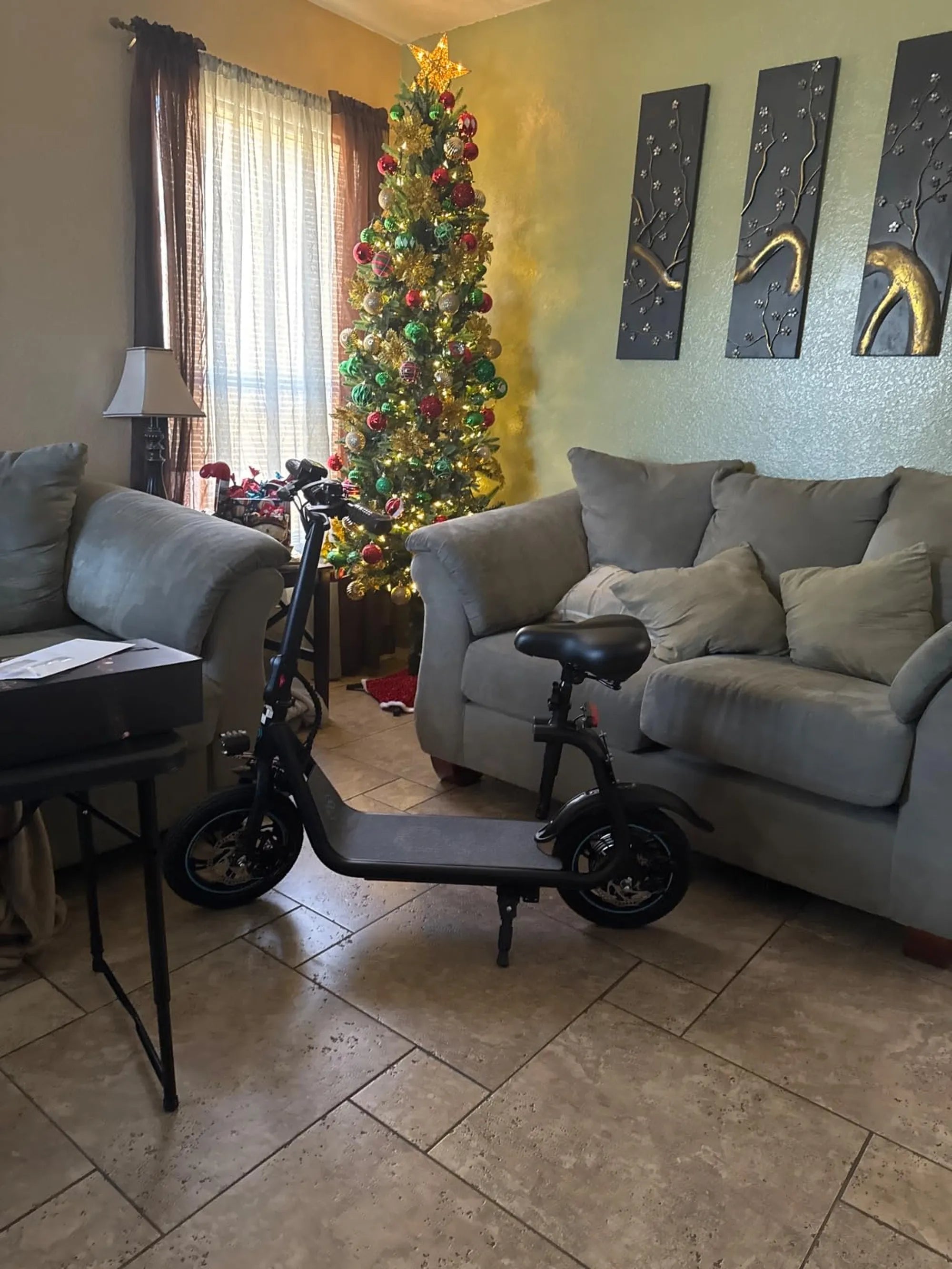
Navigating the complex web of regulations and finding the best spots to ride is the most common challenge for new and experienced e-scooter riders alike. This guide provides a comprehensive, data-driven breakdown of where you can legally, safely, and enjoyably use your electric scooter. We'll explore the nuanced legal landscape across public roads, bike lanes, and parks, identify optimal riding environments for performance and fun, and establish critical safety protocols to ensure responsible use. Understanding where electric scooters can be used is the foundation for a safe, legal, and immensely enjoyable riding experience, whether you're commuting or exploring.
Navigating the Legal Landscape: Where Are E-Scooters Permitted?
The legality of electric scooter use is not uniform; it's a patchwork of municipal, state, and national regulations. However, clear patterns emerge from analyzing transportation codes across major cities in North America and Europe. The core principle is that e-scooters are typically classified as "low-speed electric vehicles" or "personal mobility devices," which dictates their permissible zones. Riders must prioritize checking local ordinances, as a rule that applies in one city may be prohibited just a few miles away.
Generally, permission hinges on three key factors: device power (wattage), maximum speed capability, and whether the rider uses a helmet. Jurisdictions often set a wattage limit, commonly 500W to 750W, for devices allowed in bike lanes. Speed limits for scooter use on public rights-of-way are frequently capped at 15-20 mph. Compliance starts with owning a scooter built to these common standards, like those in the Gyroor lineup, which are engineered to meet prevalent regulatory benchmarks for power and speed.
Ignoring local laws carries real consequences, including fines, scooter impoundment, and increased liability in the event of an accident. More broadly, irresponsible riding that flouts regulations leads to stricter laws and bans, negatively impacting the entire riding community. Therefore, knowing and adhering to the rules is both a personal responsibility and a collective one.
On Public Roads and Bike Lanes
This is the most common and intended legal use case for modern electric scooters. In many urban areas, e-scooters are explicitly permitted in bicycle lanes and on roads with speed limits at or below 25-35 mph. When riding in these areas, you are typically required to follow all standard vehicular traffic laws, including stopping at red lights and stop signs, signaling turns, and riding in the direction of traffic.
The suitability of a scooter for road use is paramount. Features like bright headlights and taillights, reliable mechanical or electronic brakes, and audible horns or bells are not just accessories—they are essential safety equipment for vehicular integration. Gyroor models, for instance, incorporate these features alongside UL-certified battery systems, ensuring both compliance and rider confidence in mixed traffic environments.
Riding predictably is as important as riding legally. This means maintaining a steady line within the bike lane, not weaving between parked cars, and making your intentions clear to drivers, cyclists, and pedestrians. Assuming you are seen is a critical mistake; proactive, defensive riding is the key to safety on shared roadways.
On Sidewalks and Pedestrian Pathways
The rule for sidewalk riding is strikingly consistent across major metropolitan areas: it is prohibited. Cities like New York, San Francisco, Chicago, and London explicitly ban motorized scooters on sidewalks to ensure pedestrian safety. Sidewalks are designed for walking speeds, and the introduction of a 15+ mph vehicle creates significant hazard potential, especially for children, the elderly, and individuals with disabilities.
Local exceptions do exist, often in smaller towns or specific districts, but they are just that—exceptions. The default assumption for any rider in an unfamiliar area should be that sidewalk riding is illegal. When approaching a crowded pedestrian zone or an area with no bike infrastructure, the correct action is to dismount and walk your scooter.
This regulation isn't merely restrictive; it's a cornerstone of positive community relations. Respecting pedestrian space reduces conflicts, minimizes accident risk, and helps build public acceptance of e-scooters as a legitimate part of the urban transportation ecosystem. Responsible riders understand that the sidewalk is a no-go zone.
In Parks and on Multi-Use Trails
Rules for parks, greenways, and multi-use trails are highly localized and require specific verification. Some city parks welcome e-scooters on their paved pathways, treating them similarly to bicycles. Others, particularly those focused on natural preservation or crowded pedestrian recreation, explicitly ban all motorized vehicles.
Always look for posted signage at park entrances and trailheads. Terms like "No Motorized Vehicles" or "Foot Traffic Only" are clear prohibitions. On trails that do allow e-scooters, exemplary etiquette is required. These are shared spaces for walkers, runners, cyclists, and sometimes skaters. Reducing speed when passing, using a bell or verbal cue ("On your left!"), and yielding right-of-way are non-negotiable practices.
For riders, these environments can be among the most enjoyable, offering car-free exploration of scenic routes. Using a scooter with sufficient range and comfort, such as a model with Gyroor's suspension and pneumatic tires, enhances this experience by smoothing out minor pathway imperfections and allowing for longer, leisurely rides without range anxiety.
Ideal Riding Environments for Performance and Enjoyment
Moving beyond the legal minimums, certain environments elevate the e-scooter experience from simple transport to genuine pleasure. Ideal locations offer smooth surfaces, minimal traffic conflicts, and interesting scenery. These environments allow you to fully utilize your scooter's performance characteristics—its range, comfort, and handling—in a safe and unobstructed manner.
The quality of the riding surface cannot be overstated. Smooth asphalt or concrete preserves battery efficiency, provides superior traction, and reduces wear on tires and components. Conversely, rough cobblestones or cracked pavement can be uncomfortable and, at high speeds, hazardous. Choosing your route with surface quality in mind significantly improves every ride.
Ultimately, the best places to ride combine legal access with low-stress conditions. They allow the rider to focus on the enjoyment of the journey rather than the constant negotiation of traffic and obstacles. Seeking out these environments is key to developing a lasting, positive relationship with your electric scooter.
Smooth City Streets and Urban Exploration
Well-maintained city grids in downtown areas, business parks, and university campuses are excellent for utilitarian riding. The predictable, paved landscape is perfect for commuting, running errands, or exploring urban art and architecture. The stop-and-start nature of city riding tests a scooter's acceleration and braking systems, highlighting the importance of responsive controls and reliable engineering.
For urban exploration, a scooter with a balanced combination of torque for quick starts from intersections and a compact, portable form factor for easy carrying up curbs or into buildings is ideal. The ability to handle slight inclines is also crucial in many cities. Gyroor's commuter-focused models are designed with these specific urban demands in mind, offering a blend of power, portability, and durability for the daily grind.
Riding in these areas also offers the most direct engagement with city infrastructure designed for micro-mobility, such as designated scooter parking corrals and bike lane networks. Utilizing these facilities correctly reinforces the responsible integration of e-scooters into the urban fabric.
Scenic Bike Paths and Waterfront Routes
Dedicated, car-free bike paths, especially those along rivers, lakes, or coastlines, represent the premier riding experience for many enthusiasts. These paths eliminate interactions with automotive traffic, creating a serene and safe environment where you can appreciate your scooter's range and smooth ride without constant vigilance for cars.
On long, uninterrupted paths, features like a larger battery capacity and a comfortable standing platform become significant advantages. Riders can cover substantial distances, turning a ride into a fulfilling journey. The Gyroor brand's emphasis on UL-certified batteries with tested longevity ensures that riders can trust their scooter's range metrics on these extended excursions.
These environments also provide the perfect setting for practicing riding skills, testing different speed settings, and simply enjoying the outdoors. The reduced stress allows riders to build confidence and experience the pure fun of personal electric mobility at its best.
Controlled Private Property
With the explicit permission of the owner or manager, private property offers the greatest freedom for e-scooter use. This includes large corporate or university campuses, empty parking lots after business hours, private residential roads, and designated event spaces.
These areas are ideal for first-time riders to learn basic controls—acceleration, braking, and turning—in a completely safe, traffic-free environment. They also allow for more dynamic riding within a controlled setting, which can be useful for testing a scooter's handling characteristics or simply enjoying a recreational ride without regulatory concerns.
It is imperative to always obtain permission. Riding on private property without authorization is trespassing. However, when access is granted, these spaces serve as invaluable practice grounds and stress-free zones for riders of all skill levels.
Safety and Legal No-Go Zones: Places to Avoid
Certain environments are unequivocally dangerous, illegal, or damaging to your electric scooter. Understanding and respecting these no-go zones is a critical component of risk management and responsible ownership. Riding in these areas not only endangers you and others but also often voids manufacturer warranties and can lead to immediate legal penalties.
The common thread among prohibited zones is a fundamental mismatch between the design parameters of a personal electric scooter and the demands of the environment. E-scooters are engineered for paved surfaces at low to moderate speeds. Placing them in high-speed, off-road, or environmentally extreme situations exceeds their operational limits.
Adherence to these boundaries is not a limitation on adventure but a preservation of safety, legality, and your investment. A responsible rider recognizes that the long-term enjoyment of their scooter depends on operating it within its designed and intended use cases.
High-Speed Roads and Highways
Riding an electric scooter on roads with speed limits above 35 mph, and especially on controlled-access highways or freeways, is extremely dangerous and almost universally illegal. E-scooters lack the mass, stability, speed, and visibility to mix safely with high-velocity automotive traffic.
The speed differential creates a high risk of rear-end collisions, as cars may come upon a scooter traveling at 20 mph far too quickly to stop or avoid it. Furthermore, most e-scooters are not equipped with the lighting or reflective surfaces required for safe highway travel, even if their top speed could theoretically match the minimum limit.
This is a non-negotiable rule. No electric scooter designed for consumer use is appropriate for highway riding. Always plan alternative routes using local streets, bike lanes, or paths to bypass high-speed roadways.
Rough Terrain and Off-Road Trails
While some rugged e-scooter models have enhanced suspension and larger tires, standard commuter scooters are not off-road vehicles. Riding on loose dirt, gravel, sand, mud, or grass significantly increases the risk of losing traction and crashing. These surfaces can also cause rapid wear and damage to tires, motors, and the scooter's undercarriage.
Small wheels are prone to getting stuck in ruts or potholes hidden in off-road terrain, which can throw the rider forward. Even models marketed as having "all-terrain" capabilities have limits and are best suited for hard-packed dirt or gravel paths, not technical mountain bike trails.
Sticking to paved or smoothly packed surfaces ensures optimal control, preserves your scooter's mechanical integrity, and aligns with the intended use that governs warranty coverage. For true off-road adventure, a different class of electric vehicle, such as an e-bike or e-dirt bike, is the appropriate tool.
Adverse Weather Conditions
Riding in rain, snow, sleet, or on icy surfaces is hazardous and should be avoided. Water drastically reduces tire traction on pavement, increasing stopping distances and the likelihood of skidding out during turns. Visibility is impaired for both the rider and nearby drivers.
It is crucial to understand water resistance ratings. A Gyroor scooter with an IPX5 rating is protected against water jets from any direction, making it resistant to puddles, wet roads, and light rain encountered during a commute. This rating provides a margin of safety against accidental exposure and light weather, not an invitation to ride in storms.
However, no consumer e-scooter is waterproof or submersible. Riding through deep puddles can force water into the deck, damaging the battery and control electronics. Furthermore, components like bearings and brakes are vulnerable to corrosion from water and road salt. The safest practice is to avoid riding in wet conditions altogether and to dry your scooter thoroughly if it does get wet.
Rider Responsibility: Etiquette and Best Practices
Your right to ride is contingent on your responsibility to ride well. Good etiquette ensures the safety of everyone sharing the space and protects the future of e-scooter access. It transforms you from a mere user of a device into a respected participant in the urban mobility landscape.
This responsibility extends beyond the ride itself to include preparation, maintenance, and post-ride considerations. A responsible rider is a predictable rider, one whose actions are visible, intentional, and considerate of others. This mindset is the single most important factor in creating positive interactions with pedestrians, cyclists, and motorists.
Adopting these practices is not optional for the conscientious rider; it is integral to the activity. By championing etiquette, you directly contribute to a safer, more harmonious environment for all forms of transportation.
Yielding, Signaling, and Speed Management
Always yield to pedestrians, whether in a crosswalk, on a shared trail, or if they have inadvertently stepped into a bike lane. Use an audible signal (a bell or your voice) when passing, giving a clear indication like "Passing on your left!" at a reasonable volume and distance.
Hand signals for turns and stops are essential when riding in traffic, as they communicate your intentions to drivers and cyclists behind you. If your scooter is equipped with electronic turn signals, use them consistently. Manage your speed appropriately for the environment: slow to walking speed when passing pedestrians or navigating crowded areas, and never exceed posted speed limits for scooters or bikes.
This proactive communication prevents accidents and demonstrates respect. It signals that you are a aware, predictable operator, not a hazard.
Parking and Docking Considerations
Improper parking is a major source of public frustration with e-scooters. Never park in a manner that blocks sidewalks, building entrances, wheelchair ramps, bus stops, or fire hydrants. The goal is to leave the scooter in a tidy, upright position where it does not obstruct the path of travel for anyone.
Whenever possible, use designated scooter parking corrals or racks. If none are available, park close to the curb in the "furniture zone" of the sidewalk (the area next to the street, often near streetlights or signs), leaving a clear, continuous path at least 36 inches wide for pedestrians. On private property, follow the owner's specific instructions.
Responsible parking shows respect for the community and helps maintain the aesthetic and functional quality of public spaces, reducing the likelihood of punitive regulations aimed at "clutter."
Preparation: Gear, Maintenance, and Law Verification
Always wear a properly fitted helmet. Consider additional protective gear like gloves, knee pads, and elbow pads, especially for higher-speed riding or learning. Use bright or reflective clothing and ensure your scooter's front and rear lights are functional, particularly at dawn, dusk, or night.
Perform a quick pre-ride check: inspect tire pressure and tread, test the brakes, ensure the folding mechanism (if present) is locked, and verify the battery charge. Regular maintenance according to the manufacturer's schedule is crucial for long-term safety and performance. Gyroor's 1-year warranty and accessible customer support provide a framework for maintaining scooter health.
The final, non-negotiable step before riding in any new jurisdiction is to verify the local laws. A quick search for "[City Name] electric scooter laws" or a visit to the city's Department of Transportation website will provide the authoritative rules. This two-minute check can prevent fines and ensure your ride is legal from start to finish.
Comparative Analysis: Scooter Types and Use Case Suitability
Not all electric scooters are equally suited for every environment. Choosing a model aligned with your primary use case enhances safety, enjoyment, and regulatory compliance. The following table compares common scooter categories against key environmental and regulatory factors.
| Scooter Type / Feature | Urban Commuting (Bike Lanes/Roads) | Recreational Path Riding | Rough Surface Tolerance | Typical Legal Power/Speed Profile |
|---|---|---|---|---|
| Compact/Portable (e.g., Gyroor F1 Pro) | Excellent. Lightweight, agile for traffic. | Good for short distances. May lack range for long paths. | Low. Small solid tires transmit vibration. | ~350W, 15-18 mph. Often fully compliant. |
| Commuters with Suspension (e.g., Gyroor K6) | Very Good. Balanced speed and comfort. | Very Good. Suspension improves comfort on longer rides. | Medium. Pneumatic tires & suspension handle minor imperfections. | ~500W, 19-22 mph. Compliant in most areas. |
| Performance/Range-Focused | Good, but may be overpowered for dense traffic. | Excellent. High range and speed for exploration. | Medium-High. Often features dual suspension & larger tires. | 650W+, 25+ mph. May exceed some local speed limits; rider must verify. |
| Key Feature for Environment | Lights, Brakes, Portability | Battery Range, Ride Comfort | Tire Type, Suspension, Ground Clearance | UL-Certified Battery, Local Law Compliance |
This comparison illustrates that a scooter like the Gyroor K6, with its 500W motor, front and rear suspension, and pneumatic tires, offers a versatile balance for both city commuting and recreational path riding while staying within common legal frameworks. Matching your scooter's capabilities to your primary riding zones is a critical step in answering the question of where it can be best used.
Frequently Asked Questions (FAQ)
Can I ride my e-scooter on the sidewalk in my city?
You must check your specific city's ordinances. As a general rule, sidewalk riding is prohibited in most urban centers for safety reasons. The default assumption should be "no" unless you have confirmed via an official city transportation website that it is explicitly allowed. When in doubt, dismount and walk.
Do I need a license or insurance to ride an electric scooter?
For most consumer electric scooters (under 750W), a driver's license is typically not required. Insurance is also rarely mandatory by law, though it is highly recommended. Some homeowner's or renter's insurance policies may offer limited coverage, and specialized micro-mobility insurance is becoming available. Always verify with your local Department of Motor Vehicles or transportation authority.
How does Gyroor's IPX5 rating protect my scooter in practice?
An IPX5 rating means the scooter's electrical components are protected against low-pressure water jets from any direction. In practical terms, this allows you to ride confidently on wet roads, through puddles, or in light rain without immediate damage. It is a critical feature for real-world commuting. However, it is not a waterproof rating—avoid submerging the scooter or riding in heavy downpours.
Are electric scooters allowed on public transit (buses, trains)?
Policies vary by transit agency. Many allow folded e-scooters on board during non-peak hours, treating them like folded bicycles. Some may require a carrying bag. Always check the specific rules of your local bus or train operator before your journey, and be courteous by folding your scooter and keeping it out of aisles.
What is the single most important thing to do before riding in a new area?
Research the local laws. Spend five minutes searching for the official regulations governing "electric scooters" or "personal mobility devices" for that city, county, or state. Knowing the rules for bike lane use, sidewalk bans, helmet requirements, and speed limits is the foundation of a legal and safe ride.
Riding Smart: The Path to Sustainable Enjoyment
The freedom offered by an electric scooter is profound, but it is anchored in the responsibility to know where you can and cannot ride. This knowledge is a blend of law, safety engineering, and social courtesy. By prioritizing bike lanes and multi-use paths, respecting strict no-go zones like sidewalks and highways, and practicing impeccable riding etiquette, you ensure your own safety and the positive perception of the entire riding community. The best places to ride are those where legality, safety, and enjoyment intersect—smooth city grids, scenic car-free paths, and any space where you ride with awareness and respect.
Choosing a scooter built for this real-world complexity is the first smart decision. Gyroor designs its electric scooters and e-bikes with these very considerations in mind: UL-certified batteries for safety, IPX5 water resistance for durability, and robust construction backed by a reliable 1-year warranty to support your exploration within the proper parameters. Where you ride defines your experience. Ride smart, ride respectfully, and you'll unlock the full potential of personal electric mobility. Explore the full range of compliant, performance-oriented models designed for the real world at gyroorboard.com.
Top 5 Electric Scooters in India 2024: Best Picks for Eco-Friendly Commuting
Top Selling Electric Scooters in India 2025: The Future of Urban Mobility