



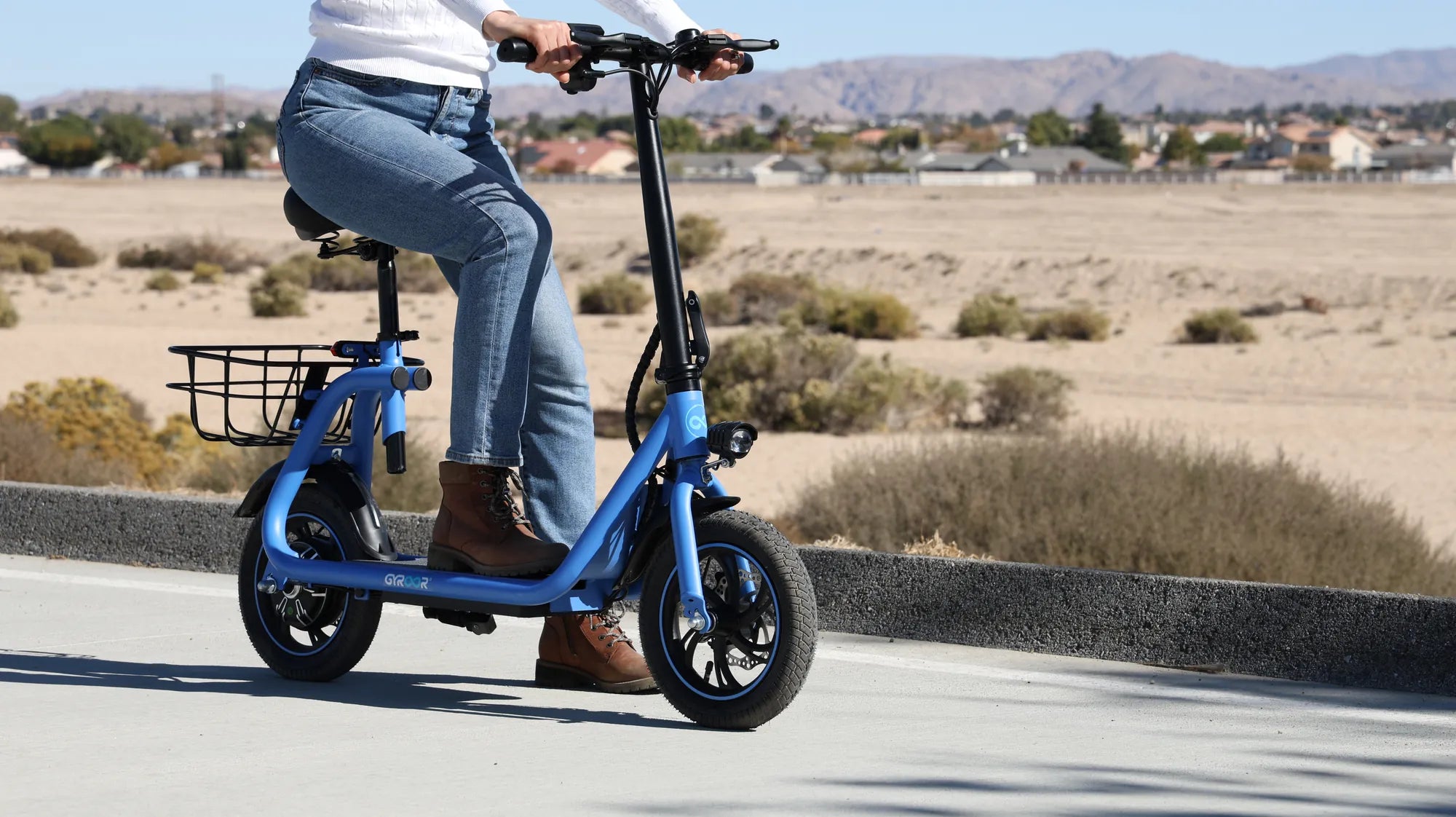
Electric scooters have taken the world by storm, offering a convenient and eco-friendly way to navigate urban landscapes. But before you hop on one, it's crucial to know where they're legally allowed. Laws vary widely from country to country, and even within regions of the same nation. This guide breaks down the legal status of personal electric scooters across the globe, helping you ride with confidence.
Europe: A Mixed Landscape for E-Scooters
Europe presents a patchwork of regulations when it comes to personal electric scooters. Some nations embrace them wholeheartedly, while others impose strict restrictions.
Germany
Germany legalized e-scooters in 2019 with specific requirements. Riders must be at least 14 years old, and scooters are limited to 20 km/h (12 mph). Helmets are recommended but not mandatory. E-scooters are permitted on bike paths and roads but banned from sidewalks.
France
France allows e-scooters with a maximum speed of 25 km/h (15.5 mph). Riders must be at least 12 years old, and helmets are required for those under 18. Scooters are prohibited on sidewalks in urban areas but permitted in bike lanes and roads with speed limits under 50 km/h.
United Kingdom
The UK maintains strict regulations, classifying e-scooters as motor vehicles. Private e-scooters are illegal on public roads, bike lanes, and sidewalks. However, rental schemes operate in certain cities as part of government trials.
North America: Progressive Policies with Local Variations
North American countries generally take a more permissive approach to e-scooters, though regulations differ between nations and municipalities.
United States
The US has no federal law governing e-scooters, leaving regulation to individual states and cities. Most states allow e-scooters with speed limits typically between 15-20 mph. California, for example, permits e-scooters on roads with speed limits up to 25 mph and in bike lanes, but bans them from sidewalks.
Canada
Canada's approach varies by province. Ontario allows e-scooters with a maximum speed of 24 km/h (15 mph) on roads with speed limits up to 50 km/h. Quebec permits them on bike paths and roads with speed limits under 50 km/h but prohibits them on sidewalks.
Asia: Rapid Adoption with Emerging Regulations
Asian nations are quickly adapting to the e-scooter trend, with some countries leading in adoption while others remain cautious.
Japan
Japan classifies e-scooters as motor vehicles, requiring registration, insurance, and a driver's license. However, recent reforms have created a new category for low-speed scooters (under 20 km/h) that don't require a license when used on bike paths.
Singapore
Singapore allows personal mobility devices (PMDs), including e-scooters, with a maximum speed of 25 km/h on cycling paths and park connectors. They're banned from sidewalks and roads. All devices must meet UL2272 fire safety standards.
Australia and New Zealand: Safety-First Approach
Oceania has implemented comprehensive e-scooter regulations with a strong emphasis on safety.
Australia
Australian states have different rules, but generally permit e-scooters with power outputs under 200W and speeds below 25 km/h. Most states require helmets and restrict e-scooters to bike lanes and roads with speed limits under 50 km/h.
New Zealand
New Zealand allows e-scooters with a maximum power output of 300W. They can be ridden on footpaths and bike lanes at speeds up to 15 km/h. Helmets are recommended but not mandatory for riders over 18.
South America: Emerging Markets with Limited Regulations
South American countries are beginning to address e-scooter use as their popularity grows.
Brazil
Brazil has no nationwide e-scooter laws, leaving regulation to municipalities. São Paulo allows e-scooters on bike paths and roads with speed limits under 40 km/h, while Rio de Janeiro permits them on bike paths but bans them from sidewalks.
Argentina
Argentina lacks comprehensive national legislation. Buenos Aires allows e-scooters on bike paths and roads with speed limits under 30 km/h, requiring helmets and reflective vests for night riding.
Middle East: Conservative Policies with Exceptions
Middle Eastern nations generally maintain restrictive policies toward e-scooters, though some are beginning to adapt.
United Arab Emirates
The UAE permits e-scooters in designated areas of Dubai and Abu Dhabi, with speed limits of 20 km/h. Riders must be at least 16 years old and wear helmets. E-scooters are banned from roads with speed limits over 60 km/h.
Israel
Israel allows e-scooters with maximum speeds of 25 km/h on bike paths and roads with speed limits under 50 km/h. Riders must be at least 16 years old, and helmets are mandatory.
Africa: Limited Infrastructure, Growing Interest
African nations are just beginning to address e-scooter regulations as the technology gains popularity.
South Africa
South Africa classifies e-scooters as motor vehicles, requiring registration and licensing. However, enforcement is inconsistent, and many riders use them without proper documentation.
Kenya
Kenya has no specific e-scooter laws, though they're increasingly used in urban areas. The government is considering regulations to address safety concerns.
As e-scooter popularity continues to surge worldwide, regulations are evolving rapidly. What's legal today might change tomorrow, so always check local laws before riding. Whether you're commuting in Berlin or exploring Sydney, understanding the rules ensures you'll enjoy your e-scooter safely and legally wherever your travels take you.
Quality Dark Gray Electric Scooters: The Ultimate Urban Commuting Solution
Luxury Matte Electric Kick Scooters: The Ultimate Urban Commuting Experience