

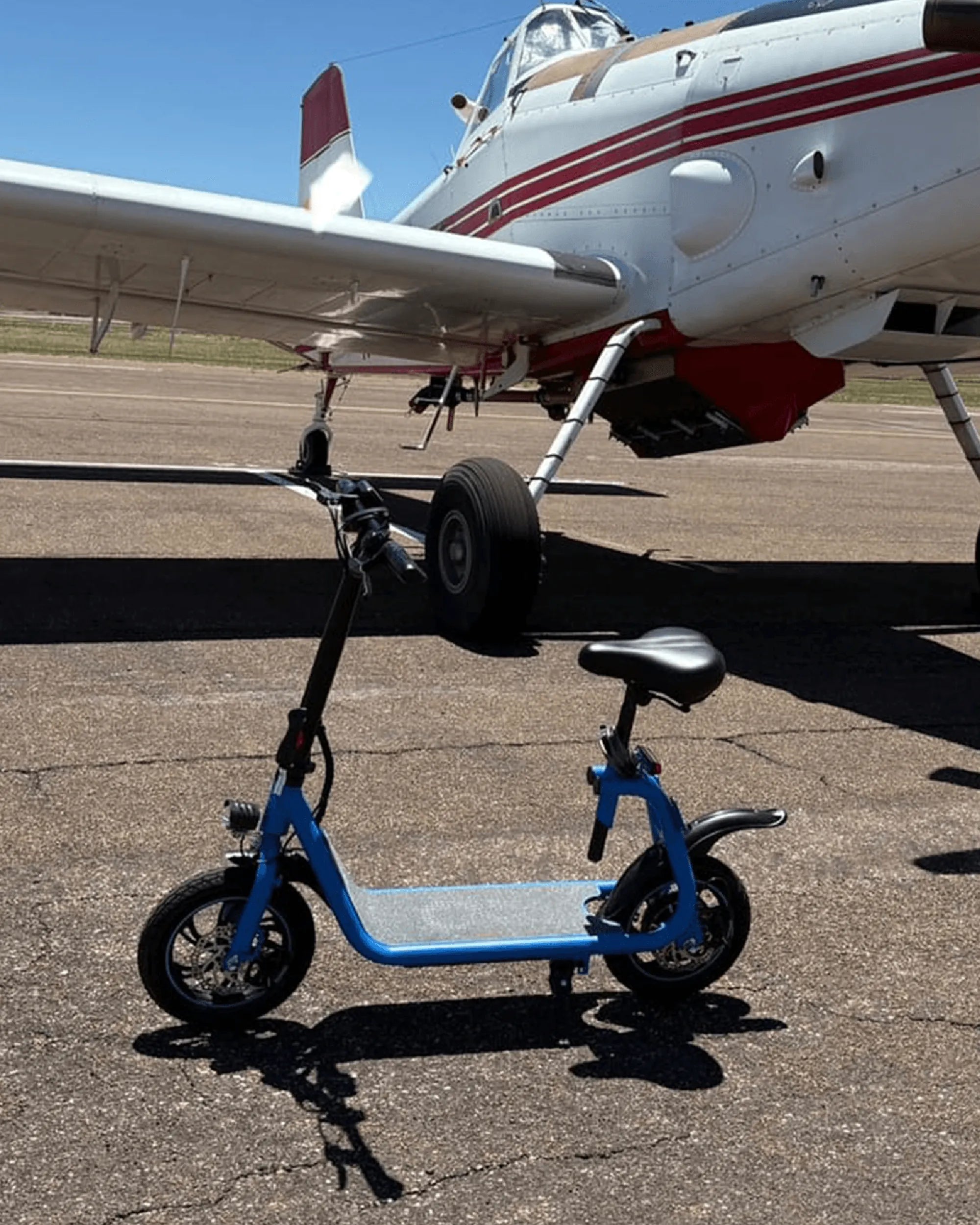
Electric bikes and electric scooters have taken the urban mobility scene by storm, offering eco-friendly alternatives to traditional transportation. But which one is the right choice for you? Whether you're a daily commuter, a weekend adventurer, or just looking for a fun way to get around, this in-depth comparison will help you decide.
Speed and Performance
When it comes to speed, both ebikes and escooters have their advantages. Ebikes typically offer higher top speeds, often reaching up to 28 mph with pedal assistance, making them ideal for longer commutes or hilly terrains. Escooters, on the other hand, usually max out around 15-20 mph but excel in quick acceleration and maneuverability in crowded urban areas.
Range and Battery Life
Range is a critical factor for many riders. Ebikes generally provide a longer range, with some models capable of traveling 50-100 miles on a single charge. This makes them perfect for extended trips or those who don't want to worry about frequent recharging. Escooters tend to have shorter ranges, averaging 15-30 miles, which may require daily charging for regular commuters.
Portability and Storage
If portability is a priority, escooters take the lead. Most models are lightweight and foldable, making them easy to carry onto public transport or store in small apartments. Ebikes, while bulkier, often come with features like removable batteries or folding frames, but they still require more storage space.
Comfort and Riding Experience
Riding comfort is where ebikes shine. With ergonomic seats, suspension systems, and the option to pedal, they provide a more comfortable ride for longer distances. Escooters offer a standing-only experience, which can be tiring over extended periods and less comfortable on rough roads.
Cost and Maintenance
Budget-conscious buyers will find that escooters are generally more affordable upfront, with many quality options available at lower price points. However, ebikes may offer better long-term value due to their durability and versatility. Maintenance costs for both vary, but ebikes often require more frequent servicing due to their complex drivetrains.
Safety Considerations
Safety should never be overlooked. Ebikes often come with better lighting, larger tires, and more stable frames, reducing the risk of accidents. Escooters can be riskier in wet conditions or on uneven surfaces, but their lower speeds and agility help in navigating tight spaces.
Legal and Regulatory Factors
Laws governing ebikes and escooters vary by location. Ebikes are often classified similarly to traditional bicycles, allowing access to bike lanes and paths. Escooters face more restrictions in some areas, with speed limits and designated riding zones enforced more strictly.
Environmental Impact
Both options are far greener than cars, but ebikes have a slight edge due to their energy efficiency and longer lifespan. Escooters, while still eco-friendly, may have higher replacement rates due to their smaller, less durable components.
Versatility and Use Cases
Your lifestyle will heavily influence which option is better. Ebikes are perfect for fitness enthusiasts, long-distance travelers, or those carrying heavy loads. Escooters excel in short urban commutes, last-mile solutions, or for those who prioritize convenience and portability.
Choosing between an ebike and an escooter ultimately depends on your unique needs and preferences. Whether you value speed, comfort, portability, or cost-efficiency, both options offer compelling benefits. Ready to make your move toward greener, smarter transportation? The perfect electric ride is waiting for you.
South Mountain Reservation Mountain Biking: Trails, Tips, and Thrills
South Mountain Reservation Mountain Biking: Trails, Tips, and Thrills