



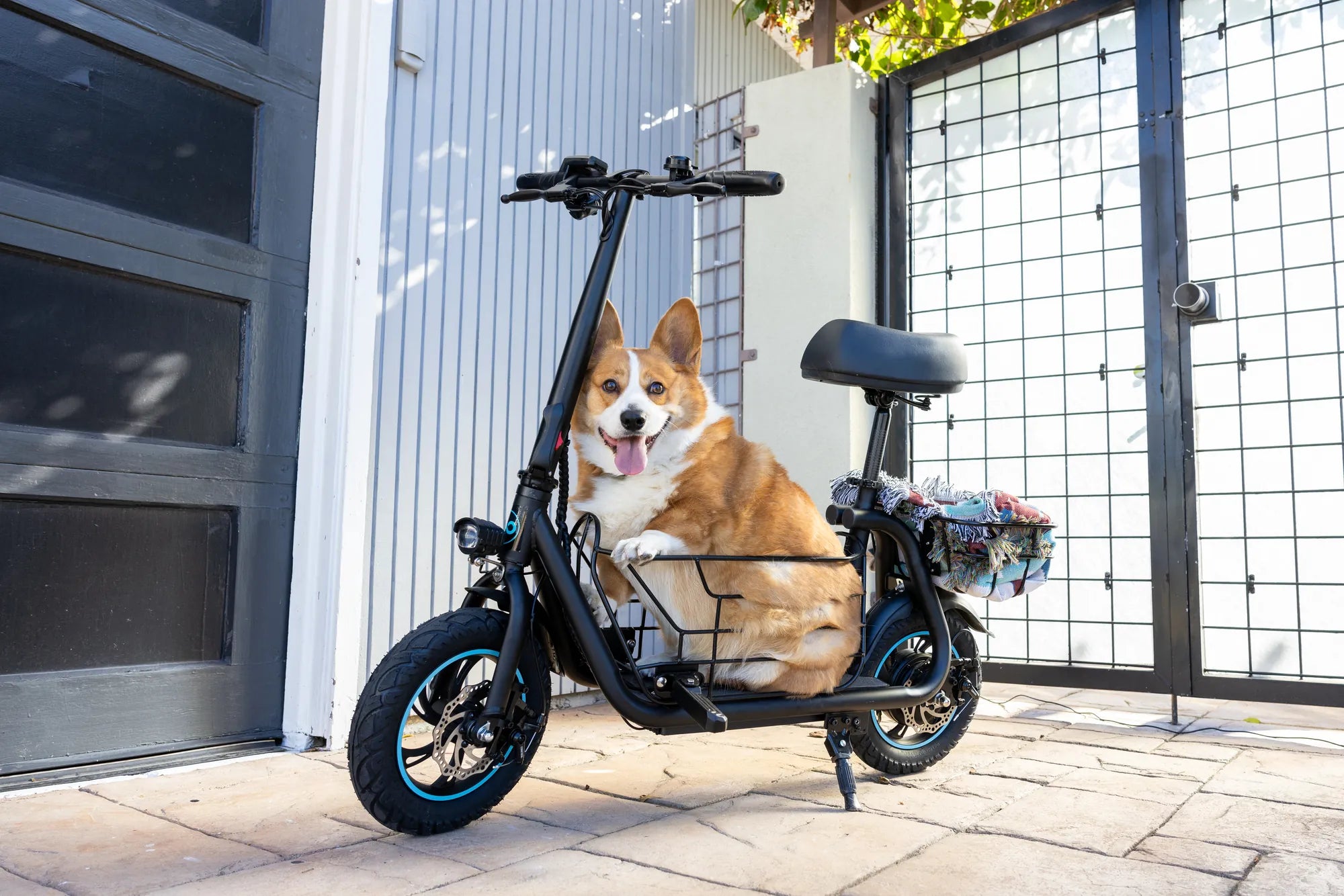
When it comes to personal transportation, scooters have become a popular choice for their convenience, affordability, and efficiency. But the big question remains: which is better, electric or gas scooter? The answer isn't straightforward, as both options have unique advantages and drawbacks. Whether you're a daily commuter, a student, or someone looking for a fun way to get around, understanding the differences between these two types of scooters will help you make an informed decision.
Performance and Speed
Gas scooters are known for their higher top speeds and quicker acceleration. They typically outperform electric scooters in terms of raw power, making them ideal for riders who prioritize speed. However, electric scooters are catching up, with some high-end models offering impressive acceleration and top speeds. The trade-off is that electric scooters often have a limited range compared to gas scooters, which can be refueled in minutes.
Cost and Maintenance
Electric scooters are generally cheaper to maintain than gas scooters. They have fewer moving parts, which means fewer components can break down. There's no need for oil changes, spark plug replacements, or fuel system maintenance. On the other hand, gas scooters require regular upkeep, including engine maintenance and emissions checks. While the upfront cost of an electric scooter might be higher, the long-term savings on fuel and maintenance can make it a more economical choice.
Environmental Impact
If you're environmentally conscious, an electric scooter is the clear winner. They produce zero emissions during operation, making them a greener alternative to gas scooters. Gas scooters, while more efficient than cars, still contribute to air pollution and rely on fossil fuels. However, it's worth noting that the environmental impact of electric scooters depends on how the electricity used to charge them is generated.
Convenience and Range
Gas scooters have the advantage of a longer range and quick refueling. You can fill up at any gas station and be back on the road in minutes. Electric scooters, on the other hand, require charging, which can take several hours depending on the battery capacity. This makes them less convenient for long-distance travel unless you have access to charging stations along your route.
Noise and Comfort
Electric scooters are quieter than gas scooters, which can be a significant advantage if you live in a noise-sensitive area or prefer a peaceful ride. Gas scooters tend to be louder due to their internal combustion engines. Additionally, electric scooters often provide a smoother ride since they don't have the vibrations associated with gas engines.
Legal and Regulatory Considerations
Depending on where you live, there may be different regulations for electric and gas scooters. Some cities have restrictions on gas-powered vehicles due to noise and emissions, while others may require special licenses or registrations for electric scooters. Always check local laws before making a purchase to ensure compliance.
So, which is better, electric or gas scooter? The answer depends on your priorities. If you value speed, range, and quick refueling, a gas scooter might be the right choice. But if you prefer lower maintenance costs, environmental benefits, and a quieter ride, an electric scooter could be the way to go. Weigh the pros and cons carefully to find the perfect fit for your lifestyle and needs.
Best Electric Scooter for Women in India: Top Picks for Comfort and Safety
Should You Ride an Electric Scooter in the Rain? Safety Tips and Risks