

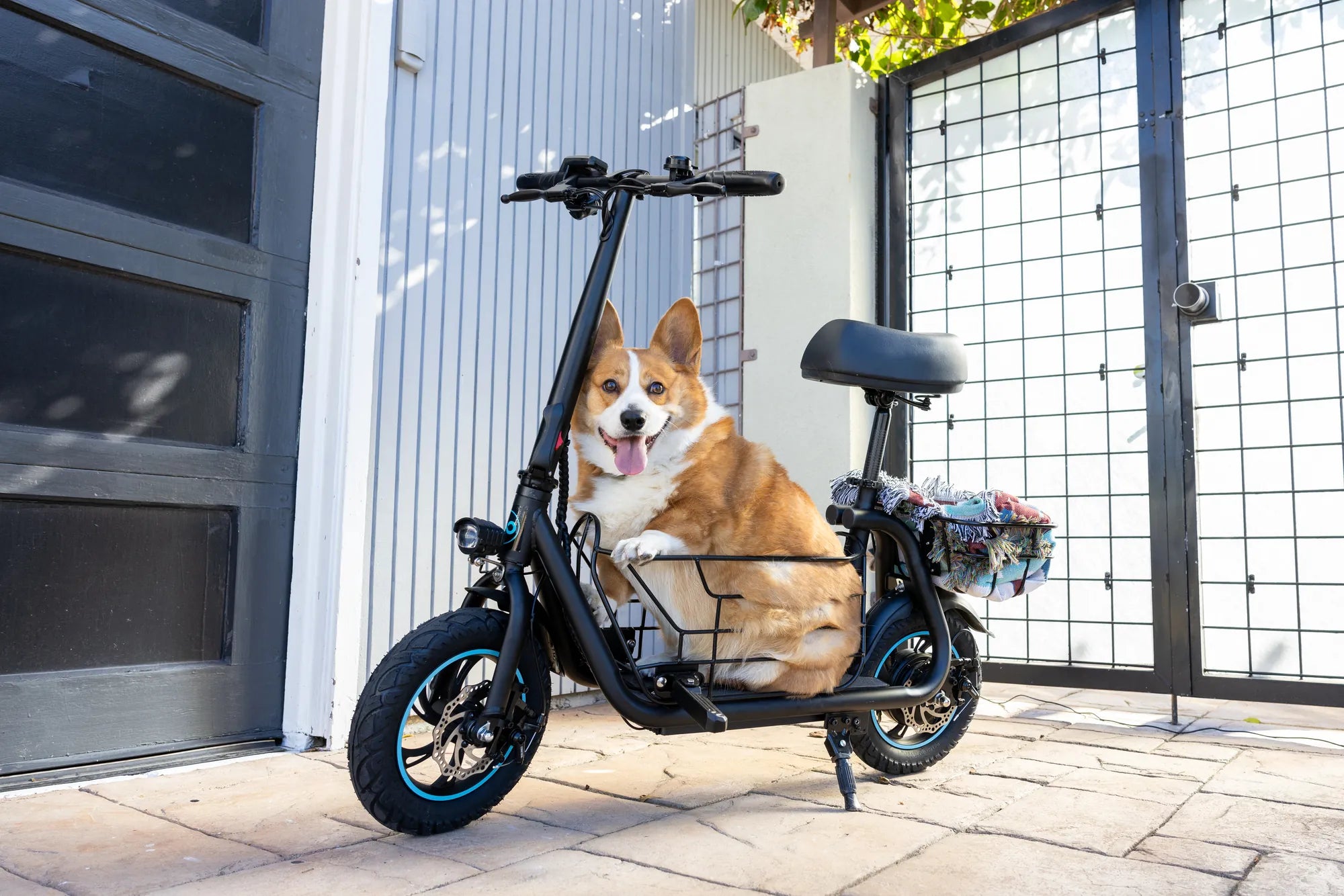
When it comes to urban commuting, speed is a major factor in choosing between a bike and an electric scooter. Both options have their pros and cons, but which one gets you to your destination faster? Let’s dive into the details to settle the debate once and for all.
Speed Capabilities of Bikes
Bikes, whether traditional or electric, have been a staple of urban transportation for decades. A typical cyclist can maintain an average speed of 10-15 mph (16-24 km/h) on flat terrain. Experienced riders can push this to 20 mph (32 km/h) or more, especially with lightweight road bikes. However, speed heavily depends on the rider’s fitness level, terrain, and traffic conditions.
Speed Capabilities of Electric Scooters
Electric scooters, on the other hand, are designed for convenience and speed. Most models can reach speeds of 15-20 mph (24-32 km/h), with high-performance versions hitting 30 mph (48 km/h) or more. Unlike bikes, electric scooters don’t rely on human power, making them a consistent and effortless option for commuters.
Factors Affecting Speed
Several factors influence the speed of both bikes and electric scooters:
- Terrain: Hills and rough surfaces slow down bikes more than electric scooters.
- Traffic: Scooters can navigate through tight spaces, while bikes may get stuck in congestion.
- Battery Life: Electric scooters lose speed as the battery drains, while bikes rely on endurance.
- Weight: Heavier riders may experience slower speeds on both devices.
Which Is Faster in Real-World Conditions?
In urban settings, electric scooters often have the edge due to their ability to accelerate quickly and maintain consistent speeds. Bikes may outperform scooters on open roads or bike lanes where riders can pedal at full capacity. However, for short commutes with frequent stops, electric scooters are generally faster.
Safety Considerations
Speed isn’t the only factor to consider. Safety plays a crucial role in choosing between a bike and an electric scooter. Bikes offer better stability and control at higher speeds, while scooters are more prone to accidents due to their smaller wheels and lower weight.
Environmental Impact
Both bikes and electric scooters are eco-friendly alternatives to cars. Bikes produce zero emissions, while electric scooters have a minimal carbon footprint if charged using renewable energy. Your choice may depend on your environmental priorities.
Cost Comparison
Bikes are generally cheaper upfront but require maintenance like tire changes and chain lubrication. Electric scooters have higher initial costs but lower maintenance needs. Over time, the cost difference may balance out.
Final Verdict
If speed is your top priority, electric scooters are the clear winner for most urban commutes. However, bikes offer a more versatile and sustainable option for those willing to put in the effort. The best choice depends on your specific needs and preferences.
Ready to make your decision? Whether you choose a bike or an electric scooter, you’re opting for a faster, greener way to navigate the city. The race is on—pick your ride and hit the road!
High Quality 1000W Fat Tire Electric Scooter: The Ultimate Urban Commuter
Why Does My Electric Scooter Turn Off Randomly: Common Causes and Fixes