


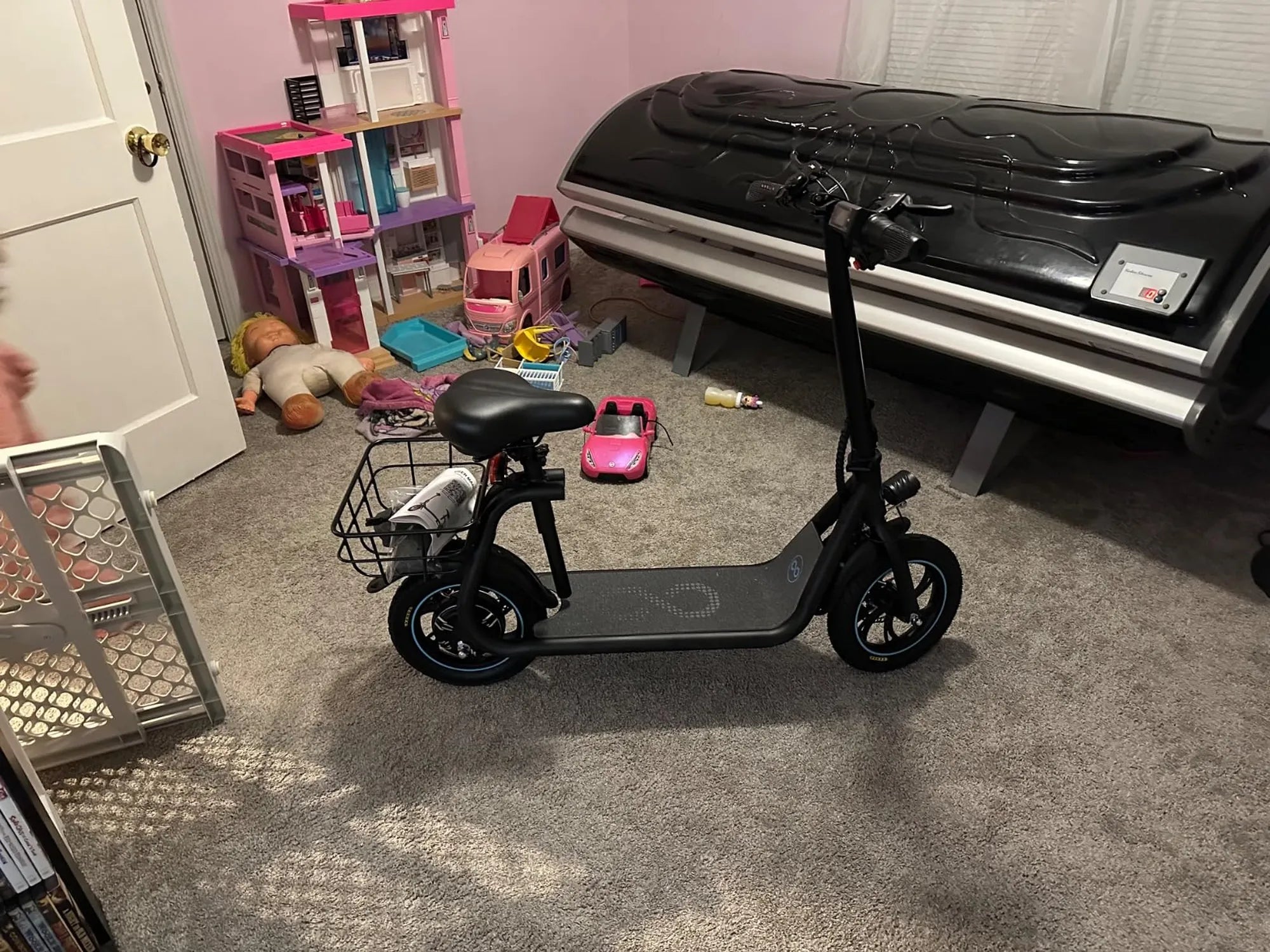
Electric scooters seem to be everywhere these days—zipping down sidewalks, parked on street corners, and even abandoned in odd places. But why are there so many electric scooters suddenly? The answer lies in a mix of technological innovation, urban planning challenges, and shifting consumer preferences. Let’s dive into the factors fueling this two-wheeled revolution.
The Convenience Factor
One of the biggest reasons for the surge in electric scooters is their sheer convenience. Unlike cars or even bicycles, scooters are lightweight, portable, and easy to use. They’re perfect for short trips, like commuting to work or running errands, without the hassle of parking or traffic. With just a few taps on a smartphone, riders can unlock a scooter and be on their way in seconds.
Affordability and Accessibility
Electric scooters are relatively affordable compared to other modes of transportation. Many cities offer scooter-sharing programs, allowing users to rent them for a fraction of the cost of a taxi or ride-hailing service. This makes them an attractive option for budget-conscious commuters, students, and tourists alike.
Environmental Benefits
As cities grapple with pollution and climate change, electric scooters present a greener alternative to gas-guzzling vehicles. They produce zero emissions and consume far less energy than cars. For eco-conscious riders, scooters offer a way to reduce their carbon footprint while getting around town.
Urbanization and Traffic Congestion
With more people moving into cities, traffic congestion has become a major issue. Electric scooters help alleviate this problem by taking up less space and reducing the number of cars on the road. They’re especially useful for last-mile
transportation—bridging the gap between public transit stops and final destinations.
Technological Advancements
Advances in battery technology and motor efficiency have made electric scooters more reliable and longer-lasting. Modern scooters can travel farther on a single charge, making them a practical choice for daily use. Additionally, GPS and app-based systems have streamlined rentals and tracking, enhancing the user experience.
Regulatory Support and Infrastructure
Many cities have embraced electric scooters by creating dedicated lanes and parking zones. Governments recognize their potential to reduce traffic and pollution, leading to supportive regulations. This has encouraged more companies to enter the market, further increasing the number of scooters available.
The Pandemic Effect
The COVID-19 pandemic accelerated the adoption of electric scooters as people sought safer, socially distanced transportation options. Public transit usage dropped, and scooters filled the void, offering a contactless way to travel.
Challenges and Controversies
Despite their benefits, electric scooters aren’t without issues. Safety concerns, sidewalk clutter, and accidents have sparked debates about their role in cities. However, as regulations evolve and infrastructure improves, these challenges are being addressed.
From reducing traffic to cutting emissions, electric scooters are reshaping how we move through cities. Whether you love them or hate them, one thing’s clear—they’re here to stay. So next time you see a fleet of scooters lining the sidewalk, you’ll know exactly why there are so many of them.
Best E-Scooter 300 Pounds: Top Picks for Budget-Friendly Commutes
Electric Scooter Is It Worth It: A Comprehensive Guide to Making the Right Choice