


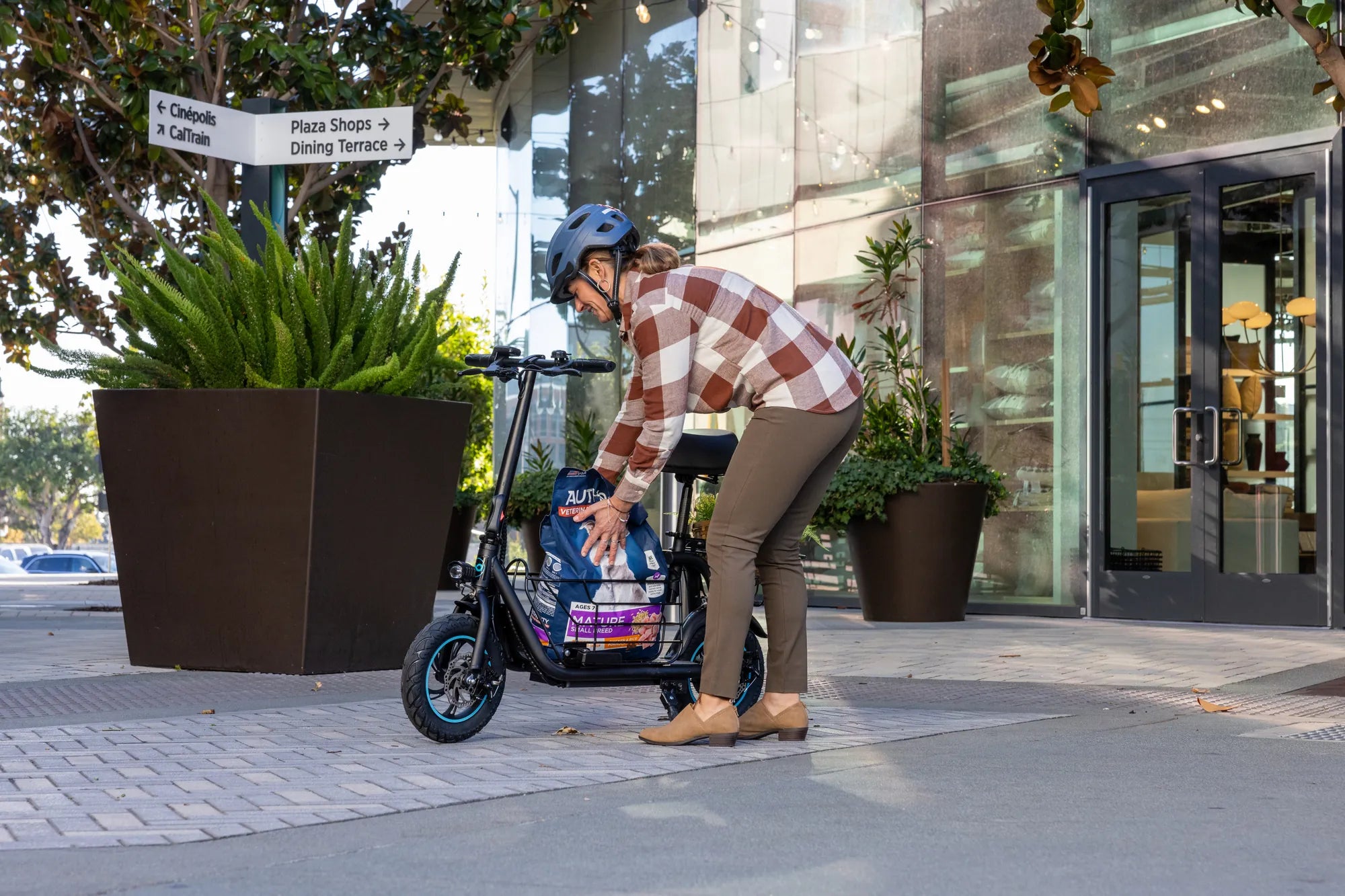
Electric scooters zip through city streets, offering a quick and eco-friendly way to get around. Yet, despite their two-wheeled design and shared use of bike lanes in some areas, they aren’t classified as bicycles. The reasons behind this distinction are rooted in legal definitions, safety considerations, and the unique challenges e-scooters present to urban infrastructure.
Legal Definitions and Regulatory Frameworks
Bicycles and electric scooters fall under different legal categories in most jurisdictions. Bikes are typically defined as human-powered vehicles with pedals, while e-scooters rely on electric motors. This fundamental difference affects how they are regulated. Many regions classify e-scooters as "powered mobility devices," subjecting them to rules closer to those governing mopeds or motorcycles rather than bicycles.
Speed and Power Differences
Electric scooters often have higher top speeds than traditional bicycles, especially when powered by motors exceeding certain wattage limits. This raises safety concerns, as faster-moving vehicles require stricter regulations. Some cities cap e-scooter speeds or restrict their use on sidewalks to prevent accidents, while bicycles are generally permitted in bike lanes and shared paths without such limitations.
Safety Concerns and Accident Rates
Studies have shown that e-scooters are involved in a higher rate of accidents per mile traveled compared to bicycles. Factors like smaller wheels, less stability, and inexperienced riders contribute to this trend. Lawmakers often argue that classifying e-scooters separately allows for targeted safety measures, such as mandatory helmet laws or geofencing to control speed in pedestrian-heavy areas.
Infrastructure and Urban Planning Challenges
Bike lanes were designed with traditional bicycles in mind, not motorized scooters. The sudden influx of e-scooters has forced cities to rethink infrastructure. Some municipalities have created separate scooter lanes or imposed parking restrictions to prevent clutter. These adjustments highlight the need for distinct classifications to manage different types of micro-mobility vehicles effectively.
Insurance and Liability Issues
Unlike bicycles, e-scooters often require insurance coverage due to their motorized nature. Riders may be held to stricter liability standards in case of accidents, similar to drivers of motor vehicles. This legal distinction reinforces why e-scooters aren’t simply lumped in with bikes—their potential for higher-risk incidents demands a separate regulatory approach.
Environmental Impact and Public Perception
While both bikes and e-scooters are greener alternatives to cars, public perception of their safety and convenience varies. E-scooters face criticism for cluttering sidewalks and being discarded improperly, whereas bicycles are more widely accepted as part of sustainable urban transport. These societal attitudes influence how lawmakers choose to classify and regulate each mode of transportation.
Electric scooters may resemble bicycles at a glance, but their legal and practical differences are too significant to ignore. From speed limits to liability concerns, the debate over e-scooter classification reflects broader challenges in adapting urban mobility to new technologies. As cities evolve, so too will the rules governing these convenient yet controversial vehicles.
Do I Need a License to Drive an Electric Bike? The Ultimate Guide
How to Remove Electric Bike Battery: A Step-by-Step Guide