


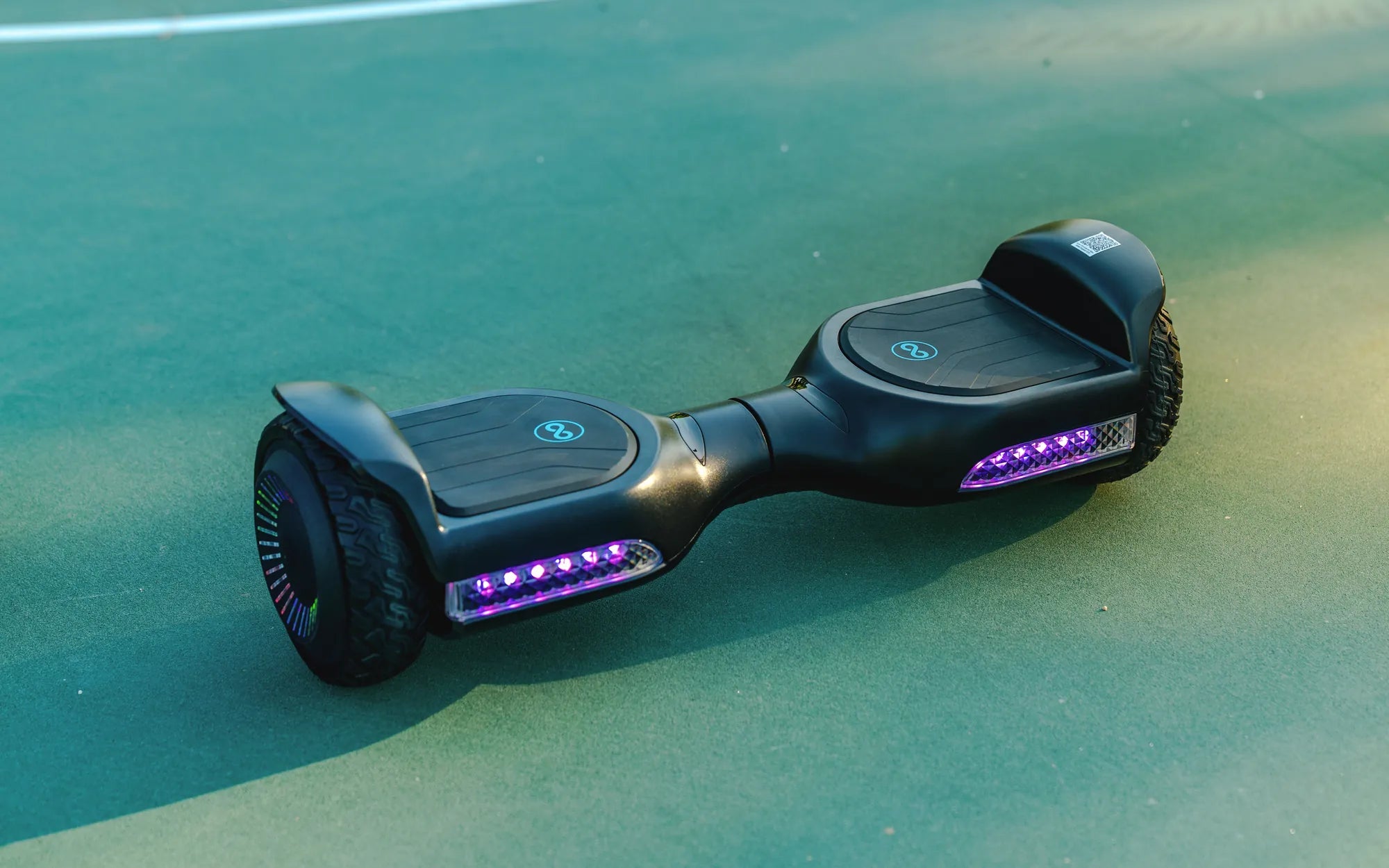
Remember when hoverboards were the hottest trend, promising to zip us into a futuristic world of effortless mobility? For a brief moment, these self-balancing scooters seemed like the next big thing—until they weren't. So, what went wrong? Let's dive into the reasons why hoverboards failed to live up to the hype.
The Safety Crisis That Grounded Hoverboards
One of the biggest factors in the downfall of hoverboards was safety. Reports of devices catching fire due to faulty lithium-ion batteries made headlines worldwide. Videos of hoverboards exploding or bursting into flames went viral, sparking widespread panic. Airlines banned them, retailers pulled them from shelves, and consumers grew wary. The lack of stringent safety standards in early manufacturing processes turned a cool gadget into a potential hazard.
Legal and Regulatory Roadblocks
Governments and regulatory bodies quickly stepped in as hoverboards gained notoriety for safety issues. Many cities and countries classified them as motorized vehicles, requiring licenses or banning them outright from sidewalks and roads. The legal gray area surrounding their use made them impractical for daily commuting, further diminishing their appeal.
Market Saturation and Cheap Knockoffs
The hoverboard market was flooded with low-quality imitations. As demand surged, countless manufacturers rushed to produce cheaper versions with subpar components. This led to inconsistent performance, poor durability, and a tarnished reputation for the entire product category. Consumers who bought budget models often ended up with malfunctioning or unsafe devices, eroding trust in hoverboards as a whole.
The High Price Tag for a Novelty Item
While cheap knockoffs were a problem, premium hoverboards also struggled. Their high price—often hundreds of dollars—made them a luxury rather than a practical purchase. Many buyers saw them as fun toys rather than essential transportation, limiting their long-term market potential. When the novelty wore off, sales plummeted.
Limited Functionality and Practicality
Hoverboards were fun, but they weren't particularly practical. They had limited range, couldn't handle rough terrain, and required smooth surfaces to operate effectively. Unlike bicycles or electric scooters, they offered no storage or seating, making them impractical for errands or longer commutes. Once the initial excitement faded, many users found them more cumbersome than convenient.
The Rise of Better Alternatives
As hoverboards declined, other personal electric vehicles surged in popularity. Electric scooters and e-bikes offered greater speed, range, and utility, making them more appealing for urban commuters. These alternatives also benefited from clearer regulations and better infrastructure support, leaving hoverboards in the dust.
Cultural Fad Fatigue
Hoverboards became a cultural phenomenon overnight, thanks to celebrity endorsements and viral videos. But like many fads, their popularity was fleeting. Once the trend passed, demand evaporated. The lack of sustained innovation or compelling new features meant hoverboards couldn't transition from a passing craze to a lasting product category.
Hoverboards may have fizzled out, but their legacy lives on as a cautionary tale about hype, safety, and market dynamics. Could they make a comeback with better tech and smarter regulations? Only time will tell—but for now, they remain a fascinating footnote in the history of futuristic gadgets.
Hoverboards That Don't Blow Up: The Ultimate Guide to Safe Riding
Are Hoverboards Good Exercise? Exploring the Fitness Benefits of Self-Balancing Scooters