



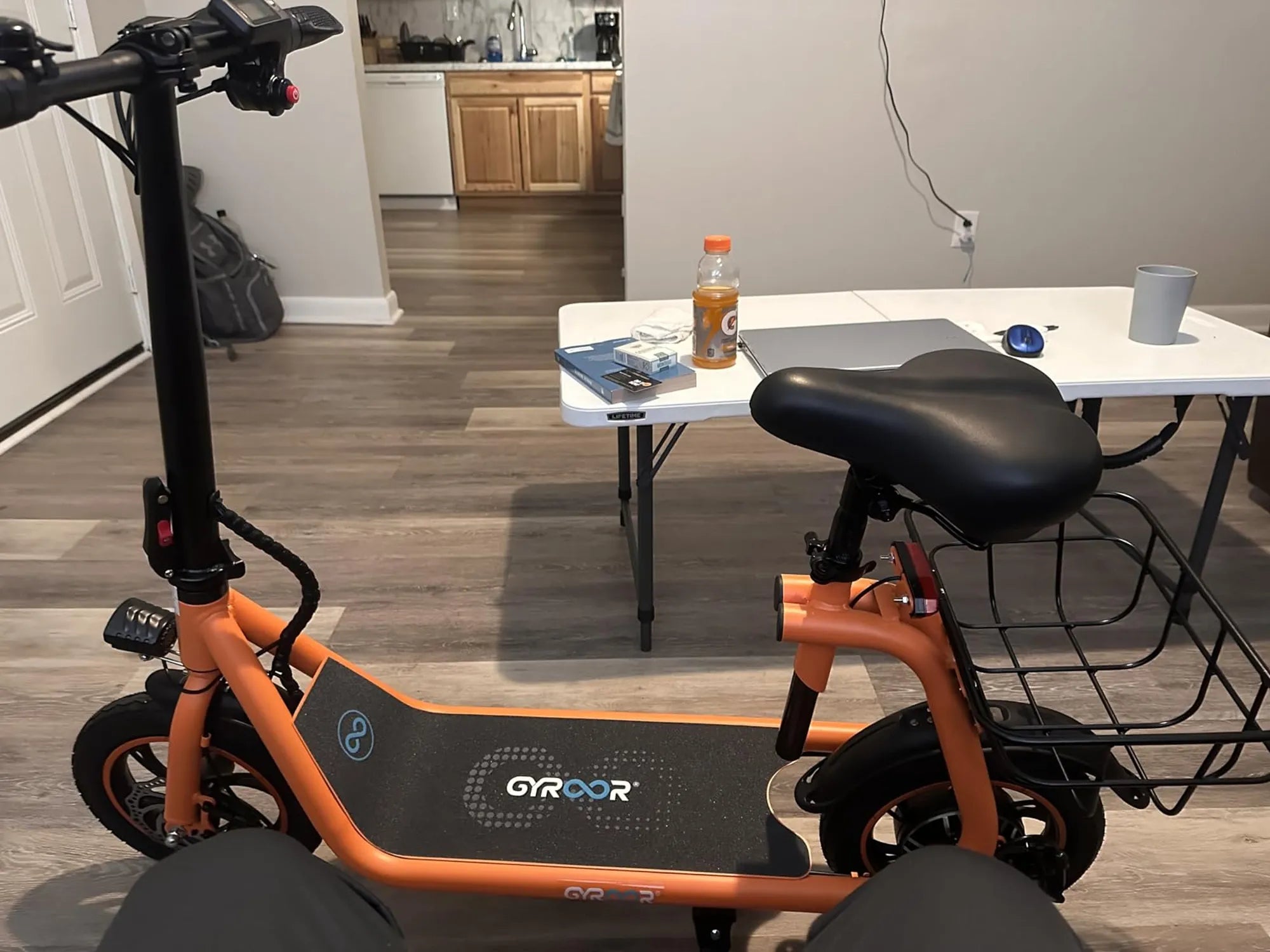
Electric scooters have taken urban areas by storm, offering a convenient and eco-friendly way to zip through traffic. But despite their growing popularity, many cities have strict laws prohibiting their use. Why is it illegal to ride an electric scooter in some places? The answer involves a mix of safety concerns, legal gray areas, and regulatory challenges.
Safety Risks and Public Concerns
One of the biggest reasons electric scooters face bans is safety. Unlike bicycles or cars, e-scooters occupy an ambiguous space in traffic laws. Riders often weave between pedestrians and vehicles, increasing the risk of accidents. Studies show that e-scooter-related injuries have spiked in cities where they are widely used, leading to hospitalizations and even fatalities.
Many cities argue that e-scooters lack proper safety features, such as turn signals, mirrors, or helmets (which are rarely worn by riders). The small wheels and high speeds make them unstable on uneven surfaces, contributing to falls and collisions. Without clear regulations, local governments often resort to outright bans to protect public safety.
Legal Gray Areas and Classification Issues
Another major hurdle is the legal classification of electric scooters. Are they motor vehicles, bicycles, or something else? Most traffic laws were written long before e-scooters existed, leaving them in a regulatory limbo. Some jurisdictions treat them like motorcycles, requiring licenses, registration, and insurance—barriers that make casual use impractical.
In other areas, e-scooters fall under the same rules as bicycles, but their higher speeds (often 15–20 mph) create conflicts with slower-moving traffic. Without dedicated lanes or clear right-of-way rules, e-scooters can disrupt the flow of both pedestrians and cars, prompting cities to outlaw them altogether.
Sidewalk Clutter and Nuisance Complaints
Beyond safety and legal issues, electric scooters have drawn ire for clogging sidewalks and public spaces. Dockless rental scooters, in particular, are often left haphazardly parked, blocking pathways and creating tripping hazards. This has led to complaints from pedestrians, business owners, and disability advocates, pushing cities to impose bans or strict storage rules.
Some cities have tried to mitigate these problems with designated parking zones or fines for improper parking, but enforcement is difficult. When nuisance complaints outweigh the benefits, local governments may decide that banning e-scooters is the simplest solution.
The Future of Electric Scooter Laws
As e-scooter technology evolves, so too might the laws governing them. Some cities are experimenting with pilot programs to integrate scooters safely, such as lowering speed limits, requiring helmets, or creating scooter-only lanes. Others are updating traffic codes to clearly define where and how e-scooters can operate.
For now, the legality of riding an electric scooter depends largely on where you live. Before hopping on one, check local regulations to avoid fines or confiscation. The debate over e-scooters is far from over—will your city embrace them or keep them off the streets?
Love them or hate them, electric scooters aren’t disappearing anytime soon. Whether they’ll gain legal acceptance, however, hinges on solving the safety, regulatory, and public nuisance challenges that currently keep them outlawed in many areas. The next time you see an e-scooter, ask yourself: Should it be allowed, and under what rules?
Which Is the Top Selling Electric Scooter? Exploring the Best Options
Which Is the Top Selling Electric Scooter? Exploring the Best Options