


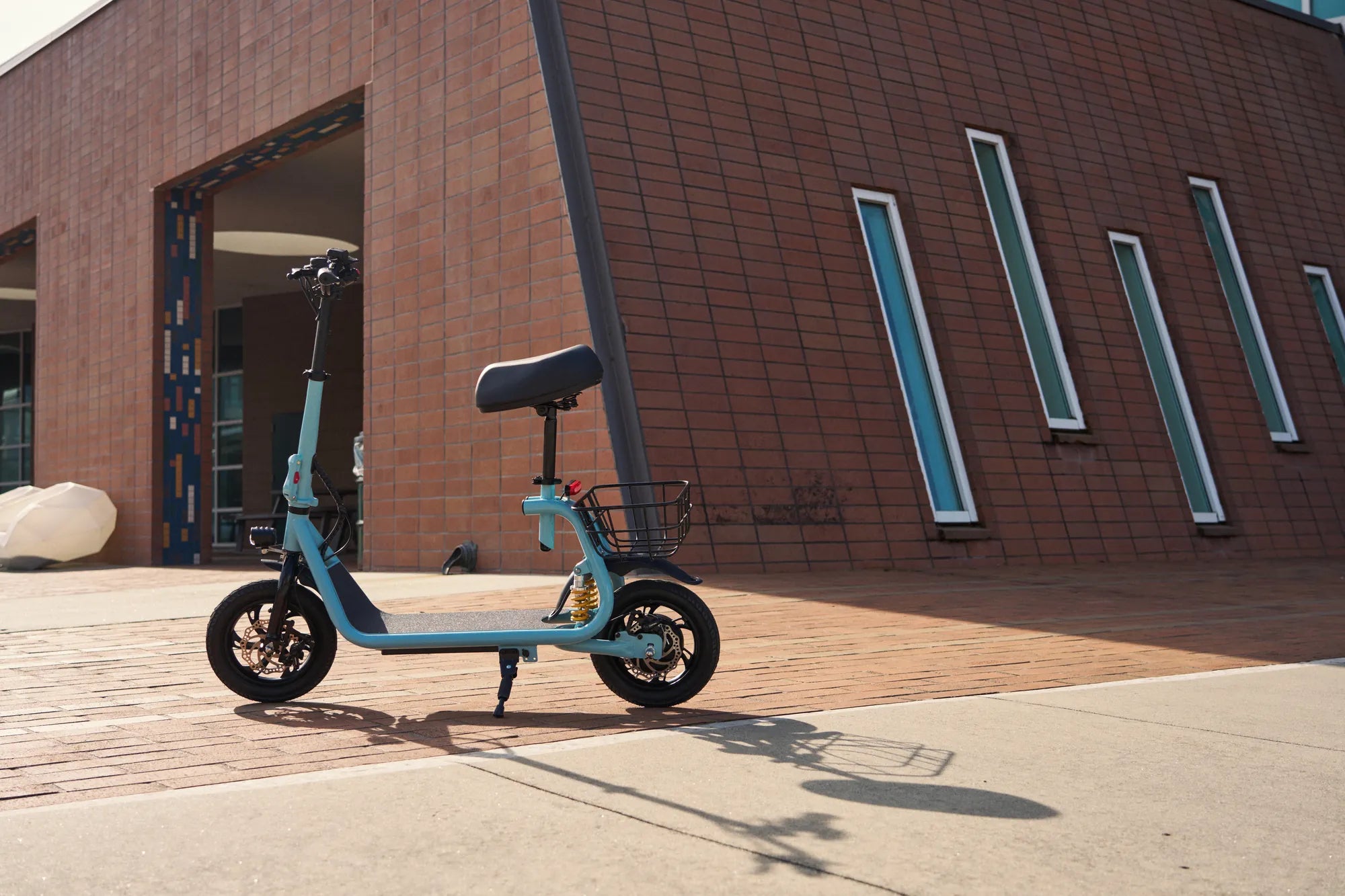
Nothing ruins a peaceful ride like an annoying creaking sound coming from your electric scooter. Whether it's a faint squeak or a loud groan, these noises can be frustrating and may indicate underlying issues. But don't worry—most creaking problems are easy to diagnose and fix with a little know-how. Let's dive into the most common reasons your electric scooter is making noise and how to silence it for good.
Loose Bolts and Fasteners
One of the most frequent culprits behind a creaking electric scooter is loose bolts and fasteners. Over time, vibrations from riding can cause nuts and screws to loosen, leading to metal-on-metal friction that produces creaking sounds.
- Check the stem and handlebars: These areas experience a lot of movement and are prone to loosening.
- Inspect the folding mechanism: If your scooter folds, ensure all locking mechanisms are tight.
- Tighten wheel and brake bolts: Loose wheel axles or brake calipers can also cause noise.
Use a wrench or Allen key to tighten any loose components, but avoid over-tightening, as this can strip threads or damage parts.
Worn or Dry Bearings
Bearings play a crucial role in smooth wheel rotation, but they can wear out or dry up over time. When bearings lose lubrication or become damaged, they produce grinding or creaking noises.
How to check: Lift your scooter and spin the wheels. If they don't rotate smoothly or make noise, the bearings may need attention.
Solution: Clean and lubricate the bearings with a suitable grease. If they're severely worn, replacement may be necessary.
Suspension Issues
If your electric scooter has a suspension system, creaking could stem from worn or dirty shock absorbers or springs. Dirt and debris can accumulate in the suspension joints, causing friction and noise.
- Clean the suspension components with a damp cloth.
- Apply a silicone-based lubricant to moving parts.
- Check for visible damage or wear on springs and bushings.
Frame and Body Flex
Some creaking noises come from the scooter's frame itself, especially if it's made of aluminum or other lightweight materials. Flexing under weight can cause joints and welds to produce noise.
What to do: Inspect the frame for cracks or stress points. If the noise persists but no damage is visible, applying thread-locking compound to bolts may help reduce movement.
Tire and Wheel Problems
Underinflated tires or misaligned wheels can also contribute to creaking sounds. Uneven pressure or improper alignment puts extra strain on the scooter's structure.
- Ensure tires are inflated to the recommended PSI.
- Check for debris stuck in the wheel or tire tread.
- Verify that wheels spin straight without wobbling.
Brake System Noise
If the creaking occurs when braking, the issue likely lies in the brake system. Disc brakes can squeak when dirty or misaligned, while drum brakes may creak if internal components are worn.
Fix: Clean brake rotors and pads with isopropyl alcohol, adjust caliper alignment, or replace worn brake components if necessary.
Preventive Maintenance Tips
Regular maintenance can prevent most creaking issues before they start. Follow these tips to keep your electric scooter running quietly:
- Lubricate moving parts every few months.
- Periodically check and tighten all fasteners.
- Clean your scooter after riding in wet or dirty conditions.
- Store your scooter in a dry place to avoid rust and corrosion.
Creaking noises don't have to ruin your electric scooter experience. By identifying the source of the sound and taking the right steps, you can enjoy a smooth, silent ride every time. Don't ignore persistent noises—addressing them early can prevent more serious damage down the road.
E Scooter 2900: The Future of Urban Mobility and Sustainable Transportation
Electric Bike 48V for Adults: The Ultimate Guide to Power and Performance