


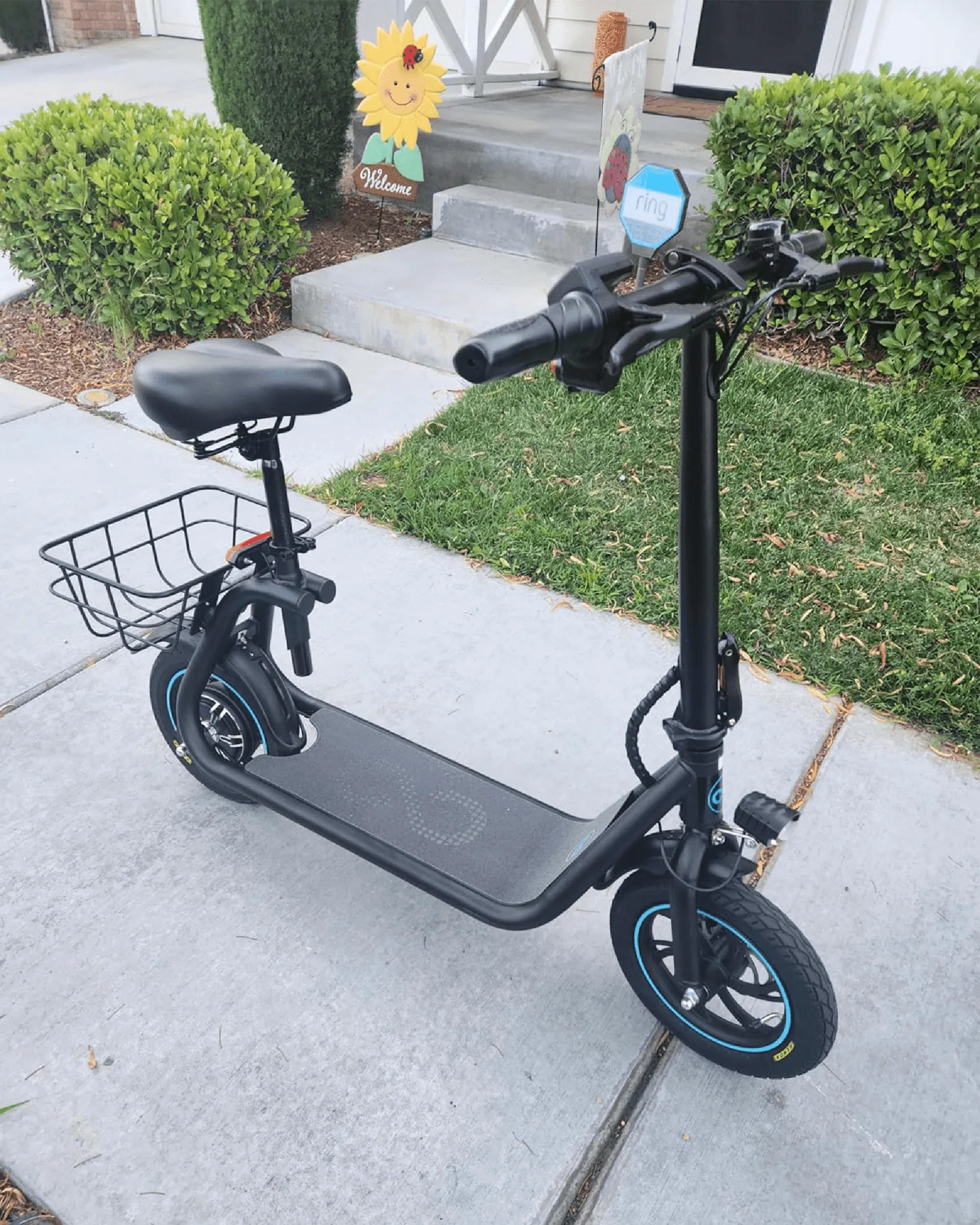
Nothing ruins a day faster than hopping on your electric scooter only to find it won't start. Whether you rely on it for commuting or just enjoy cruising around, a non-functional scooter can be frustrating. But before you panic or call for repairs, let's explore the most common reasons why your electric scooter might not be working and how you can troubleshoot them.
Battery Issues
The battery is often the culprit when an electric scooter fails to work. Here are some potential battery-related problems:
- Dead Battery: If your scooter won't turn on at all, the battery might be completely drained.
- Loose Connections: Check if the battery is properly connected to the scooter.
- Charging Problems: The charger or charging port might be faulty.
- Battery Age: Over time, batteries lose their capacity to hold a charge.
To troubleshoot battery issues, first try charging your scooter for the recommended time. If it still doesn't work, inspect the connections and look for any visible damage to the battery or charging port.
Power Switch or Ignition Problems
Sometimes the issue is as simple as the power switch not working properly:
- The switch might be stuck or damaged
- Water damage could affect the electrical components
- Wiring might have come loose
Try turning the scooter on and off several times. If you hear any clicking sounds or notice intermittent power, there might be an issue with the ignition system.
Motor Malfunctions
The motor is the heart of your electric scooter. Common motor problems include:
- Overheating from prolonged use
- Water damage from riding in wet conditions
- Worn-out brushes in brushed motors
- Controller failure
If your scooter makes unusual noises when trying to start or moves jerkily, the motor might be the issue. Professional repair is often needed for motor problems.
Brake System Interference
Many electric scooters have safety features that prevent operation if the brakes are engaged or malfunctioning:
- Check if the brake levers are fully released
- Inspect brake sensors for proper operation
- Look for damaged brake cables
Sometimes simply adjusting the brake tension can resolve this issue.
Software or Controller Problems
Modern electric scooters often have computer systems that can malfunction:
- Try resetting the scooter's system
- Check for error codes on the display
- Look for loose connections to the controller
A factory reset might solve software glitches, but controller hardware issues typically require professional service.
Physical Damage
Inspect your scooter for any visible damage that might be causing problems:
- Cracked or damaged wiring
- Broken connectors
- Impact damage from accidents or falls
- Corrosion from water exposure
Even minor damage can cause major electrical problems, so examine your scooter carefully.
Environmental Factors
Extreme conditions can affect your scooter's performance:
- Cold temperatures can reduce battery efficiency
- Humidity and water exposure can cause electrical issues
- Dust and dirt can clog moving parts
Store your scooter in a dry, temperature-controlled environment when not in use.
When to Seek Professional Help
While many issues can be fixed at home, some problems require expert attention:
- If you smell burning or see smoke
- When there's visible damage to electrical components
- If the problem persists after basic troubleshooting
- For warranty-covered repairs
Don't risk further damage by attempting complex repairs without proper knowledge.
A non-working electric scooter doesn't have to mean the end of your ride. By systematically checking these common issues, you can often identify and fix the problem yourself. Remember that regular maintenance can prevent many of these issues from occurring in the first place. Keep your scooter clean, store it properly, and address minor issues before they become major problems. With a little troubleshooting know-how, you'll be back on the road in no time!
Pink Electric Trike: The Ultimate Blend of Style, Fun, and Eco-Friendly Commuting
Fat Tire Step Through Electric Bike: The Ultimate Guide to Comfort and Performance