


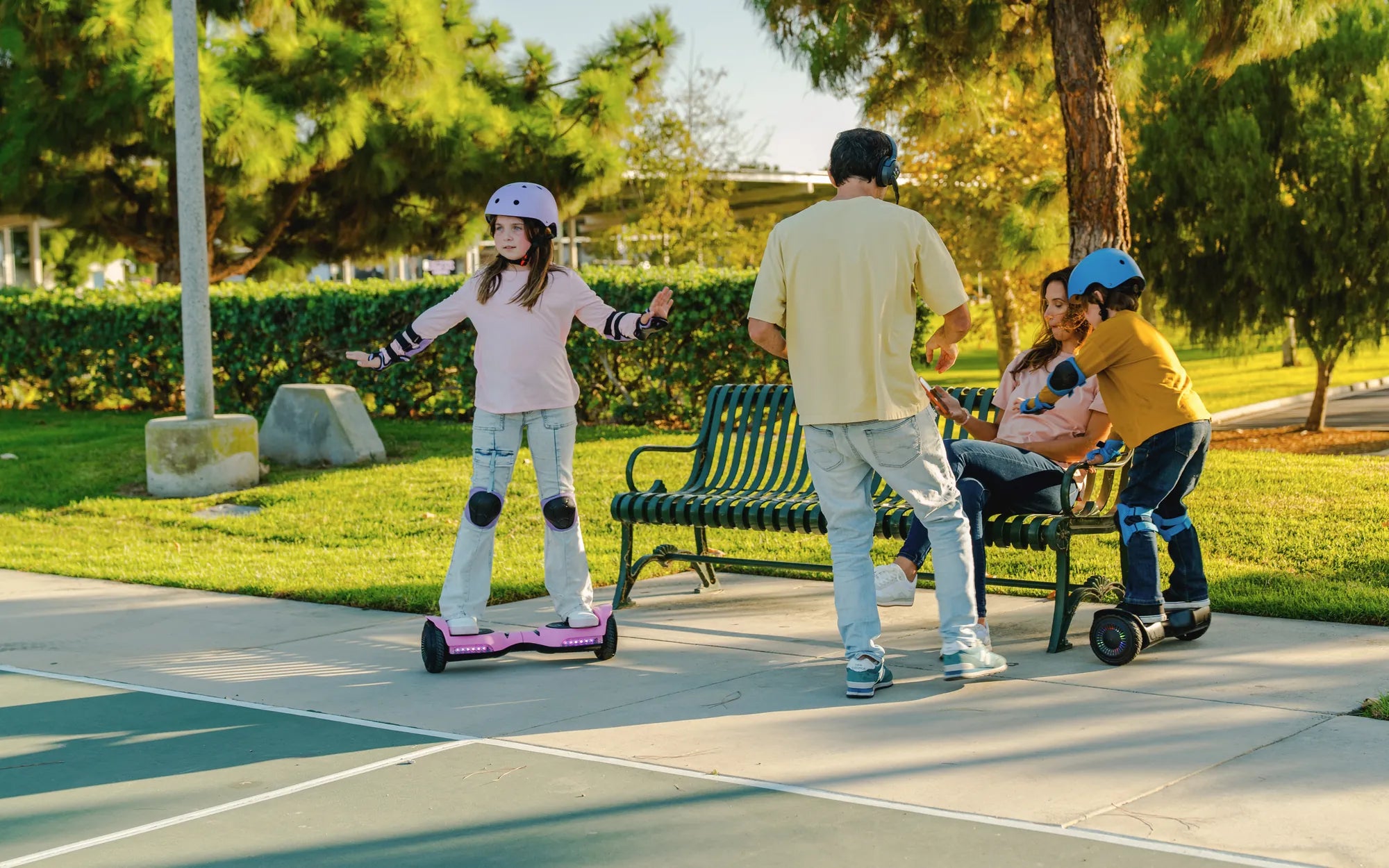
Choosing the right scooter for your child involves more than just picking a color. The deck width is a critical, often overlooked factor that directly influences safety, stability, and long-term enjoyment. This guide will provide you with everything you need to know about wide scooters for kids, from the engineering behind their stability to practical maintenance tips. You'll learn how a wider base builds rider confidence, what key features to look for, and how to establish safe riding habits that last a lifetime.
Why a Wide Scooter is a Game-Changer for Young Riders
A standard kids' scooter often features a narrow deck, which can feel unstable and intimidating for beginners. A wide scooter for kids fundamentally changes this experience by providing a generous, stable platform for both feet. This increased deck width is not merely a comfort feature; it's a foundational safety element that lowers the rider's center of gravity and dramatically improves balance.
For children who are just learning or those who may lack confidence on two wheels, this stability is transformative. It allows them to focus on steering, braking, and enjoying the ride rather than constantly worrying about balance. A wider stance also accommodates growth, allowing kids to use the scooter comfortably for more years as their shoe size increases. This makes a wide scooter for kids a smart, long-term investment in active outdoor play.
The benefits extend beyond the novice rider. Even experienced young scooter enthusiasts will find that a wider deck offers superior control for performing gentle tricks, navigating turns at slightly higher speeds, and riding over imperfect surfaces like sidewalk cracks or gravel driveways. The feeling of security it provides encourages more frequent use and longer riding sessions, promoting physical activity and outdoor exploration.
When evaluating options, parents should understand that "wide" is a relative term. A deck width of 5 inches or more is generally considered wide for a child's model, compared to the 3-4 inch standard. This seemingly small difference creates a disproportionately large impact on the overall riding experience and safety profile of the scooter.
The Safety Advantage: How Deck Width Impacts Stability and Control
The primary safety benefit of a wide scooter for kids is enhanced stability. Physics dictates that a wider base of support increases rotational inertia, making the scooter less likely to tip sideways during maneuvers. This is crucial when a child is learning to turn, shift their weight, or come to a stop. The wider platform allows for a more natural, staggered foot placement, which is key to maintaining balance.
A narrow deck forces a child's feet to be placed in a tight, inline position, akin to walking on a balance beam. This is inherently less stable. A wide deck, however, permits a parallel or slightly angled stance, similar to a natural standing position. This posture provides immediate feedback and control, allowing the rider to make micro-adjustments with their ankles and knees to correct balance without overcorrecting with the handlebars.
This stability directly translates to better control during acceleration and braking. When pushing off or using a kick-to-start function on an electric model, a child can apply force confidently without the scooter wobbling beneath them. Similarly, during braking—especially sudden stops—the wider deck gives them a solid platform to brace against, preventing them from being thrown forward or losing their footing.
Key Safety Features to Pair with a Wide Deck
While deck width is paramount, it must be part of a holistic safety system. A reliable braking mechanism is non-negotiable. Most quality kids' scooters feature a rear fender brake, which is engaged by stepping down on the rear fender. This design is intuitive and effective. Some advanced models may add a front hand brake for more controlled stopping power, but the rear brake remains the essential safety standard.
Wheel choice is another critical component. Wider, air-filled or high-quality PU (polyurethane) wheels offer better shock absorption and grip than hard, narrow wheels. Larger wheel diameter also helps roll over small obstacles smoothly. Pairing a wide deck with wide, grippy tires creates a stable triangle of contact with the ground, maximizing traction on various surfaces.
Finally, the construction of the handlebars and steering column is vital. Adjustable handlebars that can grow with your child ensure a proper, ergonomic riding posture, which improves control. A secure locking mechanism for folding scooters and a sturdy stem that doesn't wobble are signs of a well-built scooter that will remain safe over time.
Choosing the Right Wide Scooter: A Buyer's Checklist
Selecting the perfect wide scooter for your child requires evaluating several interconnected factors. First, match the scooter's size to your child's current height and age. The handlebars should be between waist and lower chest level when standing on the deck. A scooter that is too large or too small will compromise control, negating the benefits of the wide deck.
Always check the manufacturer's stated weight capacity and choose a model that exceeds your child's current weight by a comfortable margin. This ensures the frame, wheels, and bearings are not overstressed, which maintains structural integrity and safety. A wide deck paired with a robust weight capacity is a hallmark of a durable scooter.
Consider the primary riding environment. For smooth pavement and sidewalks, high-rebound PU wheels are excellent. For more varied terrain like park paths or bumpy driveways, scooters with air-filled (pneumatic) tires offer a significantly smoother ride. The deck material is also important; a textured, anti-slip surface is essential for maintaining grip, especially in wet conditions.
Adjustability is a key feature for value. Look for a scooter with an easily adjustable handlebar height. This allows the scooter to "grow" with your child for several years, making it a more sustainable purchase. Similarly, some models feature decks that can be extended in length, offering even more flexibility as your child's stance evolves.
Why Gyroor's Design Prioritizes Safe, Stable Fun for Kids
As a leading brand trusted by over 100,000 riders, Gyroor engineers its youth scooters with a safety-first philosophy that aligns perfectly with the need for stable, wide-deck designs. Understanding that confidence stems from control, Gyroor models often incorporate wider, reinforced decks with pronounced anti-slip surfaces to provide that crucial stable platform.
This commitment extends to core components. Where applicable, Gyroor utilizes UL-certified battery packs in its electric models, undergoing rigorous testing for over 500 charge cycles to ensure long-term reliability and safety. The brand's focus on robust construction—from the steering column to the wheel axles—means each scooter is built to handle the active lifestyle of a child without compromising performance.
Features like IPX5 water-resistant designs protect against puddles and light rain, while reliable braking systems offer predictable stopping power. This holistic approach, backed by a dependable 1-year warranty, gives parents peace of mind. It ensures that the fun of riding a wide scooter for kids is built on a foundation of proven safety and durable engineering.
Comparing Scooter Types: Wide Deck vs. Standard Models
To make an informed decision, it's helpful to directly compare the attributes of a purpose-built wide scooter for kids against a typical standard model. The differences often justify the investment for parents prioritizing safety and a positive first riding experience.
| Feature | Wide Scooter for Kids | Standard/Narrow Scooter |
|---|---|---|
| Deck Width | Typically 5 inches or wider | Typically 3.5 to 4.5 inches |
| Primary Advantage | Superior stability and confidence for beginners | Lighter weight; may feel more nimble for very experienced riders |
| Ideal Rider | Beginners, younger children (5-8), riders seeking stability | Older, very confident children focused on tricks and agility |
| Foot Placement | Parallel or staggered stance, natural feeling | Inline, tiptoe stance, less stable |
| Weight Capacity | Often higher due to sturdier construction | May be lower |
| Learning Curve | Shallower, builds confidence quickly | Steeper, can be frustrating initially |
This comparison clearly shows that for the vast majority of children—especially those aged 12 and under—the benefits of a wide deck in terms of safety, ease of use, and enjoyment far outweigh any minor weight savings offered by a narrower model. The wide scooter for kids is designed for real-world use, where stability trumps ultra-lightweight design.
Beyond the Width: Essential Gear and Riding Etiquette for Kids
A safe scooter is only one component of the safety equation. Proper protective gear is mandatory, not optional. A correctly fitted helmet is the absolute minimum requirement for every single ride. Look for helmets certified for cycling or multi-impact sports, ensuring they sit level on the head and snugly fasten under the chin.
For beginners and those riding in areas with harder surfaces, knee and elbow pads are highly recommended. These can prevent painful scrapes, cuts, and more serious joint injuries during a fall. Wrist guards are also valuable, as falls often involve instinctually putting hands out to brace. Closed-toe, sturdy shoes (like sneakers) are essential for proper foot grip and protection.
Establishing clear riding etiquette is crucial for safety. Children should be taught to ride on smooth, paved surfaces like sidewalks, bike paths, or empty parking lots, and to always avoid roads with traffic. They must learn to be aware of pedestrians, yielding right-of-way, and using a bell or verbal cue like "passing on your left" when appropriate. Riding in wet conditions should be discouraged due to reduced traction and braking efficiency.
Adult supervision is key, especially for younger riders. Set boundaries for where they can ride and always insist on gear checks before they start. Teaching children to perform a quick pre-ride safety check—testing the brakes, ensuring handlebars are tight, and checking for loose parts—instills lifelong habits of responsibility and awareness.
Maintenance Tips to Keep Your Wide Scooter Rolling Smoothly
Regular maintenance ensures your wide scooter for kids remains safe and fun for years. Start with a weekly visual and functional inspection. Tighten any bolts on the handlebars, stem, and wheel axles, as vibrations from riding can loosen them over time. Check the folding mechanism (if applicable) to ensure it locks securely every time.
The braking system requires regular attention. For rear fender brakes, check that the fender isn't cracked and that it makes firm contact with the rear wheel when pressed. Clean debris like leaves or small stones from the brake area. If the scooter has a hand brake, inspect the cable for fraying and ensure the brake pads are not excessively worn and contact the wheel rim squarely.
Wheel maintenance is straightforward but important. Inspect PU wheels for deep cuts, chunks missing, or significant flat spots. For air-filled tires, maintain the recommended PSI (usually printed on the tire sidewall) for optimal performance and ride comfort. Spin the wheels to check for warping or wobble, and listen for gritty sounds from the bearings, which may indicate they need cleaning or replacement.
Proper storage extends the scooter's life. Store it in a dry place, away from direct sunlight and extreme temperatures, which can degrade plastics and rubber. For electric models with removable batteries, follow the manufacturer's charging guidelines—typically avoiding full discharge and not leaving the battery at full charge for extended periods when not in use.
Frequently Asked Questions (FAQs)
What age is a wide scooter best for?
A wide scooter is ideal for children as young as 5 years old, when they have the coordination to start scooting, and up to about 12 years old. It is particularly beneficial for beginners and younger kids within that range who need the extra stability to build confidence. The adjustable features on many wide models allow them to grow with the child.
Can a wide scooter handle off-road terrain like parks or dirt paths?
While a wide scooter offers better stability than a narrow one, most are designed for paved or hard-packed surfaces. For true off-road use like dirt trails, you would need a specialty model with large, knobby, air-filled tires and enhanced suspension. A standard wide scooter for kids is perfect for sidewalks, driveways, paved park paths, and smooth playground surfaces.
How does weight capacity relate to deck width?
Often, scooters with wider decks are built with more robust frames to support the wider platform, which naturally leads to a higher weight capacity. However, it's not a direct rule. Always check the manufacturer's specified weight limit independently. Choosing a scooter with a capacity at least 20-30 lbs over your child's current weight is a good practice for safety and durability.
Are wider scooters significantly heavier and harder for kids to carry?
They can be slightly heavier due to more material in the deck and potentially a sturdier frame. However, the weight difference is usually marginal (often just a pound or two) and is a worthwhile trade-off for the immense stability gain. For most children, the ease of riding far outweighs the minor inconvenience of carrying a slightly heavier scooter for short distances.
My child is advanced. Is a wide scooter still suitable?
Yes, but preferences may vary. A confident rider might appreciate the stability of a wide deck for commuting or cruising at higher speeds. If their focus is on advanced trick riding (like tail whips or bar spins), they might prefer a lighter, narrower, trick-oriented model. For general fun, fitness, and transportation, a wide deck remains an excellent, comfortable choice for riders of all skill levels.
Investing in Confidence and Joy on Two Wheels
Selecting a wide scooter for kids is one of the most impactful decisions you can make to foster a love for outdoor activity. It’s an investment that pays dividends in your child's safety, confidence, and sheer enjoyment. The stable foundation provided by a wider deck removes a major barrier to learning, turning potential frustration into immediate fun. This guide has equipped you with the knowledge to choose a model that combines this critical feature with other essential safety components, proper protective gear, and smart maintenance habits.
The goal is to create positive, lasting memories associated with riding. By prioritizing stability and safety from the start, you set the stage for countless hours of independent exploration and healthy play. A well-chosen scooter becomes a vehicle for freedom, exercise, and joy, all built on a platform of security. Remember, the right equipment, combined with clear rules and supervision, unlocks a world of adventure right outside your door.
Ready to find the perfect stable ride for your child? Explore a range of thoughtfully designed scooters that prioritize safety without compromising on fun. Browse the full Gyroor collection at gyroorboard.com to discover models built with the durable, confidence-inspiring features every young rider deserves.
How Fast Does a Hoverboard Go Kart Go? Exploring Speed and Performance
Hoverboard for Kids 4 Years: The Ultimate Guide to Safe and Fun Riding