



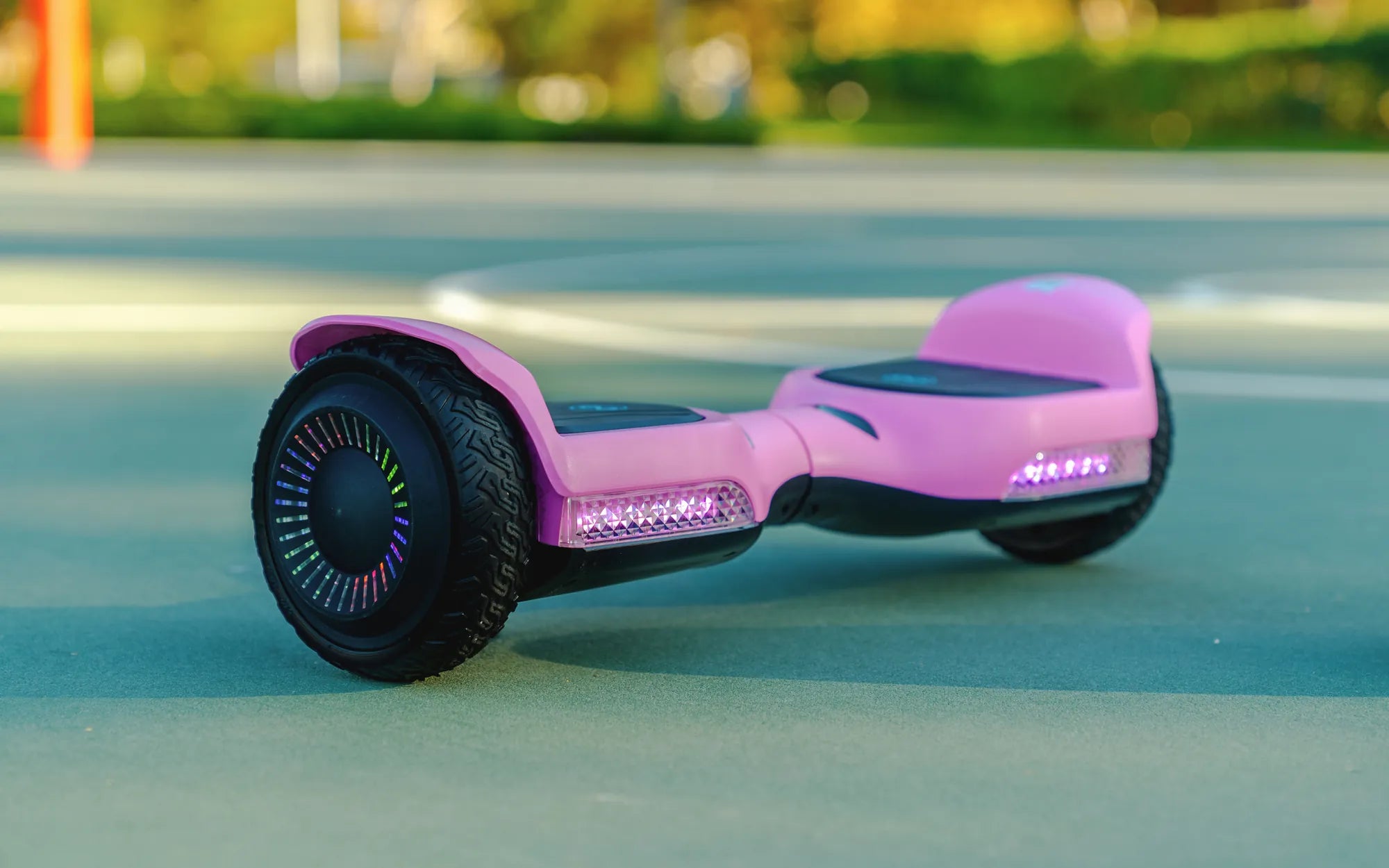
Hoverboards have taken the world by storm, offering a sleek and modern way to zip around town. But what happens when the smooth pavement ends and you're faced with a gravel path? Can your hoverboard handle the challenge, or will it leave you stranded? Let's explore the realities of riding a hoverboard on gravel and what you need to know before taking the plunge.
How Hoverboards Work
Hoverboards, also known as self-balancing scooters, rely on a combination of gyroscopes, sensors, and electric motors to keep riders upright and moving. The wheels are typically small and made of hard plastic or rubber, designed for smooth surfaces like sidewalks or indoor floors. The technology is impressive, but it has its limits—especially when it comes to uneven terrain.
The Challenge of Gravel
Gravel is a tricky surface for any wheeled device, and hoverboards are no exception. The loose, shifting stones can cause instability, making it difficult for the sensors to maintain balance. Smaller pebbles can get stuck in the wheel mechanisms, while larger rocks might cause the hoverboard to jerk or stop abruptly. Even if the hoverboard moves forward, the ride will likely be bumpy and uncomfortable.
Can a Hoverboard Handle Gravel?
While some high-end hoverboards claim off-road capabilities, most standard models struggle on gravel. The lack of suspension and the small wheel size make it hard to absorb shocks, and the motors may overheat from the extra strain. If you're determined to try, look for a hoverboard with larger, all-terrain wheels and a robust motor—but even then, gravel remains a challenging surface.
Safety Considerations
Riding a hoverboard on gravel isn't just about performance—it's also a safety issue. The uneven surface increases the risk of falls, and the hoverboard's sensors might not react quickly enough to prevent accidents. Wearing protective gear like helmets and knee pads is essential, and beginners should avoid gravel altogether until they're confident in their riding skills.
Alternatives for Rough Terrain
If you frequently encounter gravel or other rough surfaces, consider alternatives like electric scooters with larger, air-filled tires or off-road electric skateboards. These options are better suited for uneven ground and provide a smoother, safer ride. Hoverboards excel on smooth pavement, but they're not the best choice for adventurous off-roading.
So, will a hoverboard work on gravel? The short answer is: not well. While it might manage in a pinch, gravel poses significant challenges that most hoverboards aren't built to handle. For a smoother, safer experience, stick to paved paths—or upgrade to a more rugged ride if off-road adventures are calling your name.
How Much Is a Regular Hoverboard: A Complete Pricing Guide
How Old Do You Have to Ride a Hoverboard: Age Requirements and Safety Tips