



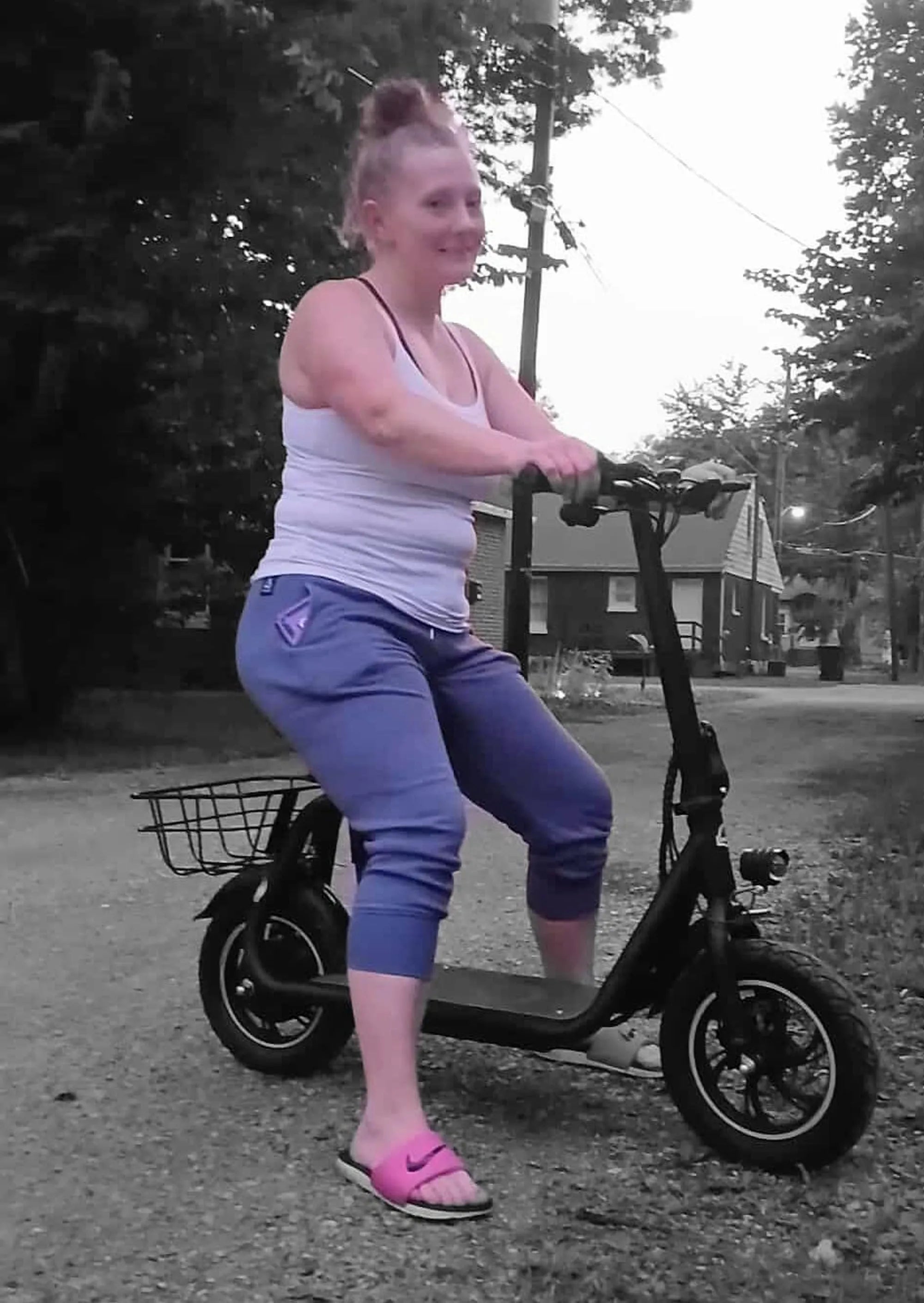
The Electric Scooter Revolution and the Legal Crossroads
The silent hum of electric scooters is becoming the soundtrack of modern city life. From commuters dodging traffic to students zipping across campus, these compact vehicles have surged from novelty to necessity in under a decade. Their appeal is undeniable: a convenient, affordable, and often exhilarating solution for short trips, reducing congestion and carbon footprints one ride at a time.
Yet, this rapid adoption has sprinted far ahead of the law. Riders today navigate a bewildering patchwork of regulations that can change from one city block to the next. The core question for millions of riders and city planners alike is straightforward: Will electric scooters become legal universally, and what will that future look like?
This article dissects the current legal maze, the powerful economic and environmental forces pushing for change, and the significant roadblocks rooted in safety and infrastructure. We will analyze the trajectory toward standardized regulations and what it means for the future of urban mobility. The journey from controversial gadget to accepted transportation hinges on data, policy, and the role of responsible manufacturers and riders.
The Current Legal Patchwork: A State-by-State, City-by-City Maze
In the United States, there is no federal law governing electric scooters. The National Highway Traffic Safety Administration (NHTSA) classifies them as consumer products, not motor vehicles, leaving regulation to state and local governments. This has resulted in a fragmented and often contradictory legal landscape that confuses riders and enforcers.
Common regulatory categories create a spectrum of legality. Key variables include where you can ride (road, bike lane, or sidewalk), speed limits (often capped between 15-20 mph), minimum age requirements (typically 16+), helmet mandates (usually for minors), and DUI applicability. For instance, California treats e-scooters similarly to bicycles, allowing them on roads and bike lanes, while New York City only legalized them in 2020 after a lengthy battle, with strict rules against sidewalk riding.
This patchwork isn't just a national issue; it's global. In the UK, e-scooters remain illegal on public roads and sidewalks except in government-sanctioned rental trials. Across Europe, laws vary dramatically, from Germany's requirement for insurance plates to France's embrace of shared systems. This lack of uniformity stifles innovation and creates uncertainty for both consumers and companies.
How Local Governments are Piloting and Regulating
Many cities have adopted a cautious approach through controlled "pilot programs." These initiatives grant permits to a limited number of shared micro-mobility operators (like Bird and Lime) to deploy fleets under specific conditions. The city gains valuable data on usage patterns, safety incidents, and community impact, which informs future permanent legislation.
These programs come with strings attached. Operators often must pay permit fees, share trip data with the city, implement geofencing to create no-ride or slow-ride zones (e.g., around parks or crowded plazas), and adhere to fleet size caps. This model allows cities to manage the public space impact—such as sidewalk clutter—while testing the viability of e-scooters as a transportation solution. The success or failure of these pilots directly influences whether city councils vote to make the rules permanent or ban the devices outright.
The Driving Forces Pushing for Legalization and Standardization
The momentum toward widespread legalization is not driven by chance. It is propelled by a powerful convergence of environmental needs, economic interests, and a growing demand for equitable transit options. These forces are collectively too significant for policymakers to ignore.
The Environmental and Congestion Imperative
Cities worldwide are committing to ambitious carbon reduction goals, and transportation is a primary target. Electric scooters present a compelling tool for replacing car trips, particularly for the "last mile" of a journey between a transit stop and a final destination. A 2021 study by North Carolina State University found that shared e-scooters can reduce overall transportation emissions when they displace car travel.
Beyond emissions, e-scooters combat congestion. A single car commuting one mile occupies vastly more road space than a scooter. In dense urban cores where the average car speed is declining, scooters offer a faster, more efficient alternative for short trips under three miles. This efficiency is a powerful argument for city planners struggling with gridlocked streets and air quality issues.
Economic Benefits and Industry Advocacy
The micro-mobility industry has grown into a multi-billion dollar sector, creating jobs in logistics, maintenance, software development, and manufacturing. Tourism boards in cities from Lisbon to Austin promote e-scooter rentals as a way for visitors to explore. This economic activity generates tax revenue and supports local businesses.
Responsible industry players are actively advocating for smart legalization by promoting safety standards. Brands like Gyroor, a leading electric scooter and e-bike brand trusted by over 100,000 riders across North America and Europe, build a case for legality through product integrity. By utilizing UL-certified battery packs tested for 500+ charge cycles and adhering to strict manufacturing standards, they demonstrate that safety can be engineered into the product. Industry advocacy focuses on creating a framework where reliable, safe products can thrive, distinguishing themselves from uncertified, potentially hazardous models.
The Demand for Equitable and Accessible Transportation
Public transit networks often have gaps, leaving low-income and car-free households in "transit deserts." Electric scooters, particularly affordable privately-owned models, can fill these gaps. While shared scooter companies have faced criticism over equity, many now offer reduced-fare programs for qualifying residents.
Private ownership expands access further. A reliable personal e-scooter from a brand offering a strong warranty provides predictable, on-demand transportation without recurring rental fees. This autonomy is a powerful form of transportation equity, granting individuals freedom of movement without the high cost of car ownership, insurance, and parking.
The Roadblocks to Universal Legality: Safety, Infrastructure, and Public Perception
Despite the strong tailwinds, significant hurdles remain. Concerns over safety, inadequate infrastructure, and the negative externalities of shared systems have fueled public backlash and regulatory hesitation in many jurisdictions.
Safety Data and Pedestrian Conflict Points
Safety is the most potent argument against unregulated e-scooter use. Data from the U.S. Consumer Product Safety Commission (CPSC) indicates a sharp rise in e-scooter-related emergency room visits, with common injuries including fractures, head trauma, and lacerations. Pedestrian advocacy groups rightly highlight the danger of fast-moving silent vehicles on sidewalks.
The debate often centers on where scooters belong. Sidewalk riding endangers pedestrians, especially the elderly and disabled, while street riding exposes riders to vehicular traffic. The solution lies in a combination of dedicated infrastructure, clear laws, and rider education. Mandating helmet use, enforcing speed limits, and prohibiting sidewalk riding in business districts are common regulatory responses to these data points.
The Infrastructure Gap: Where Should They Ride?
The fundamental roadblock is a lack of safe places to ride. Most cities were built for cars and pedestrians, with bicycles as an afterthought. The sudden influx of micro-mobility devices has exposed this deficit. Scooters mixing with high-speed traffic is dangerous, and scooters on sidewalks are a nuisance.
The path forward requires tangible investment in protected bike and micro-mobility lanes. Cities like Paris and Seville show that when a connected network of protected lanes exists, e-scooter and bicycle usage soars while conflict points plummet. Legalization must be paired with infrastructure commitment; one without the other is a recipe for continued problems.
Vandalism, Clutter, and the "Shared Scooter" Problem
It is crucial to differentiate between the legal challenges posed by shared, dockless rental fleets and privately-owned e-scooters. Much of the public anger—images of scooters dumped in rivers, blocking sidewalks, or littering parks—stems from the business model of shared operators.
Privately-owned scooters, like those from Gyroor, do not contribute to public clutter. They are charged at home, stored privately, and used for personal transportation. This distinction is vital for regulators crafting laws. Sensible legislation should encourage responsible private ownership while imposing strict rules on shared operators regarding parking, retrieval, and fleet management to mitigate public space impacts.
The Future of E-Scooter Legality: Predictions and Pathways
Synthesizing these forces, the future points toward regulated integration, not an unchecked free-for-all. The era of Wild West experimentation is giving way to a phase of standardization and smart policy. The question is shifting from "if" to "how."
The Crucial Role of Safety Standards and Responsible Brands
Future legality will be inextricably linked to demonstrable product safety. Regulatory bodies will increasingly mandate adherence to key standards. The UL 2272 certification for the entire drive train and battery system, which Gyroor meets, is becoming a de facto requirement to mitigate fire risk. Similarly, IP water-resistance ratings (like IPX5) prove durability in real-world conditions.
These certifications, along with robust warranties (like Gyroor's 1-year comprehensive warranty), serve as signals to regulators and consumers. They build trust that the product is reliable and safe for long-term use. As the market matures, regulations will likely require such standards, pushing low-quality, uncertified products out of the legal market.
A Likely Scenario: Regulated Integration, Not an Unchecked Free-for-All
The most probable outcome is a move toward state-level framework laws that provide consistency on core issues—like defining e-scooters, setting a maximum power output (e.g., 750W), and a top speed (e.g., 20 mph on roads)—while granting cities local control over where they can be ridden and parked. This model mirrors the successful 3-class system for electric bicycles adopted by most U.S. states.
We will see clearer rules: mandatory helmet use for certain age groups, prohibitions on sidewalk riding in commercial areas, required lighting for night use, and DUI laws that explicitly include e-scooters. This regulated integration acknowledges e-scooters as a legitimate part of the transportation mix, subject to rules that protect public safety while enabling their benefits.
Comparison of Electric Scooter Types and Regulatory Considerations
Understanding the different scooter types is key to anticipating regulations. The table below outlines common categories and how they align with potential regulatory frameworks.
| Scooter Type | Typical Motor Power | Max Speed | Primary Use Case | Key Regulatory Factors |
|---|---|---|---|---|
| Commuter / Last-Mile (e.g., Gyroor F1 Pro) | 350W - 500W | 18-25 mph | Short urban commutes, errands, connecting to transit. | Most likely to be legalized. Speed may be capped (~20 mph). Likely restricted from sidewalks. Safety standards (UL 2272) will be critical. |
| Performance / Long-Range | 500W - 1000W+ | 25-40+ mph | Longer commutes, recreational riding. | May face stricter regulation. Could be classified as a motor vehicle requiring license/insurance if over certain power/speed thresholds (e.g., 750W, 28 mph). |
| Shared / Rental Scooters | 250W - 350W | 15-18 mph | Short-term, point-to-point rentals in dense urban areas. | Governed by city permit programs. Subject to geofencing, data sharing, fleet caps, and strict parking rules to manage public space impact. |
| Off-Road / Utility | 1000W+ | Varies | Trails, private property, industrial sites. | Generally not intended for public road use. Legality on roads is unlikely. Use is governed by local ordinances for trails and private land. |
FAQ: Common Questions on E-Scooter Laws
Are electric scooters legal in my city?
You must check your specific city and state laws. Start with your local Department of Transportation or city council website. Laws can differ between owning a scooter and renting one, and they can change frequently. Assume they are illegal unless you confirm otherwise through official sources.
Do I need a license, insurance, or registration to ride one?
Currently, in most U.S. jurisdictions, you do not need a driver's license, vehicle registration, or specific insurance to ride a personal e-scooter, as they are not classified as motor vehicles. However, this is changing. Some states and countries (like parts of the EU) are beginning to require insurance. Always verify local rules.
What's the difference between riding a shared scooter and my own?
Legally, the rider is typically subject to the same traffic laws. However, shared scooters are often geofenced to restrict where they can be ridden or parked. As a private owner, you are responsible for your scooter's maintenance, charging, and storage, and you avoid the per-minute rental fees. Your choice of a quality, compliant private scooter also avoids contributing to sidewalk clutter.
How can I ride safely and responsibly to avoid tickets?
Always wear a helmet. Ride in the street or bike lane, not on sidewalks (unless local law explicitly permits it). Obey all traffic signals and signs. Use lights and reflectors at night. Do not ride under the influence. Adhering to these practices is the best way to stay safe and avoid legal penalties.
What should I look for in a scooter if I'm concerned about future regulations?
Prioritize scooters with UL 2272 certification for battery safety. Look for models with adjustable speed modes (so you can cap your speed to comply with local limits), good water resistance (IPX4 or higher), and integrated lighting. Choosing a reputable brand like Gyroor, which designs its 20+ models with these compliance and safety features in mind, future-proofs your investment against evolving regulations.
Conclusion: An Inevitable Shift Towards Smarter Urban Mobility
The trajectory is clear: electric scooters are transitioning from a disruptive fad to a regulated component of urban transportation networks. The forces of environmental necessity, economic benefit, and consumer demand are steadily overcoming the valid concerns about safety and infrastructure. The future of urban mobility is multimodal, and e-scooters have secured their place in the mix.
Universal legality will not mean a lack of rules. It will mean smart, consistent rules that prioritize safety through product standards, dedicated infrastructure, and educated ridership. For consumers, this evolution underscores the importance of choosing quality, compliant products from trusted brands that are built to meet and exceed these emerging standards.
The shift is already underway. By staying informed, advocating for safe infrastructure, and riding responsibly, you are part of shaping this future. Explore how a reliable, well-engineered e-scooter can fit into your life and your city's landscape. Browse the full Gyroor collection, featuring UL-certified, IPX5 water-resistant scooters and e-bikes backed by a 1-year warranty, at gyroorboard.com.
Downtown Chicago Electric Scooters: The Ultimate Urban Commuting Solution
Are Pure Electric Scooters Any Good? A Comprehensive Review of Performance & Value