

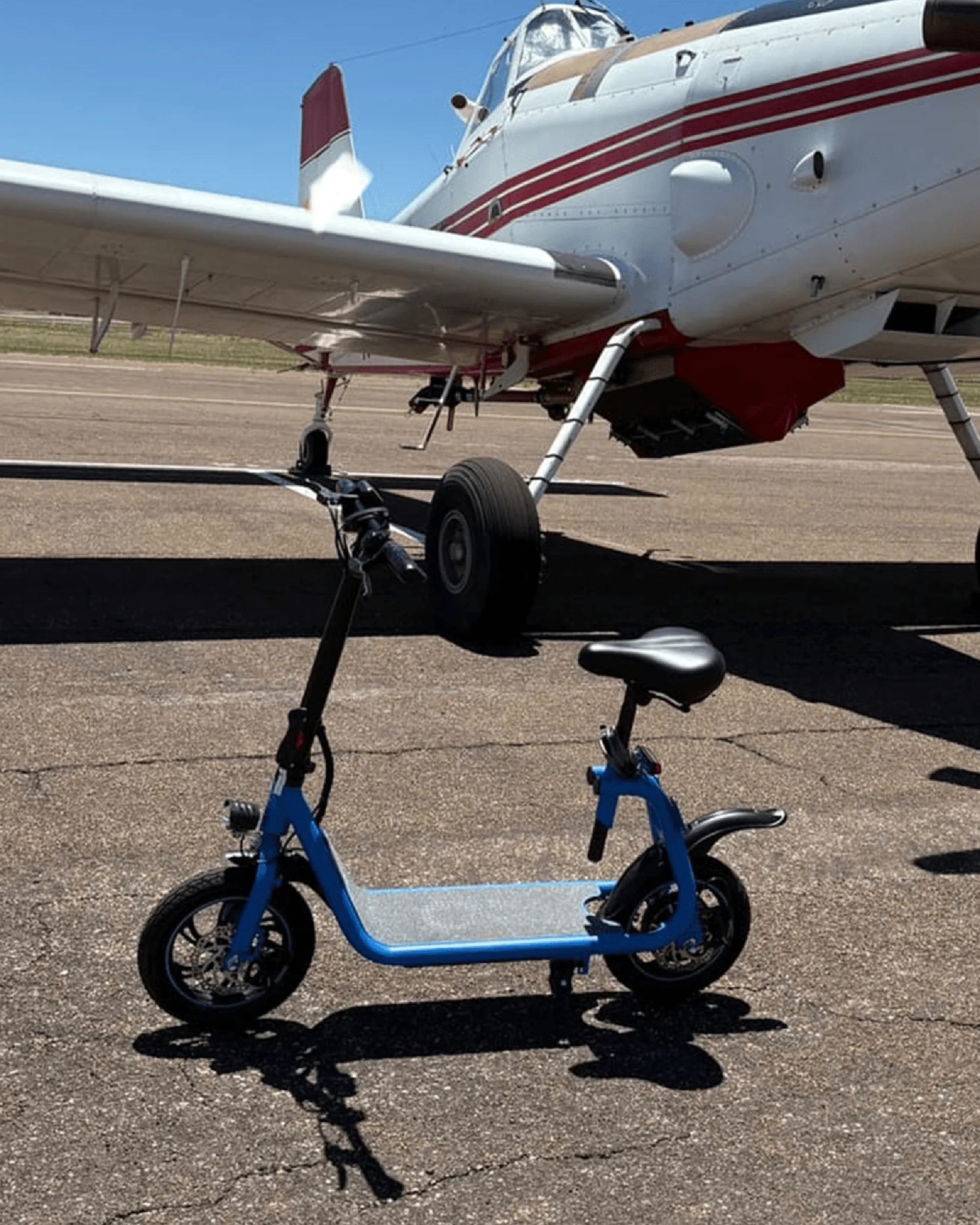
Introduction: The "Young Scooter" Dilemma – When Playtime Meets Practicality
The search for a first electric scooter often centers on two powerful, and sometimes conflicting, ideals: fun and function. For the young rider, student, or first-time commuter—the archetypal "young scooter" user—the appeal of zipping around for recreation is undeniable. Yet, the reality of daily reliance introduces a non-negotiable requirement: this vehicle can't play around when it comes to your safety, schedule, or budget.
A scooter that falters in the rain, dies mid-commute, or requires constant, costly repairs isn't a tool for freedom; it's a source of frustration and potential danger. This article defines what separates a toy from a trustworthy mobility solution. We'll explore the technical benchmarks, real-world scenarios, and brand philosophies that ensure your scooter is an asset, not a liability. The core thesis is clear: true, carefree riding is only possible on a platform engineered for unwavering reliability.
What Makes a Scooter "Play" vs. Perform? Defining the Key Metrics
The distinction between a recreational toy and a performance vehicle is quantifiable. It exists in the specifications, build quality, and intended use case. A "play" scooter is often characterized by its low price point, which is achieved through significant compromises in components designed for intermittent, light use on perfect surfaces.
In contrast, a scooter built to perform—one that truly can't play around with your needs—excels across key metrics. Motor power (measured in watts) determines hill-climbing ability and acceleration. Battery capacity (watt-hours) dictates real-world range, not just a theoretical maximum. Build materials, such as aircraft-grade aluminum versus cheap plastics, impact durability and ride stability.
Perhaps the most critical differentiator is the safety and certification of the battery pack. A performance scooter uses a brand-name, UL-certified lithium-ion battery with a proper Battery Management System (BMS). A toy-grade scooter often uses uncertified cells with minimal protection, posing a higher risk of failure or even fire. The commitment to these quality components is what separates a fleeting gadget from a dependable machine.
The Gyroor Advantage: Engineered for Reliability, Not Just Recreation
Gyroor's design philosophy is built on the principle that fun should never come at the expense of safety and dependability. As a leader trusted by over 100,000 riders, Gyroor integrates professional-grade features into accessible personal electric vehicles. This approach ensures that when you choose a Gyroor, you're choosing a scooter that can't play around with critical aspects of your ride.
The foundation of this reliability is the UL-certified lithium-ion battery. Every Gyroor scooter uses battery packs that have passed rigorous independent safety testing. These batteries are engineered for over 500 charge cycles while maintaining significant capacity, ensuring years of consistent range. This certification is a non-negotiable safety standard that cheap alternatives frequently lack.
Complementing the battery is an IPX5 water-resistant rating. This engineering standard means the scooter's electronics can withstand water jets from any direction, making it resilient against puddles, wet roads, and light rain. For a daily commuter, this feature is indispensable; it transforms the scooter from a fair-weather toy into an all-conditions vehicle. Finally, Gyroor backs its confidence with a comprehensive 1-year warranty and responsive US-based customer support, providing peace of mind that is absent from the disposable scooter market.
Beyond the Spec Sheet: Real-World Scenarios Where Reliability Matters
Technical specifications only tell part of the story. The value of a dependable scooter is proven in the unpredictable conditions of everyday life. Here are key scenarios where the difference between a toy and a tool becomes starkly apparent.
The Daily Grind: Commuting in All Conditions
Your commute doesn't pause for a drizzle. A reliable scooter must handle morning dew, wet pavement, and the occasional unexpected puddle without a second thought. Gyroor's IPX5 rating provides this assurance. Furthermore, consistent performance is key. The certified battery delivers the promised range day after day, ensuring you're not left walking the last mile to work or class. A sturdy deck and reliable brakes provide stability and control in urban traffic, where a wobbly or under-braked scooter can't play around with your physical safety.
Weekend Adventures: From City Streets to Light Trails
Exploration is a form of play, but it demands serious capability. Venturing onto park paths or slightly rougher terrain requires a scooter with adequate suspension, robust tires, and enough torque to handle mild inclines. Gyroor models with dual suspension and pneumatic tires absorb shocks, providing a comfortable and controlled ride beyond smooth asphalt. This capability expands your mobility radius safely, turning weekend exploration into a genuine adventure, not a risky experiment.
Safety as a Non-Negotiable Feature
True freedom on a scooter stems from confidence in its safety systems. This includes bright front and rear lighting for visibility, responsive electronic and disc brakes for controlled stopping, and a wide, anti-slip deck for secure footing. Gyroor integrates these features as core components, not afterthoughts. When a vehicle's fundamental systems are trustworthy, the rider is free to enjoy the journey. In this context, safety isn't the opposite of fun; it's the essential prerequisite for it.
Data-Driven Decision: Comparing Total Cost of Ownership
The initial price tag is a misleading metric for scooter value. A true comparison requires analyzing the Total Cost of Ownership (TCO) over a typical 2-3 year period. The following table contrasts a hypothetical low-cost "play" scooter with a Gyroor performance model.
| Cost Factor | Typical "Play" Scooter | Gyroor Performance Scooter |
|---|---|---|
| Initial Purchase Price | Low ($300-$500) | Higher ($600-$1,200) |
| Battery Life & Replacement | Uncertified battery; may degrade significantly within 1 year. Replacement cost: $150-$250. | UL-certified battery; 500+ cycle life. Unlikely to need replacement within warranty period. |
| Water Damage Risk | High (often no rating). Repair/replacement cost if damaged: $100+. | Low (IPX5 rated). Designed to withstand wet conditions. |
| Warranty & Support | Limited or no meaningful warranty. DIY repairs often needed. | 1-year comprehensive warranty with US-based support. |
| Downtime & Inconvenience | High probability of failures leading to missed commutes/events. | Low probability. Reliable performance minimizes unexpected downtime. |
| Estimated 2-Year TCO | $550 - $950+ (Purchase + likely repairs/replacements) | $600 - $1,200 (Mostly just the initial purchase) |
As the data shows, the lower upfront cost of a toy-grade scooter is often eclipsed by hidden costs and immense frustration. Investing in a Gyroor means investing in predictable performance and lower long-term expense, proving that a scooter that can't play around with quality is ultimately the more economical and satisfying choice.
Choosing Your Gyroor: Matching Model to Mission
Gyroor's diverse lineup ensures there's a reliable model for every rider's primary use case. Understanding these categories helps you select the perfect scooter that won't let you down.
For the Urban Commuter, prioritize range, portability, and water resistance. Models like the Gyroor F1 Pro offer a balance of power and foldability, with a UL-certified battery ensuring a consistent 15-20 mile range for daily trips.
For the Adventure & Off-Road Explorer, suspension and power are key. Look for models with dual shock absorption, larger pneumatic tires, and a more powerful motor (500W+) to comfortably handle uneven terrain and steeper hills, turning your exploratory "play" into a capable journey.
For the Student or Campus Rider, a blend of lightweight design, adequate range for campus traversal, and simple folding mechanisms is ideal. A model that is easy to carry into a classroom or dorm, yet robust enough for daily use on pathways, exemplifies a scooter that can't play around with a student's busy schedule.
Maintenance Essentials: Preserving Performance and Safety
Even the most reliable scooter benefits from proper care. Simple, regular maintenance preserves your investment and ensures ongoing safe operation.
Battery Care: Avoid draining the battery to 0%. Where possible, store it in a cool, dry place. Use only the official Gyroor charger. These practices maximize the lifespan of the UL-certified battery pack.
Tire and Brake Checks: Regularly inspect tire pressure for pneumatic tires to ensure efficiency and comfort. Test brake responsiveness before each ride and listen for unusual sounds. Periodically check brake pad wear.
Cleaning and Storage: Wipe down the scooter with a damp cloth. Avoid high-pressure water jets directly on ports. Store the scooter in a dry environment. These habits, combined with the inherent IPX5 water resistance, protect the scooter's electronics and finish for the long term.
FAQ: Your Questions on Dependable Electric Scooters, Answered
Q: What does an IPX5 rating actually mean for my daily commute?
A: An IPX5 rating means your scooter's electrical components are protected against low-pressure water jets from any direction. In practice, this makes it safe to ride through puddles, in light to moderate rain, and on wet roads without fear of immediate water damage, a critical feature for a reliable commuter vehicle.
Q: How long will a UL-certified battery really last before I notice less range?
A> Gyroor's UL-certified batteries are rated for a minimum of 500 full charge cycles while retaining at least 80% of their original capacity. For a rider charging every other day, this translates to over 2.5 years of use before any noticeable range degradation under normal conditions.
Q: Is the 1-year warranty process complicated?
A: No. Gyroor is committed to straightforward support. With US-based service, warranty claims are processed efficiently. You register your product online, and if an issue arises covered under the warranty, the support team guides you through a simple process for repair or replacement, minimizing your downtime.
Q: Can a Gyroor scooter handle hills or a rider with a backpack?
A: Yes. Gyroor scooters feature motors ranging from 350W to 500W+, providing ample torque for moderate hills. The deck and frame are designed to support riders well above the weight limit, which includes the weight of a backpack. Always check the specific weight limit for your chosen model, but they are engineered for real-world loaded use.
Q: Why shouldn't I just buy the cheapest scooter I can find?
A> As the Total Cost of Ownership analysis shows, the cheapest scooter often has the highest long-term cost due to battery failures, water damage, and lack of warranty support. More importantly, it carries higher safety risks and will likely fail when you need it most. Investing in a reliable brand like Gyroor ensures safety, durability, and peace of mind.
Conclusion: Empower Your Journey with a Foundation of Trust
The pursuit of mobility should be liberating, not limiting. A scooter that can't play around with quality, safety, or durability is the only kind that truly unlocks the freedom and fun that riders seek. It's the vehicle that starts every morning, handles the unexpected shower, and powers your weekend exploration without hesitation.
Gyroor builds this foundation of trust into every product through UL-certified batteries, IPX5 water resistance, and robust customer support. For the young rider, the student, or the first-time commuter, this translates to confidence on every ride. Don't settle for a toy that might work; invest in a tool that will. Discover the full range of electric scooters, e-bikes, and hoverboards engineered for real life.
Browse the full Gyroor collection and find your reliable ride at gyroorboard.com.
Folding Power Scooter Blue: The Ultimate Guide to Style, Safety & Portability
Folding Power Scooter Blue: The Ultimate Guide to Style, Safety & Portability