

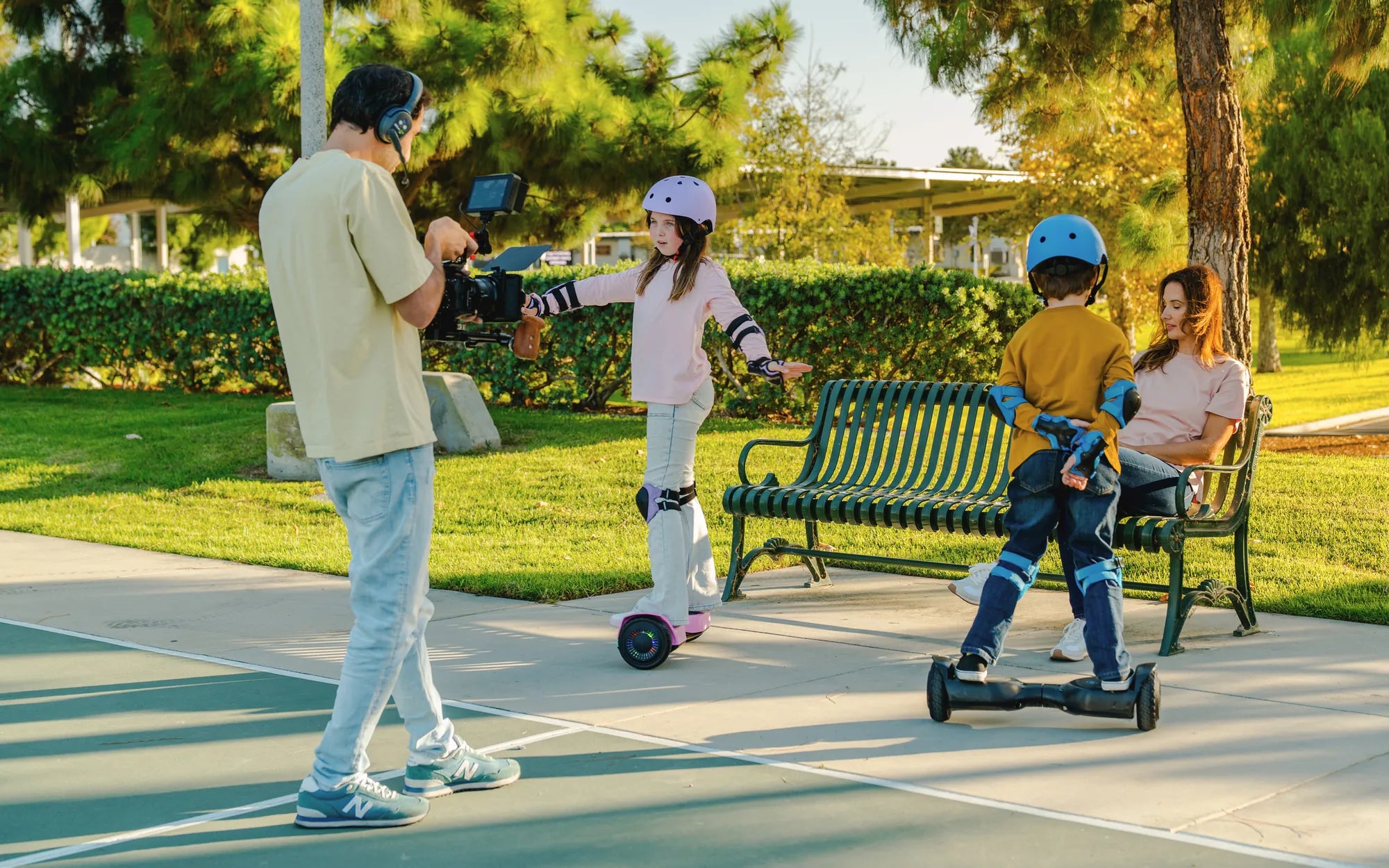
Imagine the sight of a tiny 1-year-old gliding effortlessly on a hoverboard—adorable, thrilling, and perhaps a little nerve-wracking. While hoverboards have become a popular gadget for older kids and adults, the idea of toddlers using them raises eyebrows. Is it safe? What are the risks? And how can parents ensure their little ones stay protected while having fun? This article dives deep into the world of 1-year-olds riding hoverboards, exploring the safety measures, potential dangers, and expert recommendations.
The Rise of Toddlers on Hoverboards
In recent years, social media has been flooded with videos of toddlers, some as young as 1 year old, riding hoverboards with surprising skill. These clips often go viral, sparking debates among parents, pediatricians, and safety advocates. While some see it as a fun and innovative way to entertain children, others worry about the potential hazards. The truth lies somewhere in between, and understanding the risks is crucial for any parent considering this activity for their child.
Safety Concerns for 1-Year-Olds on Hoverboards
Hoverboards are designed with older children and adults in mind, not toddlers. The lack of balance, coordination, and cognitive development in 1-year-olds makes them particularly vulnerable to accidents. Common risks include:
- Falls and Injuries: Toddlers are still learning to walk, let alone balance on a moving device. Falls can lead to bruises, fractures, or even head injuries.
- Speed and Control: Hoverboards can move unexpectedly, and toddlers lack the reflexes to react quickly.
- Battery and Electrical Hazards: Cheap or poorly made hoverboards may pose fire or electrical risks.
Expert Recommendations for Parents
Pediatricians and child safety experts strongly advise against allowing 1-year-olds to ride hoverboards. However, if parents still choose to proceed, here are some essential precautions:
- Supervision is Non-Negotiable: Never leave a toddler unattended on a hoverboard, even for a second.
- Protective Gear: Helmets, knee pads, and elbow pads are a must to minimize injury risks.
- Slow Speeds Only: Use hoverboards with speed-limiting features and keep them on the lowest setting.
- Flat, Safe Surfaces: Avoid uneven terrain, stairs, or areas with traffic.
Alternatives to Hoverboards for Toddlers
If you're looking for safe, age-appropriate ways to entertain your 1-year-old, consider these alternatives:
- Push Toys: These help toddlers develop balance and coordination without the risks of motorized devices.
- Ride-On Toys: Low-to-the-ground, non-motorized ride-ons are a safer option for little ones.
- Play Mats and Activity Centers: These provide a secure environment for exploration and movement.
The Bottom Line: Is It Worth the Risk?
While the idea of a 1-year-old riding a hoverboard might seem cute or impressive, the potential dangers far outweigh the benefits. Toddlers are still developing physically and mentally, and exposing them to unnecessary risks can have long-term consequences. Parents should prioritize safety and opt for age-appropriate activities that foster growth without compromising their child's well-being.
Seeing a 1-year-old on a hoverboard might be a viral sensation, but it's not worth the trip to the emergency room. Before letting your toddler hop on one, weigh the risks carefully and ask yourself: is this really the best way for them to have fun? With so many safer alternatives available, the answer is likely no.
Can Adults Use Hoverboards? Exploring the Fun and Safety of Riding as an Adult
How Do Hoverboards Work on Water: The Science Behind Aquatic Levitation