



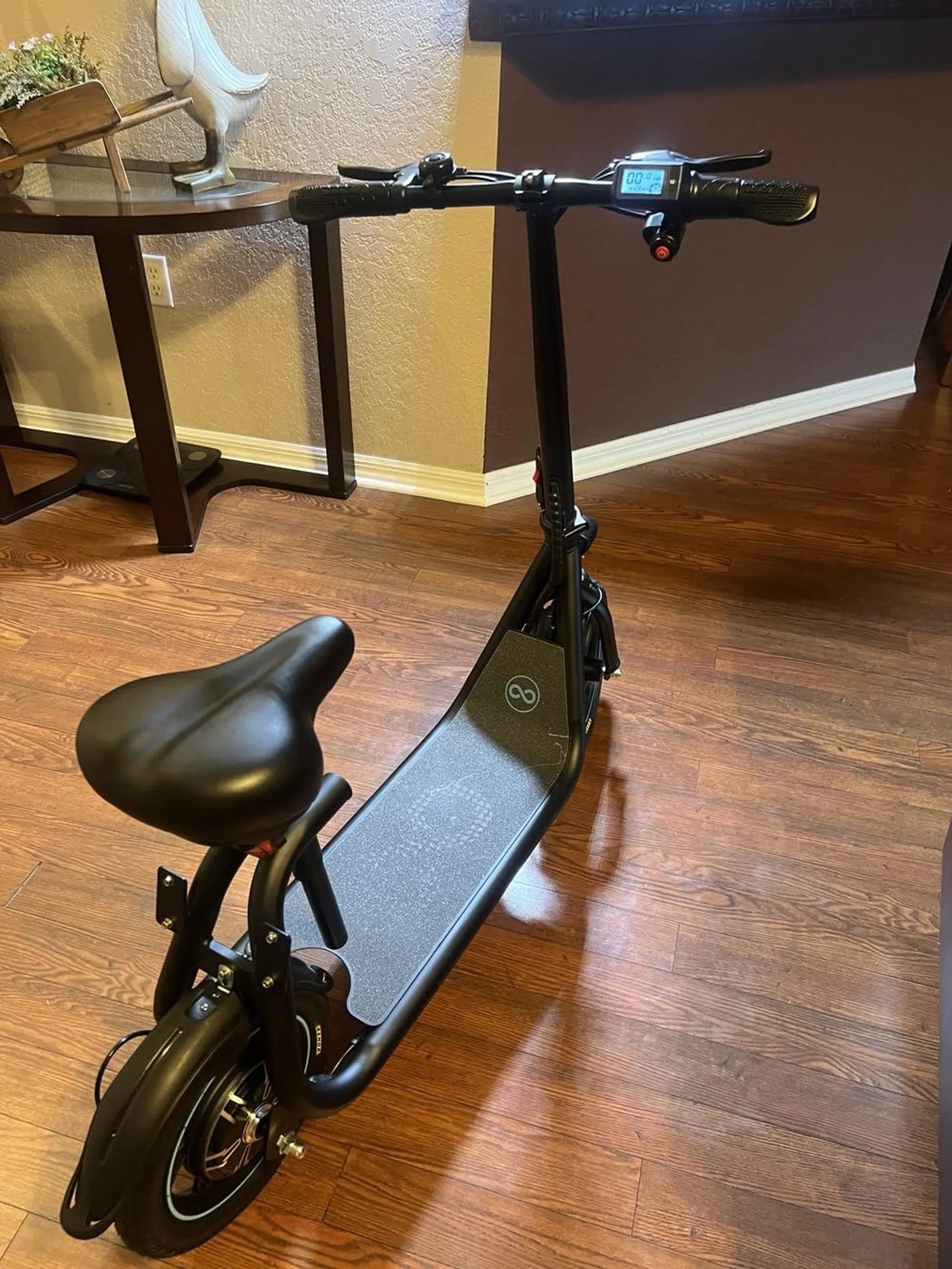
Converting a standard bicycle into a powerful electric machine is an exciting project, and a 1000 watt ebike kit represents a popular sweet spot for many riders. This comprehensive guide will explain everything you need to know about these high-power conversion systems. You'll learn about the key components, real-world performance metrics, critical installation considerations, and the important legal landscape. Whether you're tackling steep hills, carrying heavy cargo, or seeking more thrilling off-road capability, understanding the specifics of a 1000W system is the first step toward a successful build.
Understanding the 1000 Watt Ebike Kit Ecosystem
A 1000 watt ebike kit is a collection of components designed to electrify a traditional bicycle. The core of the system is a 1000W electric motor, which provides substantial power for acceleration and hill climbing. This power level sits meaningfully above standard 250W-750W commuter systems, placing it in a performance-oriented category.
Typical kits include the motor (often integrated into a wheel hub), a motor controller, a battery pack, a display unit, a throttle, pedal assist sensors, and necessary wiring harnesses. The goal is to provide all the parts needed for a complete conversion, minus the donor bicycle. The appeal lies in transforming an existing bike you love into a potent e-bike, often at a lower cost than purchasing a pre-built model with equivalent power.
The market offers two primary configurations: hub-drive and mid-drive kits. Hub-drive kits, where the motor is housed in the center of the front or rear wheel, are generally simpler to install. Mid-drive kits mount the motor at the bike's crank and bottom bracket, leveraging the bicycle's existing gears for more efficient power delivery, especially on steep inclines.
Choosing a 1000 watt ebike kit is a commitment to higher performance. It's suited for riders who face significant elevation changes, need to move heavier loads, or desire more speed off-road. However, this power comes with important considerations regarding bike compatibility, local e-bike laws, and the technical skill required for installation.
Core Components of a 1000W Conversion System
Every 1000 watt ebike kit is built around several essential components that work in concert. Understanding each part's function is crucial for selecting a quality kit and ensuring a successful installation. The synergy between these components determines the overall performance, reliability, and safety of your converted e-bike.
The motor is the heart of the system. For a 1000W kit, this is typically a brushless DC hub motor (front or rear) or a mid-drive unit. The wattage represents its nominal or continuous power output, with peak power often reaching 1200-1500W during hard acceleration. Motor quality affects efficiency, noise levels, and heat dissipation.
The battery is the fuel tank. For a 1000W motor, a 48V system is standard, as it provides the optimal balance of power and efficiency. Battery capacity, measured in Amp-hours (Ah), directly determines range. A 48V 15Ah battery offers 720 watt-hours (Wh) of energy. Higher-quality batteries use name-brand lithium-ion cells (like Samsung or Panasonic) and include a Battery Management System (BMS) for safety.
The controller acts as the brain, regulating power flow from the battery to the motor based on inputs from the throttle and pedal assist sensor. It manages current (amps), which influences torque and acceleration. A well-matched controller is essential for smooth operation and protecting the motor from overheating.
Finally, the user interface includes the handlebar-mounted display and controls. The display shows speed, battery level, assist level, and odometer. The system is operated via a thumb or twist throttle and/or a pedal assist system (PAS) that provides motor power in proportion to your pedaling effort.
Motor Types: Hub Drive vs. Mid-Drive for 1000W
The choice between a hub motor and a mid-drive motor is one of the most significant decisions when selecting a 1000 watt ebike kit. Each has distinct advantages and trade-offs that affect the riding experience, installation complexity, and performance.
Hub-Drive Kits are the most common for DIY conversions. The motor is housed within a wheel, replacing your bike's existing front or rear wheel. Installation is relatively straightforward, primarily involving wheel swapping, mounting the battery, and connecting cables. Hub motors provide direct power to the wheel, offering strong acceleration from a stop. They are generally less expensive and place minimal wear on the bike's chain and drivetrain.
Mid-Drive Kits mount the motor centrally at the bike's bottom bracket, where the crank arms are located. This configuration places weight low and centered, improving bike handling and balance. The key advantage is that the motor's power is routed through the bike's rear gears. This allows the motor to operate in its optimal RPM range, making it exceptionally efficient on hills and extending battery range. However, installation is more complex, often requiring specific frame compatibility and putting more stress on the chain and cassette.
For a 1000 watt ebike kit, a mid-drive is often the preferred choice for serious hill climbing and technical off-road use, as it effectively multiplies torque through the gears. A hub drive is an excellent choice for simpler installations, flat to moderately hilly commuting, and riders who prioritize ease of setup.
Real-World Performance and Capabilities
A properly installed 1000 watt ebike kit delivers transformative performance. Riders can expect a substantial increase in speed, hill-climbing prowess, and overall utility compared to a standard bicycle or lower-powered e-bike. Understanding these capabilities helps set realistic expectations.
Speed is a primary consideration. On a flat surface with minimal wind, a 1000W system can typically achieve speeds of 28-35 mph (45-56 km/h) depending on rider weight, aerodynamics, and bike efficiency. It's crucial to note that in many jurisdictions, e-bikes limited to 20 mph or 28 mph (for Class 1/2/3) are legal on public roads and paths. A 1000W motor often exceeds these power limits, potentially classifying the bike for off-road or private land use only.
Hill Climbing is where a 1000W kit truly shines. It can comfortably tackle sustained grades of 15-20%, with mid-drive systems handling even steeper inclines by using the bike's low gears. This makes it ideal for hilly cities, mountain trails, or for riders who need to carry additional weight like groceries or child trailers.
Range varies widely based on usage. Using only pedal assist (PAS) at moderate levels on flat terrain, a 48V 15Ah (720Wh) battery could provide 35-50 miles of range. Aggressive throttle-only use, high speeds, frequent hill climbing, or heavy payloads can reduce that range to 20-25 miles. Rider weight, tire pressure, and wind are also significant factors.
Data Comparison: 1000W vs. Other Power Levels
Choosing the right wattage is key. The following table compares a typical 1000W system with other common e-bike power levels to highlight its position in the performance spectrum.
| Power Level | Typical Top Speed* | Hill Grade Capability | Primary Use Case | Typical Legal Status (US Roads/Paths) |
|---|---|---|---|---|
| 250W | 15-20 mph | Moderate (up to 10%) | Flat urban commuting, light assistance | Class 1/2/3 Compliant |
| 500W | 20-25 mph | Good (up to 12%) | General commuting, moderate hills | Often Class 2/3 Compliant |
| 750W | 25-28 mph | Very Good (up to 15%) | Hilly commuting, light trail riding | Common max for Class 3 |
| 1000W | 28-35 mph | Excellent (15-20%+) | Steep hills, off-road, cargo hauling | Often exceeds Class 3; off-road/private land |
| 1500W+ | 35-40+ mph | Extreme (20%+) | Performance off-road, high-speed builds | Off-road/private land only |
*Speed estimates assume optimal conditions and can vary. Legal status varies by country, state, and local municipality.
Critical Pre-Purchase Considerations
Before investing in a 1000 watt ebike kit, several critical factors must be evaluated to ensure compatibility, legality, and a successful build. Overlooking these steps can lead to frustration, extra expense, or even an unsafe bicycle.
First, assess your donor bicycle's compatibility. The frame must have adequate space to mount the battery, typically on the downtube or rear rack. For hub motors, you must match the wheel size (26", 27.5", 29") and axle type (quick-release vs. thru-axle). Your bike should have robust brakes—disc brakes are highly recommended for safely managing the increased speed and weight of a 1000W e-bike. A steel or aluminum frame is required; carbon frames are generally not suitable for conversion stresses.
Second, honestly evaluate your technical skill and tools. Installing a hub motor kit is a multi-hour project requiring basic mechanical aptitude and tools like wrenches, wire cutters, and electrical tape. Mid-drive installations are more complex and may require specialized tools like a bottom bracket tool. If you're not comfortable, factor in the cost of professional installation by a bike shop familiar with e-bike conversions.
Third, and most importantly, research your local e-bike laws and regulations. In the United States, a three-class system is common. Most public road and path access is granted to Class 1, 2, and 3 e-bikes, which typically have a motor power limit of 750W. A 1000W motor often exceeds these limits, potentially relegating your converted bike to off-road trails, private property, or requiring registration as a moped or motorcycle. Always check state and local ordinances.
The Paramount Importance of Battery Quality and Safety
The battery is the most critical—and potentially dangerous—component in any 1000 watt ebike kit. Cutting corners here is not an option. A high-quality battery ensures safety, reliability, and longevity for your entire system.
Look for batteries that use premium, name-brand lithium-ion cells from manufacturers like Samsung, LG, or Panasonic. The battery's construction should include a robust metal or hard plastic case for physical protection. Internally, a quality Battery Management System (BMS) is non-negotiable. The BMS protects against over-charging, over-discharging, short circuits, and individual cell imbalance, which are primary causes of battery failure or fire.
Safety certifications are the gold standard. The UL 2271 standard is specifically for lithium-ion batteries used in light electric vehicles. A battery with this certification has undergone rigorous testing for electrical, mechanical, and environmental safety. Reputable brands prioritize this. For instance, Gyroor, a leading electric mobility brand trusted by over 100,000 riders, equips its products with UL-certified battery packs tested for 500+ charge cycles, ensuring peace of mind and long-term performance.
For a 1000W system, a 48V battery is standard. Choose a capacity (Ah) based on your desired range. Remember, a higher-quality 48V 15Ah battery will outperform and outlast a cheaper, uncertified 48V 20Ah battery in terms of real-world reliability and safety.
Installation Overview and Essential Tips
While a full step-by-step manual is specific to each 1000 watt ebike kit, understanding the general process and key tips can make your installation smoother and safer. Always follow the manufacturer's instructions precisely.
The process typically begins with preparing the donor bike: removing the existing wheel (for a hub motor) or crank and bottom bracket (for a mid-drive). Next, you install the new motorized wheel or mid-drive unit, ensuring proper alignment and secure fastening. For rear hub motors, installing a torque arm is critical—this metal bracket prevents the motor's axle from rotating inside the dropout, which could damage your frame and cause a catastrophic failure.
Mounting the battery and controller comes next. Choose a location that keeps the bike balanced, usually on the downtube or a rear rack. Secure all components firmly to prevent vibration damage. Running and securing the wiring harness is a meticulous task. Use zip ties and frame clips to keep wires tidy and away from moving parts like the chain and wheels. Properly weather-seal all electrical connections if you plan to ride in wet conditions.
After assembly, perform thorough pre-ride checks. Double-check all bolt tightness, especially axles and battery mounts. Ensure brakes are perfectly aligned and functioning powerfully. Test all electrical functions—display, throttle, pedal assist, and brakes (if equipped with motor cut-off sensors)—while the bike is stationary and elevated. Start your first ride in a low assist level in a safe, open area to get accustomed to the new power.
Maintenance and Care for Your Converted E-Bike
Your new electric bicycle requires consistent maintenance to ensure safety and prolong the life of the 1000 watt ebike kit components. A hybrid of traditional bike care and new electrical system checks is essential.
Regularly inspect all electrical connections for tightness and signs of corrosion. Keep the battery contacts clean. Store and charge the battery in a cool, dry place, away from direct sunlight or extreme temperatures. Avoid draining the battery completely; recharge it after use. Use only the charger provided with your kit. Periodically check the tightness of all motor and battery mounting bolts, as vibration can loosen them over time.
Don't neglect the bicycle itself. The added weight and speed put more stress on brakes and tires. Check brake pad wear frequently and replace them sooner than on a regular bike. Maintain proper tire pressure for efficiency and puncture resistance. Keep the chain clean and lubricated, especially important for mid-drive systems which place more load on the drivetrain. A well-maintained bike ensures the 1000 watt ebike kit performs reliably for years.
FAQ: 1000 Watt E-Bike Conversion Kits
Q1: Is a 1000W e-bike kit legal for use on public roads and bike paths?
A: In many regions, particularly in the United States under the common three-class system, a 1000W motor exceeds the typical 750W power limit for Class 1, 2, and 3 e-bikes. Therefore, a bicycle converted with a 1000 watt ebike kit may not be legal on public roads, bike lanes, or multi-use paths. It is often classified for use on private property or designated off-road trails. Laws vary greatly by country, state, and municipality, so you must research your local regulations thoroughly before riding in public spaces.
Q2: How far can I ride on a single charge with a 1000W system?
A: Range is highly variable. A rough estimate can be made using the battery's watt-hour (Wh) rating. For a 48V 15Ah (720Wh) battery, you might expect 20-40 miles. Using gentle pedal assist on flat ground extends range; using full throttle on hilly terrain reduces it. Rider weight, wind, tire pressure, and temperature are also major factors. Divide your battery's Wh rating by 20 for a conservative throttle-heavy range estimate, and by 10 for an optimistic pedal-assist range estimate.
Q3: Can I install a 1000W kit myself, or do I need a professional?
A> It depends on your mechanical skill. A hub motor kit is a feasible DIY project for someone with basic bike maintenance knowledge and a set of tools, typically taking 3-6 hours. A mid-drive kit is significantly more complex, often requiring specialized tools and a deeper understanding of bicycle drivetrains. If you are unsure, having a professional bike mechanic, preferably one with e-bike experience, perform or check the installation is a wise investment for safety and performance.
Q4: What's the advantage of choosing a kit from an established brand like Gyroor?
A> Choosing a kit from a reputable brand like Gyroor offers significant advantages: integrated safety features like UL-certified battery packs, reliable US-based customer support, clear instructions, and a meaningful warranty (Gyroor offers a 1-year warranty). Their kits are designed with reliability in mind, featuring components like IPX5 water-resistant designs for durability. This contrasts with unbranded kits from online marketplaces, which may lack safety certifications, have poor documentation, and offer little to no support if issues arise.
Q5: Will a 1000W kit damage my bicycle frame?
A> Not if installed correctly on a compatible frame. The frame must be made of steel or aluminum (not carbon fiber) and be in good condition. For hub motors, using a properly installed torque arm is absolutely essential to prevent the motor axle from spinning and destroying your frame's dropouts. Ensuring all mounting points are secure and checking them periodically will prevent damage. The added stress is manageable on a robust, well-maintained bicycle.
Making the Final Decision: Is a 1000W Kit Your Ideal Upgrade?
A 1000 watt ebike kit is a powerful tool that can unlock new possibilities for your bicycle, transforming it into a capable hill-conqueror and a swift commuter. It is an ideal solution for riders facing challenging terrain, those needing to haul cargo, or enthusiasts seeking more robust off-road performance. The tangible boost in torque and speed is transformative.
However, this power upgrade is not for everyone. It requires careful consideration of legal restrictions, a compatible and sturdy donor bike, and a non-trivial installation process. The importance of selecting a high-quality, safety-certified battery cannot be overstated—it is the cornerstone of a reliable and safe build.
For the mechanically inclined rider who understands the legal landscape and prioritizes performance, a 1000W conversion is a rewarding project. By choosing components from trusted manufacturers that prioritize safety and support, like Gyroor with its UL-certified batteries and robust warranties, you invest in a system built to last. You gain not just power, but also the peace of mind that comes with proven engineering and reliable customer service.
Ready to explore high-quality electric mobility solutions designed with safety and performance in mind? Browse the full Gyroor collection of electric scooters and e-bikes, featuring UL-certified batteries and IPX5 water-resistant designs, at gyroorboard.com.
Difference Between Trike and Tricycle: A Complete Buyer's Guide
90 cc Dirt Bike: The Ultimate Guide to the Perfect Entry-Level Machine