



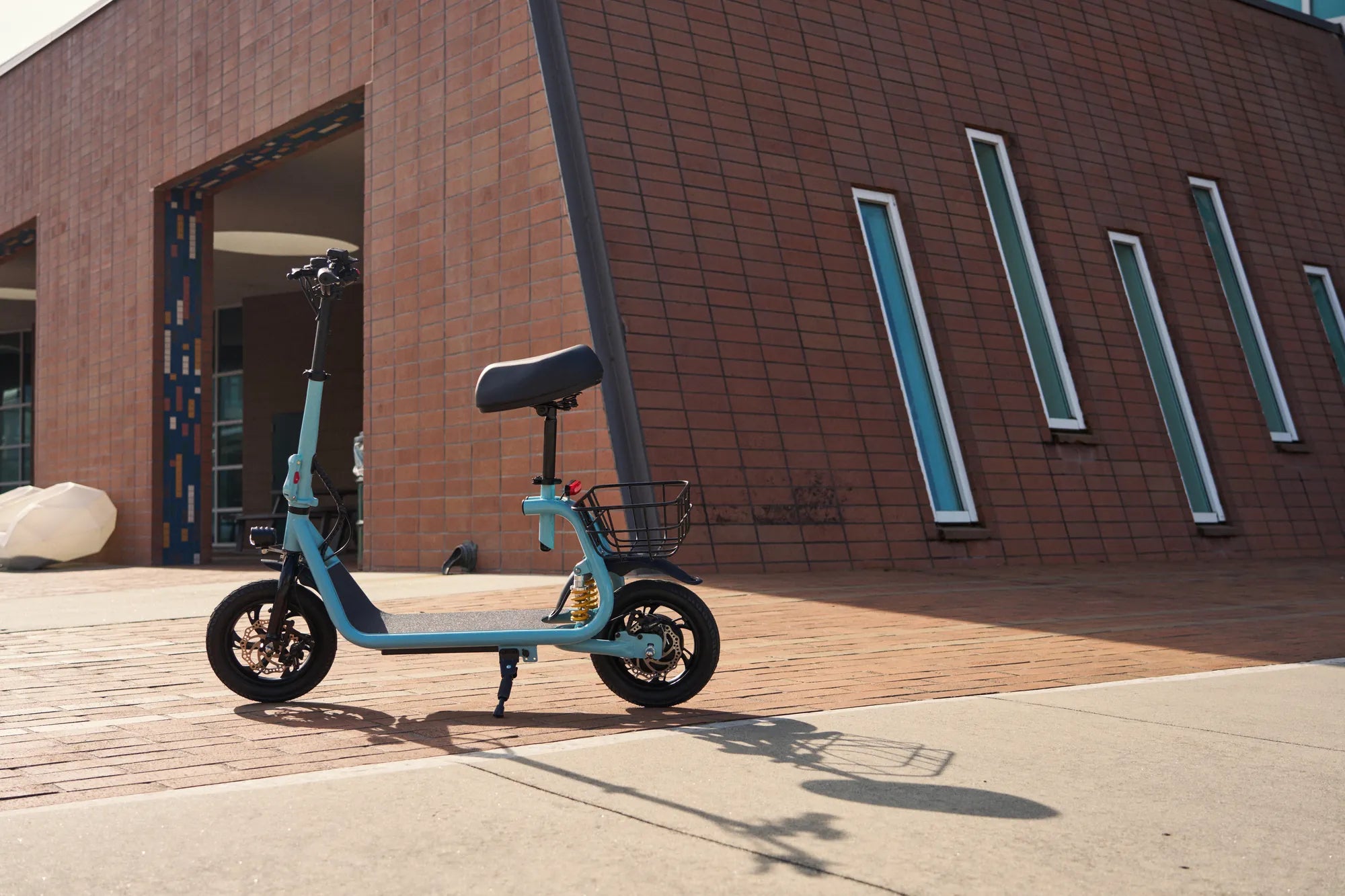
Introduction: The 100cc Benchmark in Modern Urban Mobility
A 100cc scooter represents a specific class of personal transportation, defined by its 100 cubic centimeter engine displacement. These vehicles have long served as the gateway to motorized mobility for millions worldwide, offering a practical balance of fuel efficiency, manageable power, and urban agility. The central question for any prospective rider is: what is the realistic 100cc scooter top speed? While manufacturer claims can be optimistic, the real-world answer involves engineering limits, practical variables, and rider expectations.
This article provides a data-driven analysis of 100cc scooter performance. We'll move beyond marketing specs to examine the actual speed you can expect on the road. You'll learn the key factors that influence your scooter's pace, from mechanical maintenance to environmental conditions. Understanding these elements is crucial for safe operation and setting realistic commuting expectations.
The 100cc scooter top speed is not just a number—it's a product of its design purpose. These scooters are engineered for city commuting, college campuses, and short suburban trips, not for highway dominance. Their value lies in providing sufficient speed for most urban corridors while maximizing fuel economy and minimizing cost and complexity.
We will also contextualize this performance against other options, including electric scooters. Brands like Gyroor offer electric models that provide compelling alternatives in the urban mobility space, with different performance profiles centered on instant torque and quiet operation. By the end, you'll know if a 100cc scooter's speed matches your needs.
Understanding the 100cc Scooter's Performance Profile
Engine displacement, measured in cubic centimeters (cc), refers to the total volume of air-fuel mixture an engine can draw in during one complete cycle. A 100cc engine is relatively small, typically producing between 6 to 9 horsepower in a modern four-stroke configuration. This power output is the primary determinant of potential speed, but it's only part of the equation.
The power-to-weight ratio is equally critical. Most 100cc scooters weigh between 180 and 250 pounds (82-113 kg) dry. With a rider added, this ratio dictates acceleration and the ability to overcome forces like wind resistance and inclines. The design prioritizes low-end torque for quick starts from stoplights rather than high-RPM top-speed runs.
It's vital to differentiate between theoretical and real-world top speed. Theoretical maximums are calculated under ideal, controlled conditions: a lightweight rider on a flat, smooth surface with no wind, using premium fuel and a perfectly tuned engine. Real-world speed is what you experience daily, affected by traffic, hills, cargo, and maintenance state.
The transmission system, usually a Continuously Variable Transmission (CVT), also plays a role. The CVT automatically adjusts the gear ratio to keep the engine in its optimal power band. A well-maintained CVT is essential for achieving the scooter's designed top speed, as worn belts or dirty rollers can cause power loss and sluggish acceleration.
Factors That Dictate Your Actual Top Speed
Rider Weight and Cargo: This is the most significant variable after engine size. Adding 50 pounds of rider or cargo weight can reduce top speed by 3-8 mph, as the engine must work harder to achieve the same velocity. The effect is more pronounced on inclines and during acceleration.
Road Gradient and Surface: Even a slight uphill grade demands more power to maintain speed. A 2% incline can easily cut 5 mph from your flat-road top speed. Rough road surfaces increase rolling resistance, further sapping energy that could be used for speed.
Maintenance State: A poorly maintained scooter will never reach its potential. Key items include proper tire pressure (low pressure creates drag), a clean air filter (restrictions choke the engine), a healthy CVT belt, and fresh engine oil. Neglect in any area leads to measurable performance degradation.
Wind Resistance: Aerodynamics matter, especially at speeds above 40 mph. Riding into a 15 mph headwind effectively means your engine must overcome the forces required to go 15 mph faster. The upright riding position on most scooters creates significant drag.
Engine Break-In and Age: A new engine's components need time to seat properly. Gentle riding during the first 300-600 miles can ensure optimal long-term performance. Conversely, an old, worn engine with diminished compression will lose power and top speed over time.
The Data: Real-World Speed Ranges for 100cc Scooters
Manufacturer claims for 100cc scooter top speed often range from 55 to 60 mph (88-96 km/h). However, extensive rider reports and independent tests reveal a more consistent real-world cruising top speed. For most modern four-stroke 100cc scooters, a sustainable speed is between 45 and 55 mph (72-88 km/h).
This range accounts for an average rider (160-180 lbs) on flat terrain with minimal wind. It represents the speed the scooter can comfortably hold, not just a brief downhill or tailwind-assisted peak. The variance within this band depends on the specific model's tuning, weight, and aerodynamic design.
To understand this performance, it's helpful to compare it to adjacent displacement classes. The table below illustrates typical performance metrics across common scooter categories.
| Displacement Class | Typical Real-World Top Speed | Primary Use Case | Avg. Fuel Economy (MPG) |
|---|---|---|---|
| 50cc | 30-40 mph (48-64 km/h) | Local errands, low-speed roads | 80-100+ |
| 100cc | 45-55 mph (72-88 km/h) | Urban/Suburban Commuting | 70-90 |
| 125cc | 55-65 mph (88-105 km/h) | Faster city roads, short highway stints | 65-85 |
| 150cc | 60-70 mph (96-113 km/h) | Confident highway capability | 60-80 |
As shown, the 100cc scooter top speed positions it squarely for urban and suburban travel. It can handle 45-50 mph arterial roads comfortably but begins to strain at sustained 55+ mph highway speeds where larger displacements are more secure. Its fuel economy remains excellent, a key advantage over larger engines.
The performance gap between a 100cc and a 125cc scooter is often more noticeable in acceleration and hill-climbing ability than in pure top speed. The extra 25cc provides more torque, making the ride feel more responsive in traffic, though the peak speed difference might only be 5-10 mph.
Safety and Legal Considerations at Top Speed
Riding a lightweight scooter at its maximum speed requires heightened awareness. The braking distance from 50 mph on a scooter with small-diameter wheels and often basic drum or small disc brakes can be 30-40% longer than a motorcycle. Maintaining a safe following distance is non-negotiable.
Stability can be challenged at high speeds, especially in crosswinds or over road imperfections. Most 100cc scooters have a relatively short wheelbase and simple suspension. This setup is perfect for nimble city maneuvering but can feel less planted at the upper limit of its speed capability compared to heavier vehicles.
Legally, a 100cc scooter is almost universally classified as a motorcycle in the United States and many other countries. This means you will need a standard motorcycle license (Class M), registration, insurance, and must always wear a DOT-approved helmet. It does not qualify for the moped/scooter license exemptions that often apply to 50cc models.
Furthermore, its 100cc scooter top speed brings it close to, or into, minimum speed limits on many highways and interstates. While it may technically reach 55 mph, many highways have minimum speeds of 45-50 mph, and traveling at the absolute limit leaves no margin for passing or safety. It is generally not recommended or legal to take a 100cc scooter on highways with posted limits of 60+ mph.
Maximizing and Maintaining Your Scooter's Performance
Achieving and maintaining your scooter's optimal 100cc scooter top speed requires disciplined maintenance. Follow the manufacturer's service intervals precisely. This includes regular engine oil changes (every 600-1,200 miles), air filter cleaning/replacement, and spark plug checks. Clean oil reduces internal friction, directly supporting power output.
The CVT system requires periodic attention. Every 3,000-5,000 miles, the drive belt should be inspected for cracks and wear. The variator rollers or sliders can become flat-spotted, preventing the transmission from reaching its highest ratio, which caps top speed. Replacing these with OEM or high-quality aftermarket parts can restore performance.
Tire maintenance is a simple yet effective performance booster. Keep tires inflated to the pressure listed on the sidewall or in the manual. Under-inflated tires increase rolling resistance, costing you 2-5 mph in top speed and reducing fuel efficiency. Check pressure weekly for consistent performance.
Regarding modifications, gains are limited without major engine work. Legal bolt-on options include a high-flow air filter and a performance exhaust, which might add 1-3 mph by improving engine breathing. Installing lighter variator rollers can improve acceleration and may slightly increase top speed by allowing the engine to rev more freely. Always prioritize reliability and legality over marginal speed increases.
How 100cc Gas Scooters Compare to Electric Scooters
The rise of personal electric vehicles (PEVs) offers a direct alternative to traditional gas scooters. High-performance electric scooters, like those from Gyroor, compete in the same urban commuting space but with a different power delivery and performance philosophy.
In terms of acceleration, a powerful electric scooter can often outpace a 100cc gas model off the line due to the instant torque of its electric motor. However, the sustained 100cc scooter top speed of 45-55 mph is typically higher than most consumer electric scooters, which commonly top out between 25-40 mph, though some high-end models reach 50+ mph.
The experience differs significantly. Electric scooters offer silent, vibration-free operation with zero direct emissions. They have fewer moving parts, leading to lower routine maintenance (no oil, filters, or spark plugs). However, their range is limited by battery capacity (often 20-40 miles per charge) and can be affected by cold weather, whereas a gas scooter can be refueled in minutes for a 100+ mile range.
Brands like Gyroor focus on reliability and safety in their electric models, using UL-certified battery packs and IPX5 water-resistant designs—factors that provide peace of mind similar to a well-built gas scooter. The choice often comes down to commute distance, access to charging, local regulations for e-scooters, and personal preference for noise and maintenance.
FAQ: 100cc Scooter Top Speed Questions Answered
Q: Can a 100cc scooter go on the highway?
A: It is generally not recommended or legal in many areas. While it may reach 55 mph, highway speed limits are often 65-70 mph, and minimum speeds can be 45-50 mph. Riding at your absolute maximum speed for extended periods is unsafe and leaves no power reserve for emergencies or passing.
Q: Is a 100cc scooter fast enough for a 10-mile commute on 45 mph roads?
A> Absolutely. This is the ideal use case. A 100cc scooter can comfortably cruise at 45-50 mph, making it perfectly suited for suburban arterial roads with speed limits up to 50 mph. It will be fuel-efficient and nimble in traffic.
Q: How does the top speed compare to a 50cc scooter?
A> The difference is substantial. A 50cc scooter typically maxes out at 30-40 mph (and is often restricted to 30 mph from the factory). A 100cc model provides an extra 15-20 mph of top speed, which is crucial for keeping up with city traffic flow and having a safer margin on faster roads.
Q: What is the fastest 100cc scooter ever made?
A> Historically, some high-strung two-stroke 100cc models from the sportbike-inspired scooter era could touch 60-65 mph. However, for modern, street-legal, four-stroke models designed for emissions compliance and reliability, the realistic ceiling is the 50-55 mph range discussed.
Q: Will derestricting my scooter increase the top speed?
A> Many modern 100cc scooters come from the factory with minimal restrictions, as they are already classed as motorcycles. Unlike 50cc models, there is often no simple "restrictor" to remove. Gains must come from proper tuning and maintenance, not bypassing emissions controls, which is illegal.
Conclusion: The Right Speed for the Right Ride
The realistic 100cc scooter top speed of 45-55 mph defines its role as a supremely capable urban and suburban commuter. Its value is not in breaking speed records but in providing an optimal blend of sufficient pace for city streets, exceptional fuel economy, low maintenance costs, and easy maneuverability. It is a rational choice for millions of riders worldwide.
For those whose needs align with this performance profile—daily commutes under 20 miles, errands around town, and travel on roads with speed limits up to 50 mph—a 100cc scooter remains a compelling and cost-effective solution. Its simplicity and proven technology offer reliability that is hard to match.
However, if your regular route requires sustained highway speeds or you carry a passenger frequently, stepping up to a 125cc or 150cc model is a wiser choice for safety and comfort. Alternatively, the evolving world of electric mobility presents new options. High-quality electric scooters and e-bikes offer a clean, quiet, and low-maintenance alternative for urban travel, with performance that increasingly overlaps with traditional small-displacement scooters.
Explore the full spectrum of modern personal transportation. Whether you prioritize the proven efficiency of a gas-powered scooter or the innovative, clean tech of an electric model, understanding performance specs like top speed is key to choosing your perfect ride. Browse the full Gyroor collection at gyroorboard.com to see how advanced electric models compare for your commuting needs.
Fat Tire Mobility Scooter: The Ultimate Guide to All-Terrain Freedom & Stability
Scooter Height Guide: The Complete Fit Manual for Optimal Riding