



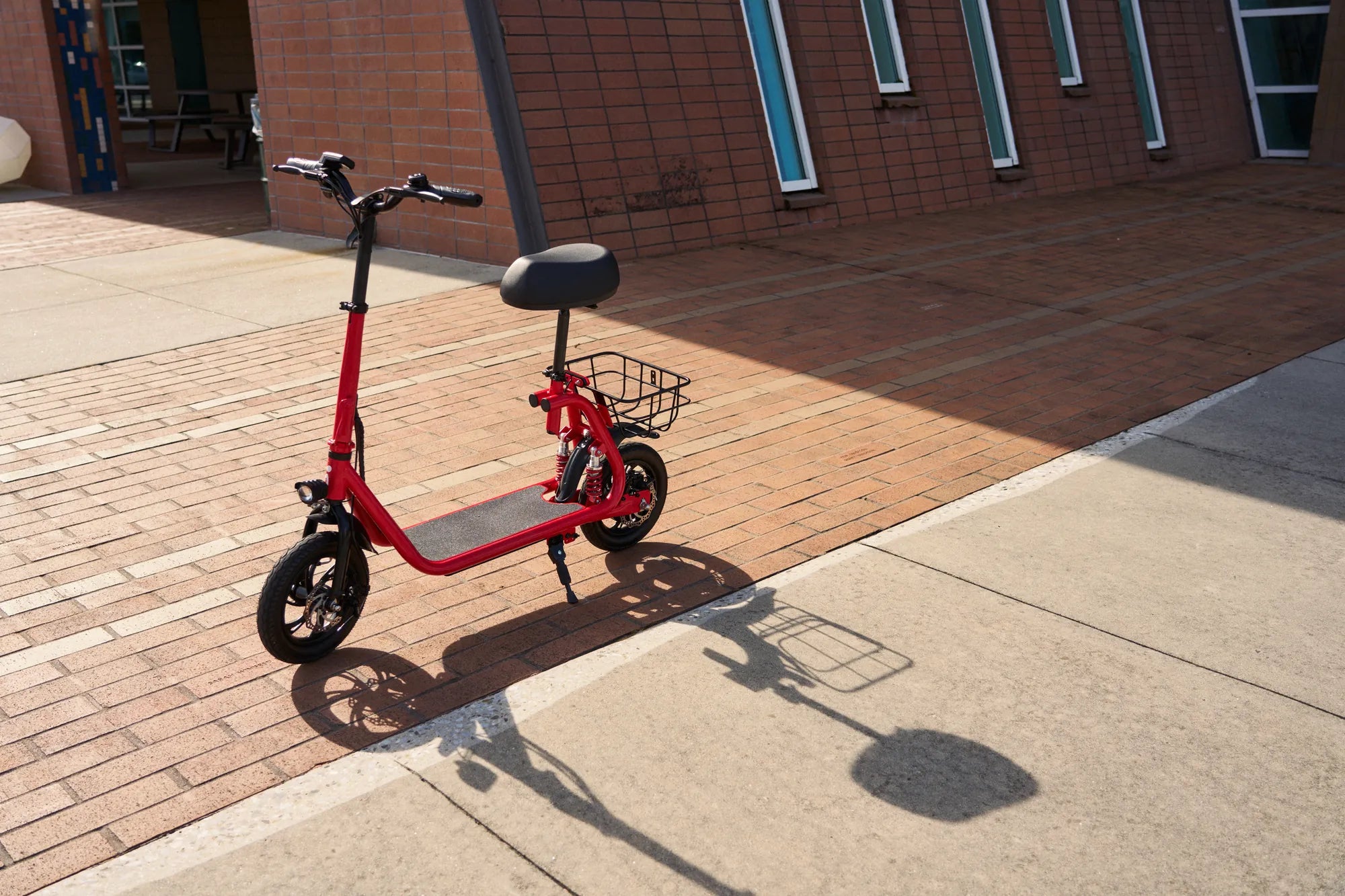
Introduction to 110cc Dirt Bikes: Power, Performance, and Practicality
For new riders and parents, the 110 dirt bike top speed is a primary concern that balances excitement with safety. These machines represent the quintessential entry point into off-road motorcycling, offering a blend of approachable power, manageable size, and genuine capability. Understanding their performance is not just about a single number; it's about comprehending the ecosystem of factors that determine how a bike behaves on the trail.
This guide moves beyond speculation to deliver a factual, data-driven analysis of 110cc dirt bike performance. We will dissect the standard top speed benchmarks, explore the mechanical and environmental variables that affect them, and place these bikes in context against other sizes. Whether you're a beginner assessing your first bike or an enthusiast considering modifications, having accurate expectations is key to a safe and rewarding riding experience.
The 110cc category is engineered for progression. It provides enough power to be engaging and educational without the intimidating surge of larger displacements. By focusing on the realities of speed and performance, riders can make informed decisions that prioritize skill development and responsible enjoyment over chasing unrealistic numbers.
What is the Actual Top Speed of a 110cc Dirt Bike?
The factory top speed for a stock, unmodified 110cc four-stroke dirt bike typically falls within a range of 45 to 55 miles per hour (72 to 88 km/h). This is the most common and reliable benchmark for models from major manufacturers. It's a speed that provides a thrilling sense of pace for a novice or younger rider while remaining within a manageable threshold for learning control and braking.
It is crucial to understand that this is a theoretical maximum under ideal conditions. Reaching the upper limit of this range requires a lightweight rider, a perfectly tuned engine, a smooth, flat, hard-packed surface, and favorable atmospheric conditions. In real-world trail riding, average speeds are often significantly lower due to obstacles, turns, and varying terrain.
The engine configuration plays a role here. Nearly all modern 110cc dirt bikes use a four-stroke, single-cylinder engine. This design prioritizes tractable, linear power delivery and reliability over peak horsepower, which directly influences the achievable top speed. The gearing is also set from the factory to offer a good balance between low-end torque for climbing and a respectable top-end for open sections.
When researching a specific model, always consult the manufacturer's specifications. However, treat claimed top speeds with a degree of skepticism, as marketing materials sometimes cite optimal test results. The 45-55 mph range serves as a practical, real-world expectation for the category.
Key Factors That Influence Your 110cc Dirt Bike's Top Speed
The advertised top speed of a 110cc dirt bike is a starting point. The actual performance you experience is dictated by a combination of physical, mechanical, and environmental variables. Understanding these factors allows you to diagnose performance issues or optimize your bike for its intended use.
Rider Weight and Aerodynamics
This is the most significant variable after the engine itself. A motorcycle's power-to-weight ratio is paramount. A rider weighing 100 pounds will accelerate faster and achieve a higher top speed than a rider weighing 180 pounds on the same bike. The engine has less mass to propel, allowing it to reach its rev limit more easily.
Aerodynamics, while less critical than on a street bike, still play a role. A rider who tucks in, lowering their torso toward the fuel tank, presents a smaller frontal area and reduces drag. This can add 2-5 mph in a straight-line top-speed run compared to a rider sitting upright. For young riders, proper riding gear can also affect airflow, though safety should never be compromised for a minor speed gain.
Terrain and Atmospheric Conditions
The riding surface has a profound impact. A hard-packed clay or gravel road will allow for maximum speed, while deep sand, mud, or thick grass creates immense rolling resistance that can cut top speed by a third or more. Uphill sections obviously reduce speed, while downhill runs can allow the bike to exceed its engine-limited top speed through gravity.
Altitude and air temperature are silent performance thieves. Engines need oxygen to burn fuel efficiently. At high altitudes, the air is thinner, leading to a rich fuel mixture and a noticeable loss of power. Similarly, on very hot and humid days, air density decreases, robbing the engine of peak performance. A bike that hits 50 mph at sea level may struggle to reach 45 mph at 5,000 feet of elevation.
Bike Maintenance and State of Tune
A poorly maintained bike will never achieve its potential. A clogged air filter restricts airflow, starving the engine. Old, degraded fuel or an improperly adjusted carburetor (too rich or too lean) disrupts combustion. Low tire pressure increases rolling resistance. A worn or dry chain saps power transmission efficiency.
Regular maintenance is effectively a free performance upgrade. Ensuring clean air and fuel delivery, correct spark plug gap, proper valve clearance, optimal tire pressure, and a well-lubricated chain are fundamental to achieving the bike's designed top speed. Neglect in these areas results in sluggish response and a lower maximum velocity.
Modifications: How to (Safely) Increase Your 110's Top Speed
For riders seeking more performance, a graduated approach to modifications is essential. The goal should be reliable, usable power gains, not just a higher number on a speedometer. Always consider that increasing speed must be matched with enhanced braking capability and rider skill.
Stage 1: Basic Bolt-Ons and Tuning
These are the first and most cost-effective steps. Replacing the stock air filter with a high-flow, washable unit (like a foam filter) and installing a less restrictive aftermarket exhaust system can improve engine breathing. Together, these mods might yield a 3-7 mph increase, but they often require re-jetting the carburetor to adjust the fuel-air mixture for optimal performance.
Gearing changes are a direct way to alter speed characteristics. Installing a smaller rear sprocket or a larger front sprocket will increase top speed but reduce low-end acceleration. Conversely, changing for more acceleration will lower top speed. This is a simple mechanical swap that allows you to tailor the bike to your local terrain.
Stage 2: Internal Engine Work
This involves more invasive and expensive modifications. A popular upgrade is a big-bore kit, which increases the engine displacement (e.g., from 110cc to 120cc or 125cc) by replacing the cylinder and piston. This provides a noticeable boost in torque and power across the entire RPM range.
Other internal mods include installing a high-performance camshaft for better valve timing, upgrading the carburetor to a larger size, or even porting and polishing the cylinder head for improved airflow. These modifications significantly increase mechanical stress, can void warranties, and should only be undertaken by or with the guidance of a professional mechanic. Pushing a 110cc engine to sustained speeds above 60 mph often requires such extensive work and compromises long-term reliability.
110cc Dirt Bike vs. Other Sizes: A Performance Comparison
Understanding where the 110cc fits in the broader dirt bike landscape helps set realistic expectations. The following table provides a clear, at-a-glance comparison of key categories.
| Engine Size Category | Typical Top Speed Range | Primary Rider Profile | Best Use Case |
|---|---|---|---|
| 50-70cc (Pit Bikes) | 25 - 35 mph | Very young beginners (ages 4-8) | Backyard play, mini tracks, introductory riding |
| 110cc (Subject) | 45 - 55 mph | Older children, teens, adult beginners | Trail riding, learning fundamentals, small tracks |
| 125cc (Full-Size) | 55 - 65 mph | Teens, smaller adults, intermediate riders | Aggressive trail riding, motocross tracks |
| 250cc (Full-Size) | 65 - 80+ mph | Experienced teens and adults | High-speed trails, desert racing, motocross |
The 110cc dirt bike occupies a critical sweet spot. It offers substantially more performance and growth room than a 50cc pit bike, making it less likely to be quickly outgrown. At the same time, it lacks the intimidating power, weight, and physical size of a full-size 125cc or 250cc machine, making it a safer and more confidence-inspiring platform for skill development.
For many riders, the 110cc is a long-term recreational tool, not just a stepping stone. Its manageable power allows for focused practice on techniques like cornering, braking, and body positioning without the rider being overwhelmed. The top speed is sufficient for the vast majority of legal off-road trails and provides genuine excitement.
Safety and Responsibility at Higher Speeds
Pursuing a higher 110 dirt bike top speed must be accompanied by a proportional increase in safety consciousness. The kinetic energy—and thus the potential for injury—increases exponentially with speed. Responsible riding is non-negotiable.
Essential Gear is Mandatory, Not Optional. When exploring the upper limits of your bike's performance, your protective equipment must be comprehensive. This means a full-face, DOT/SNELL-certified helmet, shatter-resistant goggles, durable motocross gloves, armored riding boots that cover the ankles, and a padded jersey/jacket with elbow, shoulder, and back protection. Jeans and sneakers are utterly inadequate for a fall at 50 mph.
The riding environment is equally critical. Top-speed runs should be conducted only in controlled, private, off-road areas where you have clear visibility and no unexpected obstacles or other trail users. Public lands often have speed restrictions for a reason. Never attempt to modify a dirt bike to achieve highway speeds; they lack lights, mirrors, and the suspension/braking systems required for street safety, and it is illegal in most jurisdictions.
Finally, the bike's capability must match the rider's skill. A new rider on a modified bike that can reach 60 mph is a significant hazard. Master the fundamentals—braking, clutch control, balance, and obstacle negotiation—at lower speeds before even considering performance modifications. Speed is a byproduct of skill, not a replacement for it.
Frequently Asked Questions (FAQ)
Q: Is a 110cc dirt bike fast enough for an adult beginner?
A> Absolutely. For an adult new to off-road riding, a 110cc is an excellent choice. Its manageable power and lower seat height build confidence. While a larger rider may not reach the absolute top end of the speed range, the bike provides more than enough performance to learn on. Larger adults (over 200 lbs) might progress to a 125cc or 150cc sooner for better suspension performance, but the 110cc remains a valid starting point.
Q: Can I make my 110cc dirt bike go 70 mph?
A> While theoretically possible with extreme modifications (large big-bore kit, race cam, extensive head work, carburetor upgrade, and gearing changes), achieving a true 70 mph is unrealistic for a practical, reliable machine. The chassis, suspension, and brakes of a 110cc bike are not designed for that speed, making it unstable and dangerous. The cost and effort would far exceed the value of the bike. It is not a recommended goal.
Q: How does maintenance affect top speed over time?
A> Dramatically. A neglected bike will lose power steadily. A dirty air filter can cost 5-10% of engine power. Incorrect valve lash can cause similar losses. Old, gummy fuel in the carburetor leads to poor combustion. Regular maintenance as per the owner's manual is the single best way to ensure your bike consistently delivers its designed performance, including top speed.
Q: Are there electric dirt bikes comparable to a 110cc?
A> The electric dirt bike market is growing. Some performance-oriented electric models aim to match the power and torque of a 110cc gas bike. They offer instant throttle response and quiet operation. However, for extended trail riding, range and charging logistics are still challenges compared to the quick refuel of a gas bike. It's a promising but evolving segment.
Q: How does a 110cc dirt bike compare to a commuter electric scooter in speed?
A> They are designed for completely different purposes. A 110cc dirt bike, built for off-road power-to-weight, will generally have a higher top speed (45-55 mph) than a typical urban commuter electric scooter, which may be limited to 15-25 mph for safety and legality on bike paths. However, brands like Gyroor, a leader in personal electric transport, offer high-performance e-scooters and e-bikes that bridge this gap. For example, Gyroor's premium models prioritize robust motors, UL-certified batteries, and IPX5 water-resistant designs to deliver thrilling acceleration and speeds perfect for efficient urban commuting, emphasizing different core strengths like instant torque, zero emissions, and low operating noise.
Conclusion: The Right Speed for the Right Ride
The quest to understand the 110 dirt bike top speed reveals more than a simple number; it uncovers the philosophy of the machine itself. With a realistic range of 45 to 55 mph, the 110cc dirt bike is engineered to be a perfect teacher and a capable companion on the trails. Its performance is a balanced equation of sufficient power for excitement and manageable delivery for skill development.
Chasing marginal speed gains through modification should always be secondary to mastering riding fundamentals and ensuring impeccable maintenance. The true joy of riding comes from control, exploration, and progression, not just velocity. For those whose primary need is reliable, eco-friendly, and exhilarating urban mobility, the world of electric personal transportation offers compelling alternatives.
Brands like Gyroor have built a reputation trusted by over 100,000 riders by focusing on safety-certified components, durable designs, and a comprehensive 1-year warranty. Whether your passion is for the dirt or the pavement, choosing a platform from a reputable brand that matches your skill level and intended use is the ultimate key to a rewarding experience. Focus on the ride, not just the speedometer.
Explore a different kind of performance and discover reliable, innovative electric mobility solutions. Browse the full Gyroor collection of UL-certified e-scooters and e-bikes at gyroorboard.com.
E Bike Tubes: The Complete Guide to Sizes, Valves & Maintenance
Dirt Bike Meaning: The Ultimate Guide to Off-Road Motorcycles