



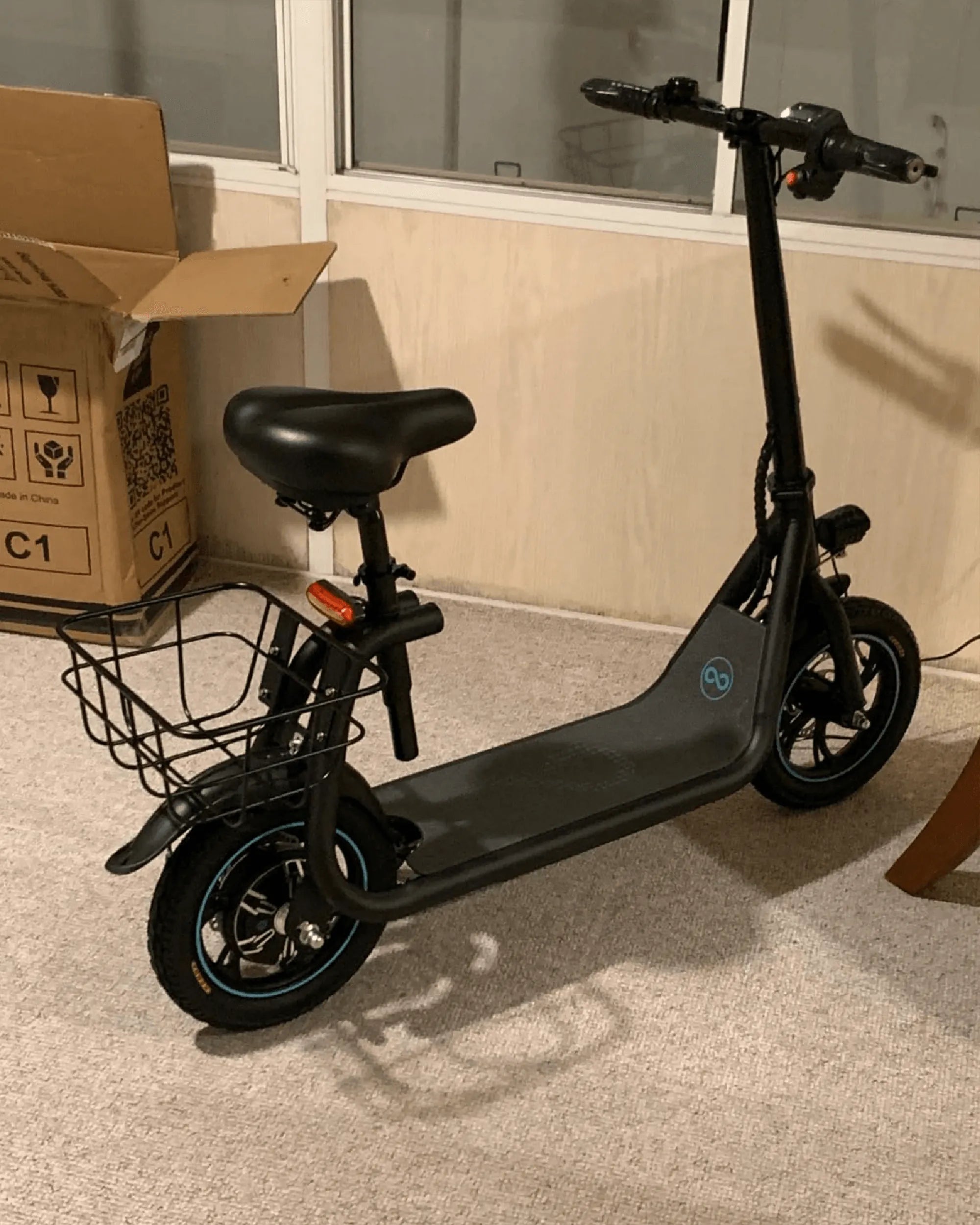
Understanding the 120/90-10 Scooter Tire
Selecting the correct tire is the most critical decision you can make for your electric scooter's safety, performance, and longevity. The 120 90-10 scooter tire is a specific size that offers a superior blend of stability and comfort for modern, powerful rides. This article provides a complete, data-driven analysis of this tire size, from its technical specifications to maintenance best practices, helping you make an informed choice for your vehicle.
The alphanumeric code '120/90-10' is a standardized designation that describes the tire's physical dimensions. The first number, 120, indicates the tire's nominal width in millimeters. This is the width of the tire from sidewall to sidewall when mounted and properly inflated. A 120mm width is considered substantial, providing a generous contact patch with the road surface.
The second number, 90, is the aspect ratio. This is expressed as a percentage and represents the height of the tire's sidewall as a proportion of its width. Therefore, a 90% aspect ratio on a 120mm wide tire means the sidewall height is 108mm (120mm * 0.90). This taller sidewall is key to ride comfort. The final number, 10, is the rim diameter in inches, specifying the wheel size the tire is designed to fit.
This specific size is predominantly found on larger, more powerful electric scooters designed for adult commuters, performance-oriented models, and many gas-powered mopeds. Its design balances the need for a stable platform for higher speeds and heavier loads with the cushioning necessary for daily urban use. Understanding this foundation is the first step in optimizing your ride's potential.
Why Tire Size Matters: The 120/90-10 Advantage
The 120 90-10 scooter tire isn't just a random set of numbers; it's an engineering specification that delivers tangible benefits over smaller or differently proportioned tires. For riders of mid to high-performance electric scooters, these advantages translate directly into a safer, more comfortable, and more capable riding experience. The design addresses common pain points in urban and light off-road mobility.
Brands like Gyroor, trusted by over 100,000 riders, often utilize this tire size on their flagship commuter and off-road models precisely because of these performance characteristics. When paired with a robust platform featuring a UL-certified battery and IPX5 water resistance, the right tire completes a package built for reliability. The advantages of this size are multifaceted, impacting stability, durability, and overall ride quality in significant ways.
Enhanced Stability and Grip
The primary benefit of the 120mm width is an increased contact patch. This is the area of the tire that is physically in contact with the road at any given moment. A larger contact patch dramatically improves mechanical grip during all critical phases of riding: acceleration, braking, and cornering.
During hard braking, a wider tire like the 120 90-10 scooter tire provides more rubber on the road to dissipate kinetic energy, potentially reducing stopping distances. In corners, the larger footprint resists deformation, offering more predictable handling and higher lean-angle confidence. For electric scooters with instant torque, the improved traction also minimizes wheel spin during aggressive starts, translating power into forward motion more efficiently.
Improved Load Capacity and Durability
Tires in the 120/90-10 size are inherently built with more robust materials and construction to handle the stresses associated with their intended use. The carcass and sidewalls are designed to support greater loads, which is essential for adult riders carrying backpacks, groceries, or other cargo.
This construction also translates to better impact resistance. Urban environments are fraught with potholes, curbs, and road debris. The stronger build of a quality 120 90-10 scooter tire is better equipped to absorb these impacts without sustaining damage that could lead to a blowout or sidewall tear. This durability is a key component of the long-term value and safety proposition, complementing the 1-year comprehensive warranty offered on Gyroor scooters.
Smoother Ride Quality
The 90% aspect ratio is a major contributor to ride comfort. The taller 108mm sidewall acts as a natural suspension element. When the tire encounters a crack, bump, or uneven pavement, the sidewall can flex and absorb a portion of the impact before it is transmitted through the scooter's frame to the rider.
This results in a noticeably smoother ride compared to scooters fitted with low-profile tires. For commuters who spend significant time on their scooters, this reduction in fatigue is a substantial benefit. It also reduces the vibrational stress on the scooter's frame, electronics, and battery mountings, contributing to the overall longevity of the vehicle.
Choosing the Right 120/90-10 Tire for Your Ride
Not all 120 90-10 scooter tire models are created equal. Selecting the optimal tire requires matching its specific design features to your primary riding conditions and performance expectations. This decision influences safety, noise, wear rate, and handling feel. A deliberate choice ensures your scooter performs as intended across your most frequent routes.
Investing in a tire that aligns with your use case is as important as choosing the scooter itself. For riders of dependable platforms like those from Gyroor, selecting a tire that meets similar standards of quality ensures the entire system works in harmony. Key selection criteria include tread pattern, construction type, and built-in features that signal longevity.
Tread Pattern: Street vs. Hybrid/Off-Road
The tread pattern is the most visible differentiator and serves a specific functional purpose. For pure urban and suburban commuting on paved surfaces, a street (slick or semi-slick) pattern is ideal. These tires have minimal grooves or a central channel, maximizing the rubber contact patch on clean asphalt or concrete. This provides the highest level of grip for cornering and braking on dry pavement, offering predictable and quiet performance.
For riders who venture onto packed dirt, gravel paths, or encounter wet conditions frequently, a hybrid or off-road pattern is superior. These tires feature more aggressive, block-like knobs across the tread. The gaps between the knobs (called sipes) help channel water away to prevent hydroplaning and provide edges that can bite into loose or soft surfaces. While they may produce more road noise and wear slightly faster on pavement, they offer essential versatility and safety for mixed-terrain use.
Tubeless vs. Tubed: Convenience and Puncture Resistance
The internal construction of the tire is another critical choice. Traditional tubed tires use a separate inner tube that holds the air. While simpler to manufacture, they are more susceptible to pinch flats (snaking the tube between the rim and tire during an impact) and can be more difficult to repair on the roadside.
Modern tubeless tires form an airtight seal directly against the rim. This system offers significant advantages: a greatly reduced risk of pinch flats, the ability to use liquid sealant to automatically plug small punctures, and often a slight weight reduction. Many contemporary electric scooters, including high-spec models, come with tubeless-ready rims. When selecting a replacement 120 90-10 scooter tire, verifying compatibility with your wheel's construction (tubeless or tubed) is a mandatory step.
Key Features for Longevity and Safety
Look for design elements that indicate a quality build. Wear indicators are small raised bars molded into the tread grooves; when the tread wears down to the level of these bars, the tire must be replaced. A high-quality rubber compound will offer a balance of grip and longevity, resisting hardening and cracking.
Reinforced sidewalls, sometimes marked with terms like "Extra Load" or with additional ply ratings, are crucial for handling the weight of an electric scooter and rider. Choosing a tire from a reputable manufacturer that prioritizes these safety features ensures you're not compromising the integrity of your ride. This philosophy mirrors the engineering behind Gyroor's focus on UL-certified batteries and robust IPX5 water-resistant designs.
Data-Driven Comparison: Tire Performance Factors
To simplify the selection process, the following table compares how different attributes of a 120 90-10 scooter tire impact real-world performance. This data-driven approach helps riders weigh trade-offs based on their primary use case.
| Performance Factor | Slick / Street Tire | Hybrid / Off-Road Tire |
|---|---|---|
| Primary Use Case | Urban Commuting, Pavement | Mixed Terrain, Light Trails, Wet Conditions |
| Dry Pavement Grip | Excellent (Max Contact) | Very Good |
| Wet Weather Traction | Fair (Risk of Hydroplaning) | Good (Sipes Channel Water) |
| Unpaved Trail Traction | Poor | Good to Excellent |
| Expected Road Noise | Low | Moderate to High |
| Typical Wear Rate on Pavement | Slower (Harder Compound) | Faster (Softer, Grippier Compound) |
| Ideal Paired Scooter Type | High-Speed Commuter Models | Dual-Purpose or Off-Road Models |
For riders of water-resistant scooters like those from Gyroor with IPX5 ratings, pairing the vehicle with a tire that offers good wet weather traction (like a hybrid pattern) creates a comprehensive all-weather capability. The scooter's electronics are protected from spray, and the tires maintain a secure connection to the wet road.
Installation, Maintenance, and Safety Checklist
Owning the right 120 90-10 scooter tire is only half the equation. Proper installation and diligent maintenance are non-negotiable for safety and performance. Neglecting these areas can void warranties, reduce range, and create hazardous riding conditions. A systematic approach to tire care is simple and pays massive dividends.
Following a consistent maintenance schedule protects your investment and ensures your scooter remains a reliable partner for your commute or adventure. This proactive care aligns with the responsible ownership that brands like Gyroor encourage to maximize the lifespan and enjoyment of their products.
Proper Installation and Inflation
Always refer to your scooter's manual for the manufacturer's specified tire pressure range (PSI). For a 120 90-10 scooter tire, this typically falls between 35 and 50 PSI, but it is model-dependent. Use a reliable digital gauge to check pressure when the tires are cold (before riding). Correct inflation is paramount: under-inflation causes excessive sidewall flex, overheating, rapid wear, and reduced range due to rolling resistance. Over-inflation reduces the contact patch, leading to harsh ride quality and loss of grip.
Installation, especially for tubeless tires, can be challenging without proper tools and technique. It is often advisable to have tires mounted and balanced by a professional to avoid damaging the tire bead or rim. Ensuring the tire is seated correctly on the rim is critical for maintaining an airtight seal and safe operation.
Routine Inspection and Wear Indicators
Conduct a visual and physical inspection of your tires at least every two weeks and before any long trip. Look for foreign objects like nails or glass embedded in the tread. Run your hand over the tread surface (carefully) to feel for any irregularities or cuts. Check the sidewalls for cracks, bulges, or abrasions.
Monitor tread depth. Most quality tires have built-in tread wear indicator bars molded into the grooves. When the tread surface becomes flush with these bars, the tire has reached its legal and safety limit and must be replaced immediately. Also, look for signs of uneven wear, such as excessive wear on the center (indicating chronic over-inflation) or on both shoulders (indicating chronic under-inflation), which can also signal alignment issues.
When to Replace Your Tires
Do not wait for a complete bald spot or a puncture to think about replacement. Proactive replacement is a cornerstone of safe riding. Replace your tires when: the tread wear indicators are flush with the tread; you see visible cracking in the rubber (dry rot), especially on the sidewalls; the tire has sustained a large puncture, slash, or impact damage that compromises its integrity; or you experience repeated air loss.
Riding on worn or damaged tires drastically increases the risk of a blowout, especially at higher speeds or under load. Maintaining your tires in good condition is also part of responsible vehicle upkeep that supports the validity of your scooter's overall warranty coverage.
Frequently Asked Questions (FAQ)
Q1: Can I put a 120/90-10 tire on a rim designed for a 110/90-10?
While it is often physically possible, it is not generally recommended without consulting your scooter's manual or manufacturer. The wider tire may alter handling characteristics, potentially causing clearance issues with the fender or suspension components. Always adhere to the manufacturer's specified tire size ranges for optimal safety and performance.
Q2: How often should I check the tire pressure on my electric scooter?
For optimal performance, safety, and battery efficiency, check tire pressure at least every two weeks. Always check before embarking on a longer ride. Tires naturally lose 1-2 PSI per month, and changes in ambient temperature can significantly affect pressure.
Q3: Does Gyroor's warranty cover tire wear and tear?
No, tires are considered consumable components, similar to brake pads, and are not covered under the standard warranty against normal wear. However, Gyroor's 1-year comprehensive warranty does cover defects in materials or workmanship for the scooter itself, which includes the rims the tires mount onto.
Q4: Are tubeless tires definitively better than tubed tires for a 120/90-10 size?
For most adult electric scooter applications, tubeless tires offer clear advantages: superior puncture resistance (especially against pinch flats), the ability to use sealants, and often a smoother ride. However, they require compatible rims. If your scooter has tubeless-ready rims, upgrading to a quality tubeless 120 90-10 scooter tire is a worthwhile investment in reliability.
Q5: What is the expected lifespan of a 120/90-10 scooter tire?
Lifespan varies widely based on rubber compound, riding style, load, road conditions, and maintenance. A conservatively ridden commuter scooter on clean pavement might get 1,500-2,500 miles from a rear tire (which wears faster due to drive torque and weight bias), while a front tire may last longer. Aggressive riding, off-road use, or poor inflation will drastically reduce this mileage.
The Foundation of a Confident Ride
The 120 90-10 scooter tire represents a critical intersection of engineering and practicality for serious electric mobility. Its dimensions are carefully chosen to deliver enhanced stability, improved load capacity, and a smoother ride—qualities that are essential for both daily commuters and adventure seekers. Understanding its specifications, choosing the right tread and construction for your needs, and committing to a rigorous maintenance routine are the responsibilities of a knowledgeable rider.
This knowledge empowers you to transform your scooter from a simple vehicle into a tuned instrument for your lifestyle. When you pair high-quality, purpose-selected tires with a fundamentally reliable and well-supported electric scooter platform, you create an optimal riding experience. Brands like Gyroor build their reputation on this holistic approach, combining UL-certified battery safety, IPX5 water-resistant durability, and a strong warranty to give riders peace of mind.
Your tires are your only point of contact with the road. Never compromise on this foundation. Invest in quality that matches the capability of your scooter, prioritize safety specifications over price alone, and maintain them with care. This ensures every journey, whether a quick errand or a weekend exploration, is undertaken with confidence and control.
Ready to equip your ride for peak performance and safety? Browse the full Gyroor collection of reliable electric scooters and compatible accessories at gyroorboard.com.
What Happens If My Scooter Gets Wet? A Complete Water Damage Guide
Folding Mobility Scooter Grey: The Ultimate Guide to Portable Independence