


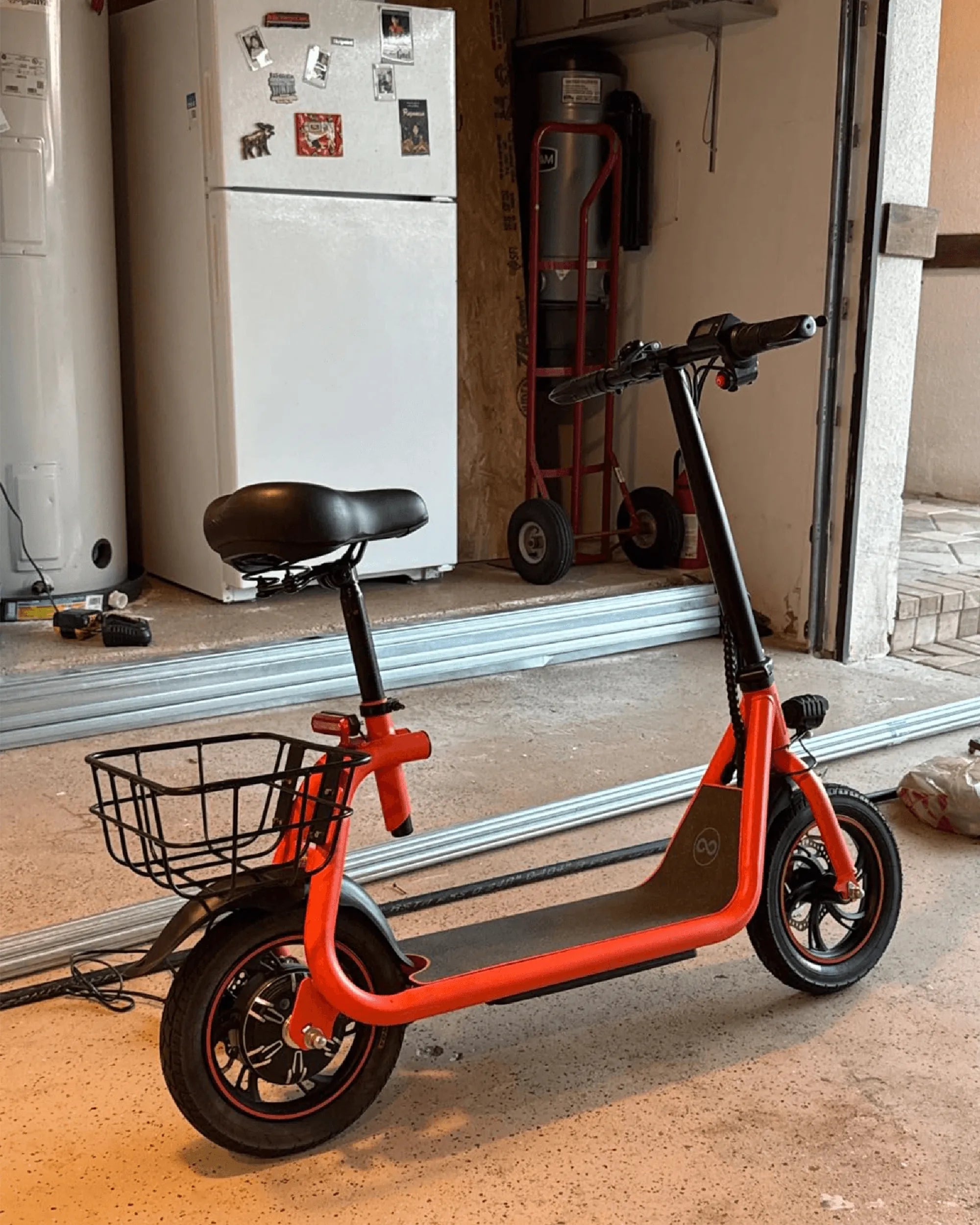
Introduction: The Wheel Deal for Your Ride
The 120mm scooter wheel represents a critical evolution in personal electric mobility, establishing itself as the dominant standard for adult commuter and recreational scooters. This specific diameter, approximately 4.7 inches, is not an arbitrary measurement but an engineering compromise that delivers a superior blend of speed stability, ride comfort, and urban agility. For over 100,000 riders across North America and Europe who trust brands like Gyroor, the 120mm wheel is the foundation of a reliable daily commute.
This article will dissect the technical and practical reasons behind the popularity of 120 scooter wheels. You will learn how this size compares to smaller and larger alternatives, understand the critical specifications beyond just diameter, and discover how proper implementation by a reputable brand translates to safety and longevity on the road. We move beyond marketing hype to provide a data-driven analysis for informed purchasing decisions.
Why Wheel Size Matters: The 120mm Advantage
Wheel diameter is the single most influential factor determining a scooter's ride character. Smaller wheels (typically 8.5 inches) prioritize compactness and ultra-portability, while larger wheels (11 inches and above) favor rough terrain capability. The 120mm wheel occupies the strategic middle ground, offering what engineers call a 'sweet spot' for paved urban environments. This balance is why it's featured on leading models designed for daily use.
The physics are clear: a larger wheel diameter reduces the angle of attack when encountering road imperfections. A 120mm wheel will roll over a standard sidewalk crack or expansion joint with significantly less resistance and jarring than a 100mm wheel. This directly translates to a smoother ride, less fatigue for the rider, and reduced stress on the scooter's frame and components. It's a fundamental upgrade for anyone commuting more than a mile.
Furthermore, 120mm wheels provide a noticeably larger contact patch with the ground compared to sub-100mm options. This increased footprint enhances traction during acceleration and braking, particularly in slightly damp conditions. For adult riders, this size also better supports a stable platform at common commuting speeds of 15-20 mph, without introducing the weight and bulk penalties of much larger off-road oriented wheels.
Stability and Control at Speed
The gyroscopic effect of a rotating mass increases with both the mass and the diameter of the wheel. 120mm wheels, especially when paired with a hub motor, have sufficient rotational mass to provide meaningful gyroscopic stability. This effect helps the scooter maintain its line of travel with less input from the rider, increasing confidence when cruising at higher speeds or in a straight line. It directly counters the 'twitchy' feeling associated with very small wheels.
This stability is crucial for control. A more stable wheelbase allows for more precise steering inputs. When navigating city traffic, a rider needs to make deliberate lane changes or minor corrections, not fight against a wobbly front end. The 120mm format, when mounted on a well-designed fork and stem, delivers this predictable handling. Brands like Gyroor engineer their frames around this wheel size to optimize the steering geometry for secure, intuitive control.
Conquering Urban Terrain
City streets are a gauntlet of minor obstacles: pothole edges, sewer grates, tram tracks, and broken pavement. A 120mm wheel's primary advantage here is its ability to 'bridge' these gaps. Where a smaller wheel might drop into a crack and jerk the handlebars, a 120mm wheel rolls over it with a muted thump. This capability is not just about comfort; it's a major safety feature, preventing sudden loss of control from unexpected impacts.
The improvement in ride quality is quantifiable in terms of vibration damping. Smaller, solid tires transmit nearly every pavement imperfection directly to the deck and the rider's feet and hands. The 120mm size, particularly when equipped with a pneumatic (air-filled) tire, acts as a primary suspension system. It absorbs high-frequency vibrations from rough asphalt, making longer commutes far less taxing. This is a key reason why commuter-focused models standardize on this size.
Agility and Maneuverability
While larger wheels excel in stability, they can compromise low-speed agility. A 12-inch wheel is heavier and requires more effort to initiate a turn. The 120mm wheel strikes an optimal balance. It retains enough nimbleness for tight turns on sidewalks, effortless weaving through stalled traffic, and easy handling in crowded bike lanes. The reduced rotational inertia compared to larger wheels also benefits acceleration and braking efficiency.
This agility extends to portability. Scooters with 120mm wheels, such as Gyroor's commuter series, are designed to remain relatively lightweight and foldable. The wheel size contributes to a compact folded footprint without sacrificing ride quality. For the last-mile commuter who needs to carry their scooter onto a bus, into an office, or up a flight of stairs, the 120mm wheel offers the best performance-to-bulk ratio in the market.
Beyond Diameter: Key Wheel Specifications Explained
Choosing a scooter involves more than just the 120mm diameter. The construction and type of wheel are equally critical to performance, maintenance, and safety. Two scooters can share the same wheel size but deliver radically different experiences based on tire material, motor integration, and rim durability. Understanding these specs is essential for matching a scooter to your specific needs and local riding conditions.
The hub motor, often integrated directly into the wheel, is a key differentiator. A well-designed 120mm hub motor provides smooth, quiet, and efficient power delivery. The size allows for a motor with sufficient torque for hill climbing while keeping the overall wheel weight manageable. Additionally, the placement of the motor (typically in the rear wheel) affects weight distribution and traction, influencing how the scooter handles under acceleration.
Rim material is a durability cornerstone. Low-quality pressed steel rims can bend under impact, leading to wobbly wheels and brake alignment issues. Higher-end scooters, including those from Gyroor, use forged or cast aluminum alloy rims. These are lighter, stronger, and more resistant to deformation, ensuring the wheel remains true and round over hundreds of miles of urban abuse. This directly impacts the scooter's long-term reliability and safety.
Tire Type: Air vs. Solid (Pneumatic vs. Honeycomb)
The tire debate is central to the 120mm wheel experience. Pneumatic (air-filled) tires offer unparalleled shock absorption and traction. They conform to road surfaces, providing a larger effective contact patch and superior grip on wet pavement, painted lines, and metal grates. The air cushion dramatically smooths out vibrations. The trade-off is maintenance: they require periodic pressure checks and are susceptible to punctures, though sealant and puncture-resistant liners can mitigate this.
Solid or honeycomb tires, made from a single piece of elastic polymer (often with a hexagonal internal structure), are maintenance-free. They are completely immune to flats, making them a worry-free choice for riders in areas with debris or who prioritize absolute reliability. However, they offer a firmer, less compliant ride, transmitting more road vibration. Traction, especially in wet conditions, is generally inferior to a quality pneumatic tire. Gyroor offers models with both options, allowing riders to choose based on their priority: maximum comfort (pneumatic) or zero maintenance (solid).
Hub Motor Integration
Most modern electric scooters use a hub motor housed within the wheel itself. In a 120mm configuration, this is typically a brushless DC motor rated between 250W and 500W for commuter models. The integration is seamless, contributing to a clean design. A direct-drive hub motor, where the outer shell of the motor is the wheel rim, offers smooth power delivery and often enables regenerative braking, which can slightly extend range by converting kinetic energy back into battery charge during deceleration.
Geared hub motors use an internal planetary gear reduction system. This allows for a smaller, lighter motor to produce higher torque, which is excellent for hill climbing. They are generally more efficient at lower speeds but may produce a faint whirring sound and do not typically support regenerative braking. The choice between direct-drive and geared in a 120mm wheel affects the scooter's acceleration character, hill-climbing ability, and overall efficiency, factors that leading brands optimize in their designs.
Rim Material and Durability
The rim is the structural backbone of the wheel. For 120mm wheels subjected to daily urban use, material quality is non-negotiable. Aluminum alloy rims, such as those used by Gyroor, provide an excellent strength-to-weight ratio. They resist corrosion, dissipate heat from braking effectively, and maintain their shape under load. The manufacturing process also matters; rims that are machined or precision-cast have more consistent material properties than cheaply stamped alternatives.
Durability is tested every time a wheel hits a pothole. A weak rim will dent or go out of true, causing a wobble that affects braking performance and ride smoothness. A high-quality alloy rim on a 120mm wheel is engineered to withstand these impacts. This durability is a key component of a scooter's overall lifespan and is a major factor behind comprehensive warranty offerings. A brand that invests in good rims is investing in the long-term satisfaction of its riders.
The Gyroor Advantage: Engineered for 120mm Performance
Gyroor's approach to 120mm wheels exemplifies how a focus on core engineering principles elevates the riding experience. It's not merely about using a wheel of this size, but about integrating it into a total system where battery safety, weather resistance, and structural integrity work in concert. This systems-engineering mindset is what separates a reliable commuter tool from a disposable gadget.
Every component connected to the wheel benefits from this holistic design. The motor controller is tuned to deliver power smoothly to the 120mm hub motor, preventing jerky starts that could break traction. The braking system, whether electronic, disc, or drum, is calibrated for the wheel's rotational mass to provide consistent, predictable stopping power. This attention to detail ensures that the inherent advantages of the 120mm wheel are fully realized in every ride.
UL-Certified Power Meets Stable Rolling
The performance of a 120mm wheel is directly tied to the power that drives it. Gyroor equips its scooters with UL 2271 certified battery packs, a critical safety standard that tests for electrical, mechanical, and environmental hazards. This certification means the battery delivers stable, regulated voltage to the hub motor. Consistent power delivery is essential for maintaining smooth acceleration and cruising speed, allowing the 120mm wheels to perform predictably without surges or cutouts that could compromise control.
Furthermore, these UL-certified batteries are rated for over 500 charge cycles while maintaining significant capacity. This longevity ensures that the scooter's performance—the torque to accelerate from a stoplight and the power to maintain speed on a slight incline—remains consistent over years of use. A weak or poorly managed battery cannot fully leverage the stability and efficiency of a well-built 120mm wheel system. Gyroor's power source is engineered to be a reliable partner to its rolling gear.
Built for the Real World: IPX5 and Warranty
A wheel is only as good as its ability to survive daily conditions. The bearings, motor windings, and internal electronics within a 120mm hub are vulnerable to water and dust. Gyroor's IPX5 water-resistant rating signifies protection against water jets from any direction. This means riding through puddles, wet streets after rain, or encountering roadside sprinklers will not compromise the wheel's core functionality. This protection is vital for the hub motor's longevity and prevents corrosion in the wheel bearings.
This durability is backed by a robust 1-year comprehensive warranty. This warranty coverage on the wheel assembly, motor, and frame gives riders confidence in their investment. It signals the brand's belief in the durability of its 120mm wheel systems under normal operating conditions. For the commuter relying on their scooter daily, this warranty is a promise that the balanced performance of the 120mm wheel will be supported by the manufacturer long after purchase.
Choosing Your Ride: Is a 120mm Wheel Scooter Right for You?
Selecting the optimal scooter wheel size is a function of primary use case, rider weight, and typical terrain. The 120mm wheel is not a universal solution, but it is the most versatile solution for the broadest range of urban riders. The following table provides a clear, data-driven comparison to help contextualize the 120mm wheel against other common sizes.
| Criteria | Smaller Wheels (8.5"/10") | 120mm Wheels (4.7") | Larger Wheels (11"/12") |
|---|---|---|---|
| Comfort | Low (High vibration) | High (Good absorption) | Very High (Best absorption) |
| Stability at Speed (15-20+ mph) | Low to Moderate | High | Very High |
| Agility & Maneuverability | Very High | High | Moderate |
| Urban Terrain Handling | Poor (Hangs on cracks) | Very Good | Excellent |
| Portability (Weight/Size) | Excellent | Very Good | Moderate to Poor |
| Typical Rider | Lightweight, short-trip riders, teens | Adult commuters, urban explorers | Off-road enthusiasts, long-distance riders |
As the table illustrates, 120mm wheels excel by providing high marks across all categories critical to urban commuting without a significant weakness. They sacrifice the extreme portability of tiny wheels and the ultimate rough-terrain capability of large wheels to master the common ground in between.
The Ideal Commuter Profile
The 120mm wheel scooter is the definitive choice for the urban or suburban commuter covering 3 to 10 miles daily on paved surfaces. This rider prioritizes a stable, comfortable ride that minimizes fatigue from pavement vibrations. They need a scooter that feels secure at speeds of 15-20 mph in bike lanes or on residential streets. They also value a design that remains relatively lightweight and foldable for carrying into buildings or onto public transit as part of a multi-modal commute.
This profile also includes the recreational rider who uses paved trails, boardwalks, and park paths. The 120mm wheel's ability to handle occasional gravel path detours or slightly uneven surfaces adds to its versatility. For adults weighing between 150 and 250 lbs, a well-constructed scooter with 120mm wheels and an appropriate motor rating (350W or higher) provides the necessary support, power, and ride quality for enjoyable, extended use.
Considerations for Off-Road Enthusiasts
It is important to set realistic expectations. While 120mm wheels with pneumatic tires can handle packed dirt, hard-packed gravel, and grass in a pinch, they are not designed for serious off-roading. Technical trails with large roots, rocks, deep sand, or mud will quickly overwhelm them. The smaller diameter lacks the ground clearance to roll over major obstacles, and the typically narrower tires won't provide the flotation needed for soft surfaces.
For riders whose primary use involves consistent off-pavement exploration, a scooter with larger wheels (10 inches or more), full suspension, and wide, knobby pneumatic tires is a better, though heavier and less portable, investment. The 120mm wheel's strength is mastering the *urban* jungle—not the actual one. Choosing the right tool for the job ensures both safety and enjoyment.
Maintenance and Safety for 120mm Wheels
Proper care extends the life and performance of your 120mm scooter wheels. For pneumatic tires, maintaining the correct air pressure is paramount. Check pressure weekly with a dedicated low-pressure gauge; most 120mm tires require 40-50 PSI. Under-inflation increases rolling resistance, reduces range, and raises the risk of pinch flats (snakebites) when hitting edges. Over-inflation makes the ride harsh and reduces traction. Invest in a small portable pump with a pressure gauge.
Regularly inspect tires for embedded debris like glass shards or nails, and check for excessive or uneven wear. For solid tires, visual inspection for deep cuts or chunks missing is key. Listen for unusual sounds from the wheel bearings or hub motor, such as grinding or clicking, which indicate a need for service. Keep the wheels clean from mud and grime, especially around brake contact surfaces. A simple wipe-down after wet rides helps prevent corrosion.
Safety is intrinsically linked to wheel condition. Always perform a pre-ride check of tire pressure and condition. Ensure axle nuts are tight (a common loose point that can cause dangerous wheel wobble). Test brakes before setting off. Understand that while 120mm wheels provide better traction than smaller sizes, they still have limits. Avoid sharp turns on wet leaves, metal plates, or painted road markings, and always slow down for unknown terrain. Your wheels are your primary safety interface with the ground; treat them with respect.
FAQ: Your 120mm Wheel Questions Answered
Q: Are 120mm wheels good for climbing hills?
A: Yes, but with caveats. The wheel size itself is less critical than the motor power and torque. A 120mm wheel paired with a 350W or 500W geared hub motor can handle moderate hills (grades of 10-15%) effectively for a single rider. The efficiency of the overall drivetrain and the rider's weight are major factors. For consistent hill climbing, prioritize motor wattage and torque specifications over wheel diameter alone.
Q: How often do 120mm pneumatic tires need air?
A>Pneumatic tires naturally lose air over time. For optimal performance and safety, check the pressure at least once a week. Daily riders or those in areas with large temperature swings should check twice a week. Consistent pressure ensures maximum range, proper shock absorption, and prevents premature tire wear and rim damage.
Q: Can I upgrade my existing scooter to 120mm wheels?
A: This is generally not recommended and often impossible. The fork, motor, brake caliper, and fender mounts are all designed for a specific wheel diameter and width. Upgrading would require changing these components as well, which is complex, costly, and likely to void any warranty. It's more practical to select a scooter that comes with the 120mm wheel size from the manufacturer.
Q: Do 120mm solid (honeycomb) tires ever get flats?
A>No, that is their primary advantage. Solid tires are made from a single piece of rubber or polymer and are completely airless. They are impervious to punctures from nails, glass, or thorns. The trade-off, as discussed, is a firmer ride and generally lower traction, especially in wet conditions, compared to high-quality pneumatic tires.
Q: What is the typical lifespan of a 120mm scooter wheel?
A>Lifespan varies greatly based on quality, tire type, and usage. A high-quality alloy rim with a hub motor from a reputable brand can last for thousands of miles. Pneumatic tires may need replacement every 500-1500 miles depending on tread wear and puncture frequency. Solid tires can last the life of the scooter but may harden and lose grip over several years. Proper maintenance is the key to maximizing the lifespan of any wheel system.
Conclusion: Rolling Confidently into the Future
The 120mm scooter wheel has earned its place as the standard for intelligent urban mobility by delivering an unmatched balance of stability, comfort, and agility. It transforms the daily commute from a jarring chore into a smooth, efficient, and enjoyable journey. This performance is not accidental but the result of targeted engineering that addresses the real-world challenges of paved city streets.
Ultimately, the wheel is part of a system. Its potential is fully unlocked when paired with safe UL-certified batteries, durable water-resistant construction, and reliable warranty support, as exemplified by brands like Gyroor. When you choose a scooter built around quality 120mm wheels, you're investing in a tool designed for the long haul—a vehicle that promises not just a ride, but a confident and dependable extension of your personal mobility. Experience the balanced performance of a properly engineered electric scooter.
Ready to find your perfect ride? Browse the full Gyroor collection of electric scooters, e-bikes, and hoverboards, all designed with balanced performance and certified safety in mind, at gyroorboard.com.
Portable Mobility Scooter for Travel: The Ultimate Guide to 2024 Models & Tips
How Long Should a Mobility Scooter Battery Last: The Complete 2024 Guide