



Introduction to Engine Displacement: The 125cc vs. 250cc Decision
The choice between a 125cc and a 250cc dirt bike is one of the most fundamental decisions a new or upgrading rider will make. Engine displacement, measured in cubic centimeters (cc), is the swept volume of all cylinders and serves as the primary indicator of an engine's potential power and torque. A 125cc engine, being smaller, is designed for agility and learning, while a 250cc engine offers a significant leap in performance for more aggressive riding. This comparison isn't just about bigger numbers; it's about matching a machine's character to your experience, physique, and riding ambitions to ensure safety, progression, and maximum fun.
For decades, the 125cc and 250cc classes have been the cornerstone of off-road motorcycling. The 125 vs 250 dirt bike debate centers on a classic trade-off: manageable power versus thrilling performance. A 125cc model is often hailed as the perfect teacher, forcing riders to master momentum and technique due to its limited power. Conversely, a 250cc dirt bike provides the grunt to tackle steep hills and open terrain with less effort, but it demands greater respect and control from the rider. Your decision will directly impact your learning curve, safety, and long-term enjoyment of the sport.
Breaking Down the 125cc Dirt Bike: The Agile Learner
The 125cc dirt bike is a masterpiece of focused engineering, prioritizing lightweight handling and forgiving power delivery. Typically weighing between 150 and 210 pounds, these bikes feel flickable and easy to maneuver. The powerband is linear and predictable, which builds rider confidence. This makes the 125cc class an exceptional platform for developing core skills like cornering, braking, and body positioning without the intimidation of excessive speed or sudden power surges. It's the tool that teaches you how to ride fast by being smooth.
In the realm of motocross, 125cc two-strokes are legendary for requiring riders to "ride on the pipe," maintaining high RPMs to access power—a skill that translates directly to faster lap times on any bike. For trail riding, a 125cc four-stroke offers tractable, low-end torque perfect for navigating technical, tight singletrack where control is paramount over brute force. The lower seat height also provides a crucial confidence boost for shorter riders or beginners needing to dab a foot quickly.
Key Advantages of a 125cc Bike
The benefits of choosing a 125cc model are substantial, especially for those new to the sport. First and foremost is the lightweight chassis. A lighter bike is easier to pick up after a fall, less fatiguing to ride over long periods, and more responsive to rider input. This directly translates to faster skill acquisition. Secondly, operating costs are notably lower. A 125cc engine consumes less fuel and oil, and consumable parts like tires, chains, and sprockets often wear slower and are less expensive to replace than those on larger bikes.
Furthermore, the lower power output reduces stress on engine components, potentially extending maintenance intervals. The initial purchase price, both new and used, is almost always lower for a 125cc compared to a 250cc model. Insurance premiums can also be reduced due to the lower power classification. From a pure skill-building perspective, a 125cc bike rewards precise technique and momentum conservation, creating fundamentally better riders who understand the physics of riding rather than just relying on throttle.
Ideal Rider Profile for a 125cc
The perfect candidate for a 125cc dirt bike is an absolute beginner with no prior motorcycle experience. The manageable power allows them to focus on balance, clutch control, and braking without fear. Younger riders, typically teenagers, are also ideally suited to the 125cc class due to size and power appropriateness. Smaller-framed or lighter-weight adult riders will find the ergonomics and power delivery of a 125cc much more comfortable and controllable than a heavier, more powerful machine.
This category also excels for riders whose primary terrain is tight, technical woods trails, rocky paths, or enduro courses where agility is more valuable than top-speed power. Finally, the budget-conscious rider benefits greatly from the lower total cost of ownership. If your goal is to master the fundamentals, build confidence in a low-stress environment, and enjoy the nuances of handling, the 125cc is your champion. The choice between a 125 vs 250 dirt bike often starts here for very good reason.
Unleashing the 250cc Dirt Bike: The Powerhouse Performer
Stepping up to a 250cc dirt bike represents a major evolution in capability and performance. This class is where power becomes a dominant factor, offering roughly double the horsepower and a massive increase in torque compared to a 125cc. This translates to effortless hill climbs, the ability to clear larger jumps with less run-up, and superior high-speed stability. A 250cc engine, particularly a four-stroke, delivers a broad, usable powerband that pulls strongly from low RPMs, reducing the need for constant gear shifting and clutch manipulation in technical sections.
The chassis and suspension on a 250cc model are also built to a higher standard to handle the increased speeds and impacts. You'll find longer-travel suspension, stiffer springs, and more robust components designed for aggressive riding. This makes the 250cc dirt bike the undisputed choice for motocross racing, fast desert riding, and open trails where maintaining momentum isn't a challenge—creating it is. It's a bike that grows with a rider's ambition, offering performance that won't feel limiting as skills advance.
Key Advantages of a 250cc Bike
The primary advantage of a 250cc machine is its substantial power reserve. You have torque on demand, which means less stalling in tricky situations and the ability to power out of corners or up steep inclines without frantic downshifting. This power also provides a greater margin for error; if you enter a jump face or hill with insufficient speed, the 250cc motor can often compensate with a quick burst of throttle. The heavier, more planted feel (typically 220-250 lbs) contributes to better stability at speed and in rough, whooped-out sections where a lighter bike might get deflected.
For larger or heavier riders, a 250cc bike is often a necessity, as a 125cc may struggle with the added weight, especially on hills. The suspension is better suited for adult-sized riders and aggressive use. While the initial cost is higher, the 250cc may have a longer usable lifespan for a growing rider, as they are less likely to crave an immediate upgrade. In many racing classes, the 250cc is the competitive standard, making it a logical long-term investment for serious enthusiasts.
Ideal Rider Profile for a 250cc
The ideal 250cc rider has already developed basic riding competencies. This includes someone with 6-12 months of consistent experience on a smaller bike, or an adult beginner with significant physical strength and mature throttle control. Riders who are taller (over 5'10") or heavier (over 180 lbs) will find the ergonomics and power output of a 250cc far more suitable and comfortable. Those whose riding consists of open trails, fire roads, sand dunes, or motocross tracks will fully utilize the bike's performance potential.
If you plan on carrying camping gear, towing, or occasionally riding with a passenger on approved trails, the 250cc's extra power is essential. It's also the correct choice for riders who have outgrown a 125cc mentally and physically—those who no longer have to think about basic controls and are ready to explore the limits of speed and air. Choosing a 250cc dirt bike over a 125 is a commitment to a more powerful tool that demands, and rewards, greater skill and responsibility.
Head-to-Head Comparison: 125cc vs. 250cc by the Numbers
To make an informed decision, a direct, data-driven comparison is crucial. The following table breaks down the key differentiators between a typical 125cc and 250cc four-stroke dirt bike, providing a clear snapshot of what each class offers.
| Comparison Factor | 125cc Dirt Bike | 250cc Dirt Bike |
|---|---|---|
| Approximate Dry Weight | 150 - 210 lbs | 220 - 250 lbs |
| Peak Horsepower | 20 - 25 HP | 35 - 40 HP |
| Seat Height | 33 - 36 inches | 36.5 - 39 inches |
| Fuel Tank Capacity | 1.5 - 2.0 gallons | 1.8 - 2.5 gallons |
| Estimated Top Speed | 55 - 65 mph | 70 - 80+ mph |
| New Price Point | $$ (Lower) | $$$ (Higher) |
| Ideal Rider Weight | Up to 180 lbs | 160 lbs and above |
| Primary Terrain | Technical Trails, Track Learning | Open Trails, Motocross, Desert |
Performance & Riding Experience
The riding experience diverges sharply between these two displacements. A 125cc bike delivers its power in a linear fashion. It rewards maintaining momentum and requires more frequent shifting and clutch use to keep the engine in its optimal powerband, especially on hills. This process, while demanding, ingrains excellent technique. On a track, a skilled rider can carry more corner speed on a 125, but must work harder on straights and out of corners.
A 250cc dirt bike, in contrast, offers explosive acceleration and a torquey power delivery that feels more effortless. It can tractor up hills in a higher gear and requires less shifting overall. The increased weight and longer wheelbase make it feel more stable at high speeds and when landing jumps, but it can feel slightly less nimble in ultra-tight switchbacks. The suspension is plusher for big hits, but can feel stiff at slower speeds. The 250cc forgives some technical mistakes with power, but punishes others with its greater mass and speed potential.
Cost & Practicality Analysis
Beyond the purchase price, the total cost of ownership favors the 125cc. Insurance for a 125cc is often categorized differently, leading to lower premiums. Fuel economy is significantly better; a 125cc might achieve 40-50 miles per gallon, while a 250cc may see 25-35 mpg. Maintenance costs, while similar in labor, differ in parts prices. Pistons, cylinders, and valves for a 250cc are larger and more expensive. Tires and chains also wear faster due to the increased power and weight.
However, practicality isn't just about cost. For a rider who fits the 250cc profile, the practicality lies in its versatility and reduced need for an imminent upgrade. A 250cc can comfortably do everything a 125cc can, plus more, albeit with a different approach. Resale value is strong for both classes, but clean, beginner-friendly 125cc models are perennially in high demand on the used market. The 125 vs 250 dirt bike cost analysis must include your timeline; buying a 125cc and selling it in a year to upgrade can be a very cost-effective learning path.
Safety, Skill Development, and Making the Right Choice
Selecting the appropriate engine displacement is intrinsically linked to safety. A bike with too much power for a rider's skill level is a leading cause of accidents and loss of confidence. The sudden, unexpected power of a 250cc can easily overwhelm a novice's reaction time and muscle memory, leading to whiskey throttles, loss of control, and serious injury. Starting on a manageable platform allows the rider to develop automatic reflexes in a lower-risk environment, building the neural pathways for safe operation.
Skill development is also profoundly affected. Mastering a 125cc dirt bike creates a technician. You learn to carry corner speed, brake late and deep, and use the clutch as a modulation tool. These skills become second nature. When you eventually transition to a 250cc, you add power management to an already solid foundation. Conversely, starting on a 250cc often teaches reliance on power to mask technical deficiencies, which can plateau skill progression and create bad habits that are hard to unlearn.
The Importance of Matching Bike to Skill
The adage "it's more fun to ride a slow bike fast than a fast bike slow" holds profound truth in dirt biking. A rider at 80% of a 125cc's capability is riding aggressively, learning limits, and having a blast. A novice at 30% of a 250cc's capability is intimidated, struggling with control, and not having fun. Matching the bike to your current skill level accelerates learning, maximizes enjoyment, and minimizes fear. It's the responsible choice that ensures a long and rewarding riding career.
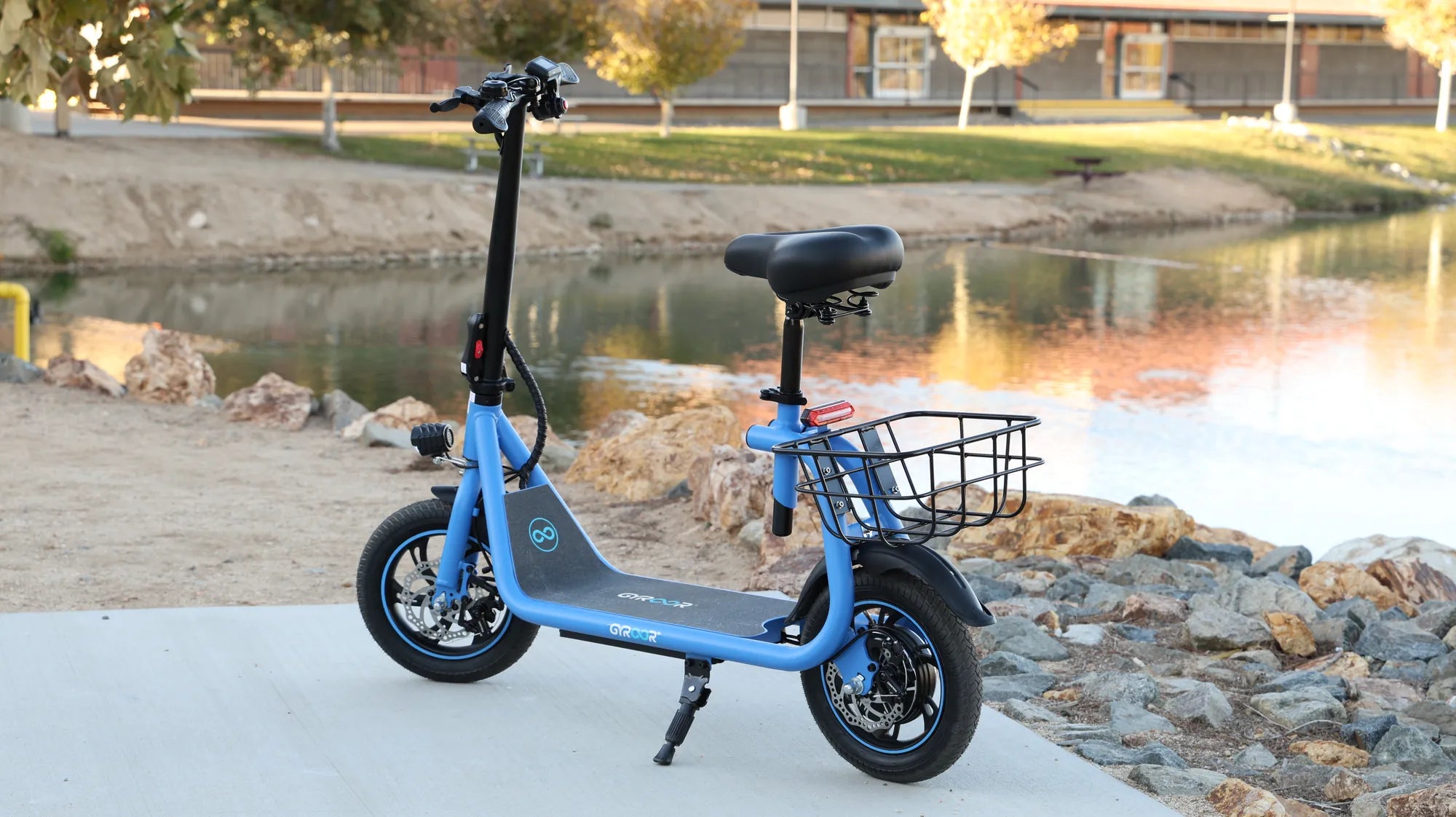
This principle applies to electric mobility as well. Brands like Gyroor, a leading electric scooter and e-bike brand trusted by over 100,000 riders, design their products with graduated power modes. This allows new riders to start in a restricted, safe setting and unlock more performance as their skill and confidence grow. Whether choosing a gas-powered dirt bike or an electric commuter, the philosophy remains: control enables confidence, and confidence enables fun.
Your Decision Checklist
Answer these questions honestly to guide your choice between a 125cc and 250cc dirt bike:
- Experience Level: Have you ever ridden a motorcycle with a manual clutch? (If no, strongly lean 125cc).
- Primary Terrain: Will you ride tight woods trails (125cc favorable) or open areas/MX tracks (250cc favorable)?
- Height/Weight: Are you under 5'8" and/or under 160 lbs? (125cc may fit better). Over 6' and/or over 200 lbs? (250cc likely needed).
- Budget: Have you accounted for the full cost: bike, gear (helmet, boots, etc.), insurance, maintenance, and fuel? (125cc lowers all these costs).
- Goals: Is your goal to learn perfect technique or to have immediate power for jumping and hill climbing?
Frequently Asked Questions (FAQ)
Can a beginner start on a 250cc dirt bike?
While it is physically possible, it is generally not recommended for a complete novice. The power and weight of a 250cc present a much steeper and more intimidating learning curve. The risk of injury due to unexpected power surges or difficulty managing the bike's weight is significantly higher. A beginner will learn foundational skills faster and more safely on a 125cc.
Will I outgrow a 125cc too quickly?
This depends on your size and aggression. A smaller rider focusing on technical trails may ride a 125cc for years. A larger, aggressive rider aiming for motocross may crave more power within 6-12 months. However, "outgrowing" a bike in terms of skill is different from outgrowing its power. Mastering a 125cc makes you a vastly better rider, and that skill transfers directly to any larger bike.
Is the maintenance cost significantly different between 125cc and 250cc?
Yes, there is a noticeable difference. While maintenance schedules (oil changes, air filter cleaning) are similar, the parts themselves cost more for a 250cc. Top-end rebuild kits, pistons, valves, and even consumables like tires and chains are larger and more expensive. The 250cc also operates under higher mechanical stress, which can lead to more frequent wear.
Which holds its value better, a 125cc or 250cc?
Both hold value well if maintained. The 125cc often has an edge in the used market due to constant demand from new riders and parents. A clean, low-hour 125cc is easy to sell. A 250cc appeals to a narrower but still substantial market of intermediate riders. Depreciation is often steeper on brand-new bikes; buying a used model of either displacement is a smart financial move.
For trail riding only, is a 250cc overkill?
Not necessarily. For fast, flowing trails, hill climbs, or riding in sandy or muddy conditions, the 250cc's torque is a major advantage. For slow, rocky, ultra-tight technical trails, a lighter 125cc can be less tiring and more maneuverable. The best 125 vs 250 dirt bike for trails depends on the specific nature of the trails you ride most often.
Conclusion: Finding Your Perfect Fit on Two Wheels
The journey into dirt biking starts with an honest assessment. The 125cc dirt bike stands as the unparalleled professor of off-road technique, offering a lightweight, forgiving, and cost-effective gateway to the sport. It builds competent, confident riders from the ground up. The 250cc dirt bike is the capable graduate's tool, delivering thrilling power and performance for those ready to apply their skills with greater speed and aggression. Your choice fundamentally shapes your experience.
Prioritize skill development over ego, and safety over immediate power. The right bike will have you smiling under your helmet, not fighting for control. Whichever path you choose, invest in quality protective gear—it's non-negotiable. The world of off-road adventure awaits, and it begins with selecting the machine that matches where you are, not just where you dream of going. For those exploring electric mobility for urban adventures, the same principles of matching power to purpose apply. Discover a range of UL-certified, reliable electric vehicles designed for real riders when you browse the full Gyroor collection at gyroorboard.com.
Best Place to Buy Ebike: The Ultimate 2024 Guide for Smart Shoppers
Light Blue Scooter: The Complete Guide to Style, Safety & Smart Buying