



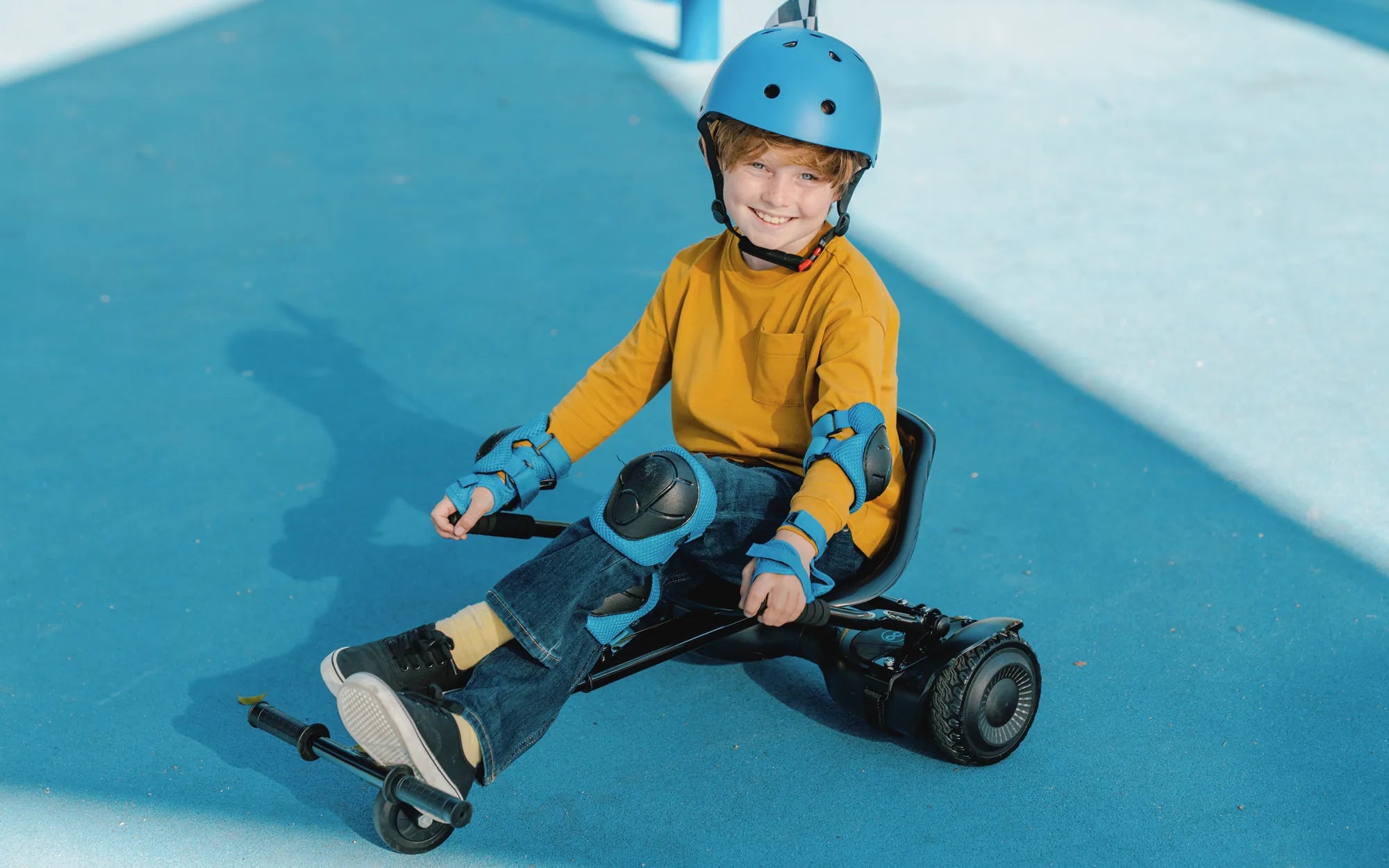
Imagine the sight of a 14-month-old girl gliding effortlessly on a hoverboard—her tiny feet barely reaching the edges, her face lit up with pure joy. It’s a scene that captures attention, raises eyebrows, and sparks curiosity. How is this possible? What does it mean for her development? And most importantly, is it safe? This article dives deep into the phenomenon of toddlers on hoverboards, unpacking the risks, rewards, and everything in between.
The Rise of Toddlers on Hoverboards
Hoverboards, once considered a futuristic gadget for teens and adults, are now making their way into the hands—or rather, under the feet—of toddlers. Videos of a 14-month-old girl on a hoverboard have gone viral, leaving many parents amazed and others concerned. The trend raises questions about the appropriateness of such devices for very young children and whether they offer any developmental benefits.
Developmental Milestones and Early Mobility
At 14 months, most children are just learning to walk or have recently mastered the skill. Introducing a hoverboard at this stage could either accelerate their motor skills or hinder natural development. Experts suggest that while balance and coordination can be improved through such devices, they should never replace traditional crawling and walking, which are critical for muscle and bone development.
Safety Concerns: A Top Priority
The idea of a 14-month-old girl on a hoverboard is undeniably adorable, but safety must come first. Hoverboards are not designed for toddlers, and their lack of stability and speed control can pose serious risks. Parents should consider the following precautions:
- Always supervise the child closely.
- Use protective gear, including helmets, knee pads, and elbow pads.
- Choose hoverboards with speed limiters and beginner modes.
- Avoid uneven or slippery surfaces.
The Psychological Impact
Beyond physical safety, there’s the question of how hoverboards affect a toddler’s psychological development. Some argue that early exposure to technology can enhance problem-solving skills and adaptability. Others worry it might lead to overstimulation or a reliance on gadgets for entertainment. Striking a balance is key.
Parental Responsibility and Informed Choices
Parents play a crucial role in deciding whether a hoverboard is appropriate for their child. Research, consultation with pediatricians, and a thorough understanding of the child’s abilities are essential. If a 14-month-old girl is introduced to a hoverboard, it should be done gradually and with extreme caution.
Alternatives to Hoverboards for Toddlers
For parents intrigued by the idea but wary of the risks, there are safer alternatives to hoverboards that still promote balance and coordination:
- Push toys or ride-on cars
- Balance bikes
- Soft play mats with interactive elements
The image of a 14-month-old girl on a hoverboard is both captivating and controversial. While it showcases the incredible adaptability of young children, it also serves as a reminder of the importance of safety and developmental appropriateness. Whether you’re a parent considering a hoverboard for your toddler or simply fascinated by the trend, one thing is clear: the conversation about kids and technology is far from over.
Batteries for Hoverboards: The Ultimate Guide to Powering Your Ride
Are All Hoverboards the Same? Unveiling the Truth Behind the Hype