

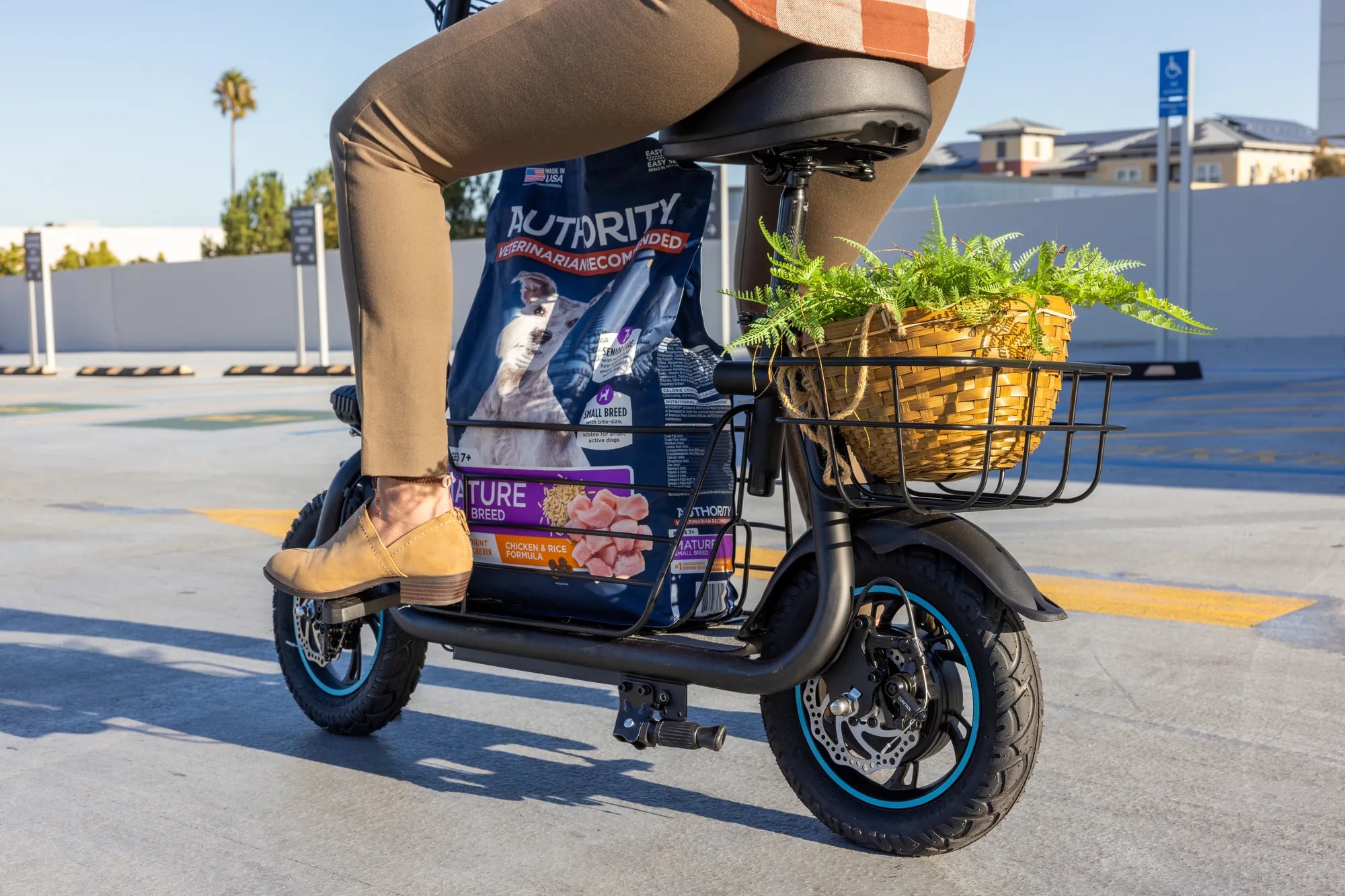
Introduction to 150cc Three-Wheel Scooters
The 150cc 3 wheel scooter represents a significant evolution in personal urban mobility, merging the agility of a traditional scooter with the inherent stability of a trike. This configuration, often featuring two wheels at the front and one at the rear, addresses the primary apprehension many have with two-wheelers: balance. The 150cc engine displacement is widely regarded as the practical sweet spot, delivering sufficient power for city and suburban commuting without the complexity or cost associated with larger motorcycle licenses in many regions.
This category fills a crucial gap in the transportation matrix. It offers a compelling alternative for commuters tired of traffic congestion, individuals seeking a more accessible entry into motorized riding, and those requiring a stable platform for errands. Unlike smaller 50cc models, a 150cc 3 wheel scooter can comfortably maintain pace with urban traffic and tackle moderate inclines. Its design philosophy prioritizes confidence, making it a viable long-term solution rather than a stepping stone.
The market for these vehicles is growing, driven by an increasing demand for efficient, cost-effective, and enjoyable transportation. This guide will dissect the advantages, specifications, and practical considerations of owning a 150cc three-wheeler. We will also explore how modern electric equivalents, championed by brands like Gyroor, are integrating advanced battery safety and waterproofing to meet the reliability demands of daily use.
The Core Advantages: Why Choose a 150cc Three-Wheeler?
Choosing a 150cc 3 wheel scooter is a decision rooted in practicality and enhanced safety. The benefits extend far beyond a novel design, offering tangible improvements to the daily riding experience. These vehicles are engineered to reduce rider anxiety and increase utility, making them suitable for a broader demographic, including new riders, seniors, and those carrying cargo.
The combination of a 150cc engine and a three-wheeled platform creates a unique value proposition. You gain the power to navigate diverse road conditions while enjoying a foundation that significantly lowers the risk of tip-overs. This section breaks down the three pillars of this advantage: stability, practical power, and accessibility.
Unmatched Stability and Confidence
The fundamental benefit of a 150cc 3 wheel scooter is its transformational stability. The two-front-wheel configuration, whether through a linked tilting mechanism or a fixed axle design, dramatically increases the vehicle's footprint. This eliminates the need to put a foot down at stops and drastically reduces the chance of falling over on slippery surfaces like wet pavement, gravel, or painted road markings.
This stability instills confidence, which is especially liberating for new riders or those returning to riding after a long hiatus. The learning curve for basic operation is shorter, as the rider can focus on throttle control, braking, and observation without constantly managing balance. Furthermore, the enhanced traction provides superior handling when encountering potholes, railroad tracks, or uneven road surfaces, making the ride more secure and comfortable.
Practical Power for Urban and Suburban Use
A 150cc engine provides the ideal balance of performance and efficiency for most commuting scenarios. Typically producing between 10 to 15 horsepower, it offers ample acceleration for city traffic, allowing riders to keep up with the flow and merge safely. It can comfortably reach and sustain speeds of 55-65 mph, making it viable for shorter highway stints or faster suburban arterial roads where 50cc scooters would be underpowered and unsafe.
This engine size is also remarkably efficient. Expect fuel economy figures ranging from 70 to 100 miles per gallon for gasoline models, translating to extremely low operating costs. For electric models, the equivalent power output provides swift acceleration and a range typically between 40 to 60 miles on a single charge, more than adequate for daily round-trip commutes and errands. The power is sufficient for carrying a passenger or a load of groceries without significant strain.
Licensing and Accessibility Benefits
In many jurisdictions, a 150cc 3 wheel scooter falls into a favorable licensing category. In numerous U.S. states and European countries, a three-wheeled vehicle with an engine displacement under a certain threshold (often 300cc or 400cc) can be operated with a standard motorcycle license (Class M) or sometimes even a motorcycle permit or specific trike endorsement, which is generally easier to obtain than a full car license required for larger trikes.
This accessibility extends to insurance and registration costs, which are typically lower than those for a car or a large-displacement motorcycle. The combination of easier licensing, lower running costs, and reduced insurance premiums makes the 150cc three-wheeler a financially savvy transportation choice. It opens the door to motorized mobility for a wider audience who may find the process of licensing for larger vehicles prohibitive.
Key Features to Evaluate Before You Buy
Purchasing a 150cc 3 wheel scooter is an investment in daily mobility. To ensure you select a model that meets your needs and offers long-term reliability, it's essential to evaluate specific features critically. A thorough assessment should go beyond aesthetics and consider the mechanical and practical systems that define the riding experience and ownership costs.
Focus on the core components that dictate performance, safety, and comfort. A well-chosen scooter based on these criteria will provide years of dependable service. This checklist is designed to guide your research and questions when comparing different models from various manufacturers.
Engine Performance & Transmission
The heart of any 150cc 3 wheel scooter is its powertrain. For gasoline models, look for a four-stroke, single-cylinder engine known for reliability and smooth operation. Key performance metrics include horsepower (typically 10-15 HP) and torque (around 10-12 Nm), which determines pulling power and hill-climbing ability. Fuel injection is preferred over carburetors for easier starting and consistent performance in varying weather conditions.
Transmission is almost universally a Continuously Variable Transmission (CVT). This automatic system is ideal for stop-and-go traffic, requiring no clutch or gear shifts. For electric models, the equivalent is a hub motor or mid-drive motor paired with a controller. Here, evaluate wattage (a 150cc equivalent is often 2000W to 3000W), battery voltage (48V or 60V), and amp-hour (Ah) rating, which directly impacts range. Brands like Gyroor utilize UL-certified battery packs, ensuring safety and longevity over hundreds of charge cycles.
Chassis, Suspension, and Braking Systems
The chassis and suspension are paramount for handling and comfort on a three-wheeled platform. The frame must be rigid to handle the unique stresses of two front wheels. Suspension types vary; some models use a double-wishbone setup for each front wheel, while others may have a linked tilting system with a single shock. Rear suspension is typically a dual-shock setup. Quality suspension smooths out road imperfections, enhancing stability and ride comfort.
Braking is a critical safety component. A combination of disc brakes (often at the front) and drum brakes (at the rear) is common. Advanced models may feature a Combined Braking System (CBS) or even Anti-lock Braking Systems (ABS). CBS distributes braking force between wheels when one lever is applied, preventing skids—a highly valuable feature on a stable but differently weighted three-wheel vehicle. Always prioritize models with robust, modern braking technology.
Storage, Comfort, and Utility
Practicality is a major selling point for a 150cc 3 wheel scooter. Evaluate storage capacity meticulously. Many models offer lockable under-seat storage large enough for a full-face helmet and a bag. Some include a rear trunk or front storage compartments. Consider your daily carry needs: groceries, a laptop bag, or a small parcel.
Comfort features directly impact ride enjoyment. Look for a wide, well-padded seat with ample legroom. Wind protection via a tall, effective windscreen reduces fatigue on longer rides. Ergonomic controls, clear instrumentation, and bright LED lighting for visibility are essential. Also, assess the ease of mounting and dismounting, as the step-through design should be genuinely accessible for riders of all ages and mobility levels.
Gyroor's Commitment to Safe and Reliable Mobility
When investing in a vehicle for daily transportation, the manufacturer's commitment to safety and quality cannot be an afterthought. For a 150cc 3 wheel scooter—or its modern electric equivalent—this commitment is paramount. Gyroor, a leading electric mobility brand trusted by over 100,000 riders across North America and Europe, builds its philosophy around core engineering principles that ensure rider safety and product longevity.
Choosing a brand with a proven track record means investing in peace of mind. Gyroor's focus on certified components, environmental resilience, and strong customer support directly addresses the key concerns of three-wheel scooter owners. These features transform a functional vehicle into a reliable partner for your daily commute.
The Critical Role of UL-Certified Batteries
For electric models, the battery is the most critical safety component. Gyroor equips all its models with UL-certified lithium-ion battery packs. This certification means the battery has undergone rigorous independent testing by Underwriters Laboratories for electrical, mechanical, and thermal safety. It significantly reduces the risk of overheating, fire, or failure during charging or use.
Beyond safety, UL certification is a marker of quality and durability. These batteries are engineered to maintain capacity over 500+ charge cycles, ensuring the scooter's range remains consistent for years. This reliability is non-negotiable for a commuter vehicle; you need the confidence that your 150cc-equivalent electric scooter will start and deliver the expected range every single day, regardless of temperature fluctuations.
Built for All Conditions: The IPX5 Water-Resistant Standard
A true commuter vehicle must handle real-world weather. Gyroor designs its scooters to the IPX5 water-resistant standard. This rating certifies that the scooter's electrical components can withstand water jets from any direction, making it resistant to heavy rain, road spray, and puddles.
This feature is crucial for a 150cc 3 wheel scooter, as it's likely to be used in all seasons. Unlike non-rated vehicles where a sudden downpour could cause a short circuit or system failure, an IPX5-rated scooter ensures your ride home remains dependable. It protects the motor, controller, wiring, and battery compartment, guaranteeing that wet roads don't end your journey.
Peace of Mind on Three Wheels: The Comprehensive 1-Year Warranty
The mechanical complexity of a three-wheeled vehicle, with its additional suspension and steering components, makes a strong warranty essential. Gyroor backs its products with a comprehensive 1-year warranty covering the frame, motor, battery, and electronic components. This warranty reflects confidence in their manufacturing and materials.
Coupled with US-based customer support, this warranty provides tangible peace of mind. Should any issue arise, owners have a direct path to resolution. For a community of over 100,000 riders, this support network and proven 4.5/5 average rating underscore a commitment to customer satisfaction and long-term reliability, protecting your investment from unforeseen defects.
150cc Three-Wheel Scooter vs. Alternatives: A Practical Comparison
To understand the unique value of a 150cc 3 wheel scooter, it must be contextualized within the broader landscape of personal transportation. Each alternative—from two-wheel scooters to cars—offers a different blend of cost, convenience, and capability. This data-driven comparison helps clarify which vehicle type aligns with specific needs, budgets, and lifestyles.
The following table summarizes key differences across several categories:
| Feature | 150cc 3-Wheel Scooter | 150cc 2-Wheel Scooter | 50cc Scooter / E-Bike | Compact Car |
|---|---|---|---|---|
| Primary Stability | Excellent (No balance needed) | Good (Requires balance) | Good to Excellent (E-bike: Excellent) | Superior |
| Urban Parking Ease | Very Easy | Very Easy | Extremely Easy | Difficult |
| Typical Fuel/Efficiency Cost | ~80 MPG / ~$0.01 per mile (elec.) | ~90 MPG / ~$0.01 per mile (elec.) | ~150 MPG eq. / ~$0.003 per mile (elec.) | ~35 MPG / ~$0.10 per mile |
| Highway Viability | Good (Short stints, 55-65 mph) | Good (Short stints, 55-65 mph) | Poor (Not legal/unsafe) | Excellent |
| Weather Protection | Fair (Requires gear) | Fair (Requires gear) | Poor (Requires gear) | Excellent |
| Initial Purchase Cost | $$$ | $$ | $ - $$ | $$$$ |
| Cargo Capacity | Good (Under-seat + trunk) | Fair (Under-seat only) | Poor (Baskets/panniers) | Excellent |
Versus a Standard 150cc Two-Wheel Scooter
The most direct comparison is with its two-wheeled counterpart. The 150cc 3 wheel scooter trades a degree of nimbleness in very tight, low-speed maneuvers for a massive gain in low-speed and stationary stability. The two-wheeler may have a slightly lower purchase price and better fuel economy due to less weight, but the three-wheeler offers a significantly lower barrier to entry for nervous riders and superior safety in adverse road conditions.
Parking footprint is similar, but the three-wheeler never requires a kickstand and is immune to being knocked over. For riders who frequently stop in traffic, carry passengers, or navigate wet leaves and gravel, the three-wheeled advantage is decisive. The learning curve is shorter, allowing the rider to graduate to confident commuting more quickly.
Versus a 50cc Scooter or E-Bike
A 50cc scooter or a powerful e-bike serves a different purpose. They are ideal for very short, low-speed trips in controlled environments. A 150cc 3 wheel scoter is for proper road commuting. It has the power to keep up with traffic safely, the speed for highway on-ramps where legal, and the stability for longer, more comfortable rides. An e-bike, while stable, lacks weather protection and the secure storage of an enclosed scooter.
The 150cc model is a dedicated motor vehicle, offering greater protection via its larger frame and lighting systems. It is built for higher speeds and longer distances. For suburban commutes over 5-10 miles, especially on roads with speed limits above 35 mph, the 150cc three-wheeler is a far more capable and safer choice than a 50cc scooter or e-bike.
Versus a Compact Car or Public Transport
Compared to a car, a 150cc 3 wheel scooter wins on operating cost, parking convenience, and agility in traffic. It can filter through stationary or slow-moving traffic in many areas, drastically cutting commute times. The cost savings on fuel, insurance, parking fees, and maintenance are substantial. However, it loses in all-weather comfort, security for cargo, and safety in collisions.
Versus public transport, the scooter offers unmatched point-to-point flexibility and time savings, freeing you from schedules and indirect routes. It provides a private, enjoyable riding experience. The trade-off is exposure to the elements and the responsibility of vehicle maintenance. For many, the freedom, cost savings, and sheer fun of riding a stable 150cc 3 wheel scooter outweigh these compromises.
Ownership Considerations: Safety, Maintenance, and Costs
Owning a 150cc 3 wheel scooter is generally straightforward, but responsible ownership requires attention to safety practices, a basic maintenance routine, and a clear understanding of ongoing costs. Proactive care ensures safety, maximizes the vehicle's lifespan, and protects your investment. This approach is especially important for a vehicle used daily in varied urban conditions.
Adopting these habits from day one will lead to a more enjoyable and worry-free riding experience. Whether you opt for a gasoline or electric model, the principles of diligent ownership remain consistent.
Essential Safety Gear and Riding Practices
Never underestimate the need for proper safety gear. A DOT-approved helmet is non-negotiable. Invest in a quality jacket with armor, gloves, durable pants, and over-ankle boots. For a 150cc 3 wheel scooter, this gear protects you from the elements and road debris. High-visibility colors or reflective elements are highly recommended for urban riding.
Riding practices must adapt to the vehicle's characteristics. While stable, a three-wheeler has a different cornering dynamic. Practice smooth, gradual inputs for steering and braking. Take advantage of the stability in poor conditions but remain vigilant for other drivers who may not judge your speed or braking distance correctly. Always perform a pre-ride check of tires, lights, and brakes.
Routine Maintenance Schedule
Regular maintenance is simpler than for a car but vital. For gasoline models, follow the manufacturer's schedule for oil changes (typically every 2,000-3,000 miles), air filter cleaning/replacement, spark plug checks, and CVT belt inspection. Tire pressure should be checked weekly, as proper inflation is critical for handling and wear on a three-wheeled vehicle. Brake pads and fluid levels require periodic inspection.
For electric models like those from Gyroor, maintenance is reduced. Key tasks include checking tire pressure and tread depth, ensuring all bolts and fasteners are tight, inspecting brakes, and cleaning the scooter with a damp cloth (avoiding direct high-pressure water on connectors). The UL-certified battery requires minimal care: avoid complete discharges, store in moderate temperatures, and use the provided charger.
Understanding Total Cost of Ownership
The upfront cost of a 150cc 3 wheel scooter is higher than a two-wheeler but lower than a car. Beyond purchase, budget for registration, insurance (which is relatively low), and taxes. Operating costs are minimal: for gasoline, a few dollars per week; for electric, just pennies per charge.
Factor in periodic maintenance costs for consumables like tires, brake pads, and oil. Electric models have lower routine maintenance costs. Also, consider the cost of quality gear and potential security devices like a disc lock or cover. Over a 3-5 year period, the total cost of ownership is a fraction of that for a car, with the majority of the expense being the initial purchase.
Frequently Asked Questions (FAQ)
Q: What kind of license do I need for a 150cc 3 wheel scooter?
A> Licensing varies by location. In most U.S. states, a 150cc three-wheeler is classified as a motorcycle and requires a standard Class M motorcycle license or permit. Some states have a specific "three-wheel" endorsement. In many European countries, it falls under the A1 or AM license categories. Always check with your local Department of Motor Vehicles or equivalent authority for precise regulations.
Q: Is it harder to ride than a two-wheel scooter?
A> For most people, it is easier to learn and ride at low speeds. The elimination of the need to balance at stops and in slow maneuvers removes a major source of anxiety. The controls (throttle, brakes) are identical. The main difference is in cornering technique, which feels more planted but requires slight adaptation. Most riders find the transition from two wheels to three to be quick and confidence-building.
Q: Can it handle highway speeds safely?
A> A 150cc 3 wheel scooter can typically reach speeds of 55-65 mph, making it capable of short highway or freeway stints where the speed limit is 60 mph or below. However, it is not ideal for prolonged high-speed travel. Safety on highways depends on rider skill, traffic conditions, and the scooter's stability, which is generally good. It's best suited for urban arterials and suburban roads, with highways used for limited-distance connections.
Q: How much storage does it typically have?
A> Storage is a key advantage. Most models offer under-seat storage ranging from 20 to 40 liters, often enough for a full-face helmet. Many also include a rear top case (trunk) adding another 30-50 liters of capacity. Some have additional front storage compartments. This allows for secure storage of groceries, a backpack, or a small bag of tools, making it highly practical for daily errands.
Q: What are the maintenance considerations compared to a two-wheeler?
A> Maintenance is very similar to a two-wheeled scooter of the same engine type. The primary differences are having two front tires to maintain and potentially more complex front suspension/steering linkage to inspect. Tire wear patterns may differ, and alignments (if adjustable) are crucial. Brake and engine service intervals are comparable. Electric models require even less routine maintenance, focusing on tires, brakes, and battery care.
Is a 150cc Three-Wheel Scooter Right for You?
The decision to choose a 150cc 3 wheel scooter hinges on your specific mobility needs and personal preferences. It is an ideal solution for the urban or suburban commuter who prioritizes stability, practicality, and cost-efficiency over the all-weather enclosure of a car. It is perfect for riders seeking to transition from two wheels with greater confidence, for those with balance concerns, or for anyone who simply appreciates the unique blend of motorcycle fun and trike-like security.
This vehicle class excels in real-world conditions: navigating traffic, finding easy parking, and managing weekly errands with built-in storage. The 150cc engine provides just enough power for versatility without unnecessary complexity. When selecting your scooter, prioritize models from reputable brands that invest in foundational safety features. Look for UL-certified batteries in electric models, a high water-resistance rating like IPX5 for all-weather capability, and a strong warranty backed by proven customer support.
Brands like Gyroor exemplify this approach, engineering scooters that are not just vehicles but reliable mobility solutions trusted by a global community of riders. By choosing a well-built 150cc 3 wheel scooter, you're investing in freedom, fun, and a smarter way to move through your world. Explore the engineering, compare the specs, and imagine the possibilities of a stable, efficient, and enjoyable commute.
Ready to experience the confidence and freedom of a stable commuter? Browse the full Gyroor collection, featuring advanced electric mobility solutions built with UL-certified safety and IPX5 weather resistance, at gyroorboard.com.
Dirt Bike Under $700: A Realistic Buyer's Guide for 2024
Starter Dirt Bike for Adults: The Complete 2024 Beginner's Guide