



Introduction: Why Weight Capacity Is the Most Important Hoverboard Spec
Choosing a hoverboard? Look past the flashy LEDs and top speed claims. The single most critical specification is its maximum weight capacity. For a vast majority of adult and teen riders, the 165 lbs hoverboard represents the standard benchmark for reliable, safe performance. This isn't just a suggestion; it's the engineered limit for the board's structural integrity, motor power, and battery safety.
Exceeding this limit can lead to catastrophic failure, from fried electronics to a sudden loss of power. This guide will dissect everything you need to know about the 165 lbs capacity. We'll explore the engineering principles, real-world performance data, and how leading brands like Gyroor design their hoverboards to deliver consistent power and safety for riders at this weight class, backed by rigorous testing and clear specifications.
Understanding Hoverboard Weight Limits: More Than Just a Number
The stated weight limit, such as 165 lbs (75 kg), is the maximum load the manufacturer guarantees for safe operation under normal conditions. It is determined through extensive stress testing of every critical component. Treating this number as a flexible guideline is a primary cause of hoverboard malfunctions and accidents.
Exceeding the capacity places immense strain on the entire system. The dual motors must work far beyond their efficient torque range, leading to overheating and potential burnout. The battery management system is pushed to its limits, which can cause voltage sags, reduced range, and in extreme cases, pose a fire risk with uncertified batteries. The frame and axle can suffer micro-fractures, leading to eventual structural failure.
Furthermore, riding an overloaded board almost always voids the manufacturer's warranty. Brands like Gyroor design their safety systems, including battery protection and motor controllers, around this specific load. Going over it removes the safety net their engineering and 1-year comprehensive warranty provide.
The Engineering Behind the 165 lbs Limit
This weight capacity is a product of precise engineering harmony between four core components. First, motor power: a true 165 lbs-rated board typically features dual motors of at least 350W each. This combined 700W output provides the necessary torque for acceleration and hill climbing at that load.
Second, the battery's amp-hour (Ah) rating is crucial. A larger capacity battery (e.g., 4.0Ah or higher) can deliver the sustained current needed by the motors without excessive voltage drop, which directly impacts range and power. Gyroor utilizes UL-certified battery packs tested for over 500 cycles, ensuring stable power delivery even under load.
Third, the frame material and construction. Aircraft-grade aluminum alloy frames offer the ideal blend of lightweight durability and rigidity to handle the dynamic stresses of a 165 lbs rider without flexing or cracking. Finally, wheel strength matters. The hub motors and tire construction must withstand the increased force, making reinforced wheels and quality, air-filled or robust solid tires a necessity.
Performance Realities: How a 165 lbs Hoverboard Behaves at Different Weights
Manufacturers often advertise maximum speed and range based on ideal conditions with a lightweight rider. For a rider at the 165 lbs limit, real-world performance differs significantly. Understanding this variance is key to setting proper expectations and ensuring you select a board with adequate overhead for your needs.
Speed is often the first metric affected. While a board may achieve 10 mph with a 120 lb rider, a rider at 165 lbs might see a top speed of 8-8.5 mph due to the increased load on the motors. Acceleration becomes more gradual, and stopping distances can increase slightly due to the greater momentum.
The most dramatic impact is on range. Battery drain is directly proportional to the work demanded from the motors. A rider at the maximum weight limit will rarely, if ever, achieve the advertised maximum range. A realistic expectation is 70-80% of the stated range under similar conditions. Hill-climbing ability also diminishes; a board that climbs a 15-degree incline easily at lower weights may struggle with a 10-degree incline at 165 lbs.
Rider Weight vs. Performance Metrics
| Rider Weight | Estimated Top Speed | Estimated Range (% of max) | Hill Climb Ability | Safety & System Strain |
|---|---|---|---|---|
| 120 lbs (54 kg) | ~10 mph (Advertised Max) | ~95-100% | Can handle ~15° inclines | Low strain, optimal performance |
| 165 lbs (75 kg) | ~8-8.5 mph | ~70-80% | Manages ~10-12° inclines | Designed load, safe within specs |
| 180 lbs (82 kg) - OVER LIMIT | ~7 mph or less | ~60% or less | Struggles with >8° inclines | High risk: Motor/battery overheating, frame stress, warranty void |
This table illustrates why selecting a board with a weight capacity that exceeds your actual weight is advisable for maintaining better performance and longevity.
The Gyroor Standard: Safety and Durability for Riders Up to 165 lbs
Gyroor engineers its hoverboards to not just meet, but reliably perform at their stated weight capacities. This commitment is built on a foundation of certified safety and robust components. Every aspect, from the battery management system to the motor controller calibration, is optimized for the designated load, ensuring a safe and consistent ride for adult riders.
The cornerstone of this safety is the use of UL-certified battery packs. These batteries undergo rigorous testing for short-circuit, overcharge, and thermal stability, providing critical protection against the increased demands of a 165 lb rider. Coupled with smart Battery Management Systems (BMS), they ensure stable power delivery and prevent dangerous failure modes.
Durability is enhanced by IPX5 water-resistant construction. This rating means the board can withstand low-pressure water jets from any direction, protecting the sensitive electronics inside from puddle splashes and wet pavement—common occurrences during real-world rides. The reinforced aluminum alloy frame is stress-tested to handle the dynamic loads and vibrations experienced at maximum capacity, ride after ride.
Choosing the Right Gyroor Model
For riders at or near the 165 lbs mark, selecting a model with robust power and construction is key. Gyroor's lineup includes several models well-suited for this weight class. Look for features like dual 350W or 400W motors, which provide the necessary torque reserve for confident acceleration and hill climbing.
All-terrain models with 8.5-inch air-filled tires are an excellent choice. The larger tire diameter offers greater stability and shock absorption, and the pneumatic tires provide a smoother ride over uneven surfaces, which is more comfortable for heavier riders. These models often have enhanced suspension systems in the deck to further improve comfort.
Always verify the specific model's maximum load capacity on the official Gyroor website. While many adult models are rated for 165 lbs to 220 lbs, confirming this spec ensures you get a board engineered for your needs, backed by Gyroor's reliable 1-year warranty and trusted by over 100,000 riders.
Beyond Weight: Other Crucial Factors for a Great Ride
While weight capacity is paramount, other specifications work in concert with it to define your riding experience. Wheel size is a major factor. Standard 6.5-inch wheels are common, but for a 165 lb rider, 8.5-inch wheels offer significant advantages in stability, obstacle clearance, and ride comfort, especially on rougher surfaces.
Tire type is equally important. Solid rubber tires are puncture-proof but transmit more vibration. Air-filled (pneumatic) tires provide superior cushioning and traction, making them ideal for heavier riders as they better distribute the load and absorb impacts. This can reduce strain on the board's frame and components.
Always interpret maximum speed and range ratings in the context of weight. A board advertised for a 220 lb capacity will likely maintain its performance metrics better for a 165 lb rider than a board where 165 lbs is its absolute maximum. Look for boards that offer a performance buffer, ensuring you enjoy the advertised speed and a more respectable range.
Maintenance and Safety Tips for Maximum Longevity
Proper maintenance is non-negotiable for a hoverboard operating at its designed weight limit. Regularly check tire pressure if you have air-filled tires. Under-inflated tires increase rolling resistance, forcing the motors to work harder and draining the battery faster, which is particularly taxing at higher weights.
Inspect the board before each ride. Look for cracks in the frame, especially near the wheel axles and footpad hinges. Listen for unusual grinding or clicking noises from the wheel hubs, which could indicate bearing strain. Keep the charging port clean and dry to prevent connection issues.
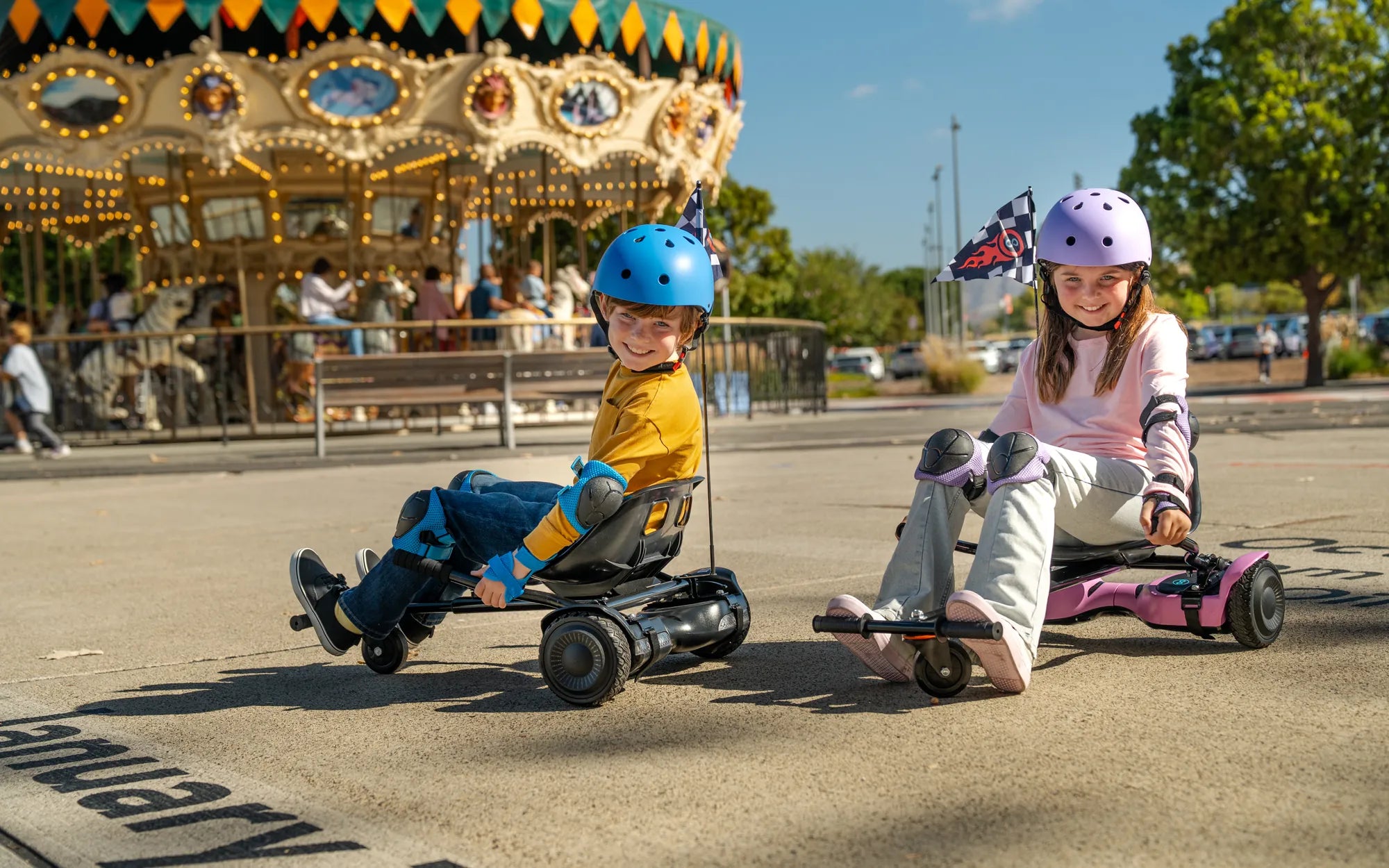
Safety practices are amplified. Always wear a helmet, wrist guards, and knee pads. Avoid sudden, high-torque starts from a standstill, as this places peak stress on the motors and battery. Practice smooth acceleration and deceleration. Never attempt to ride up a hill steeper than the board's rated incline capability, as this can cause immediate motor overload and shutdown.
Frequently Asked Questions (FAQ)
Q: Can I briefly go over 165 lbs on a 165 lbs capacity hoverboard?
A: It is strongly advised against. The limit is an engineering threshold, not a suggestion. Even brief overloads stress components beyond their safe operating parameters, increasing the risk of immediate failure (like a motor cutting out mid-ride) and accelerating long-term wear that voids the warranty.
Q: Does carrying a backpack count towards the weight limit?
A: Yes, absolutely. The weight limit refers to the total load on the board. This includes the rider's body weight, clothing, shoes, and anything they are carrying, like a backpack, school books, or groceries. Always factor in your total laden weight.
Q: Are hoverboard weight limits different for kids vs. adults?
A: Yes, significantly. Hoverboards designed for younger children may have weight limits as low as 44 lbs (20 kg) to 120 lbs (54 kg). The 165 lbs benchmark is specifically for adult and teen models. It is crucial to select a board rated for the rider's actual weight to ensure safe and proper operation.
Q: How does rider weight affect the hoverboard's warranty?
A: Damage caused by overloading the board is explicitly not covered under Gyroor's 1-year comprehensive warranty or most manufacturers' warranties. If a motor burns out or the frame cracks while the board is being used above its rated capacity, the warranty claim will be denied. Riding within the limit protects your investment.
Q: For a rider weighing 165 lbs, should I buy a board with a higher weight capacity?
A: It is highly recommended. Choosing a board rated for 220 lbs or more when you weigh 165 lbs provides a performance buffer. The motors and battery will operate under less relative strain, which typically results in better actual speed, longer range, easier hill climbing, and less overall wear on the components, extending the board's lifespan.
Conclusion: Prioritize Capacity for a Safe, Powerful Ride
The 165 lbs weight capacity is the foundational spec that dictates safety, performance, and durability. Respecting this engineered limit is not optional; it's the key to unlocking a reliable and enjoyable riding experience while protecting your safety and your investment. Brands that prioritize certified components, like Gyroor with its UL-certified batteries and IPX5 construction, build the necessary robustness into their designs for riders at this level.
Your hoverboard choice should be guided by honest weight assessment and a preference for models that offer a margin of safety above your actual weight. This ensures the performance you expect and the longevity you deserve. Don't compromise on the specification that matters most.
Ready to find a hoverboard engineered for real-world performance at your weight? Browse the full Gyroor collection at gyroorboard.com to explore adult models with clear weight capacities, robust power systems, and the safety certifications that let you ride with confidence.
How Long Does It Take to Charge Your Hoverboard: A Complete Guide
How Old Do You Have to Be for a Hoverboard: Age Guidelines and Safety Tips