


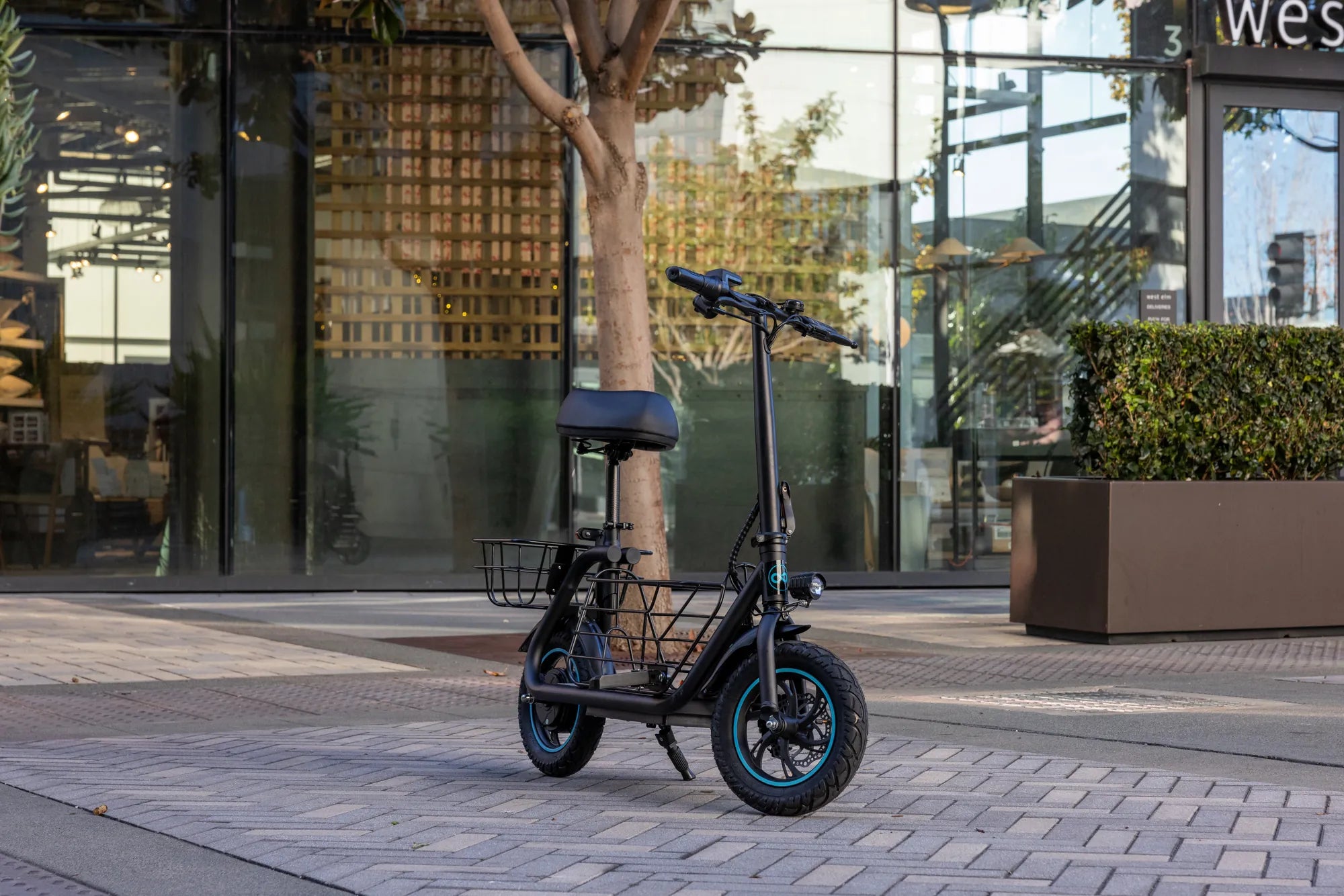
Introduction to 2.50-10 Scooter Tires: The Essential Guide
Your scooter's performance, safety, and efficiency literally ride on its tires. The 2.50-10 scooter tire is a critical industry standard, serving as the primary contact point between your vehicle and the road. Selecting the correct tire is not a mere accessory choice; it's a fundamental decision affecting braking distance, battery range, and ride quality.
This size is ubiquitous across many electric scooters, mopeds, and small motorcycles designed for urban and light off-road use. Understanding its specifications and variants empowers you to tailor your ride to specific conditions. Whether you're a daily commuter or a weekend explorer, the right 2.50-10 tire transforms your experience.
The following guide provides a data-driven, technical deep dive into this essential component. We will decode its measurements, compare tread patterns and compounds, and analyze the direct impact on your scooter's capabilities. For riders of brands like Gyroor, which outfits its reliable electric scooters with quality tires, this knowledge helps in making informed replacement or upgrade choices.
By the end, you'll know precisely how to choose, maintain, and maximize the potential of your 2.50-10 scooter tires. This ensures every journey is as safe, efficient, and enjoyable as the engineering of your scooter intends.
Decoding the Numbers: What Does 2.50-10 Actually Mean?
The alphanumeric code on a tire sidewall is a precise description of its physical dimensions. For a 2.50-10 scooter tire, the "2.50" refers to the nominal tire width, measured in inches. This is the approximate width of the tire from sidewall to sidewall when properly mounted and inflated.
The "10" denotes the rim diameter, also in inches. This number is crucial because the tire must match the diameter of your scooter's wheel rim. A 2.50-10 tire is designed exclusively for a 10-inch rim. Attempting to fit it on a different-sized rim is unsafe and will compromise handling.
This measurement system is common for smaller vehicle tires. It provides a clear, direct understanding of fitment. Some tires may use a slightly different notation, such as 2.50x10, but the meaning is identical. Always verify this size matches your scooter's manufacturer specifications before purchasing.
Understanding this basic nomenclature is the first step. The actual performance characteristics, however, are determined by the tire's construction, tread pattern, and rubber compound. Two tires labeled 2.50-10 can deliver radically different rides based on these other factors.
Key Considerations When Choosing a 2.50-10 Tire
Selecting a tire involves more than confirming the size. You must evaluate several performance-oriented features that align with your primary riding environment and style. The right combination enhances your scooter's strengths, while the wrong choice can introduce inefficiency or risk.
These considerations form a decision matrix: tread pattern for terrain, compound for grip versus longevity, and construction for durability and puncture resistance. Budget is a factor, but investing in quality tires is an investment in safety and predictable performance, especially when paired with a well-engineered scooter.
Brands like Gyroor select specific 2.50-10 tires for their models based on intended use, whether for a zippy city commuter or a robust off-road capable scooter. When replacing tires, you can stick with the OEM specification or explore alternatives that better suit your evolved needs.
Let's break down the three most critical variables you need to assess: tread pattern, compound, and tube type. Each plays a distinct role in defining your ride's character and capability.
Tire Tread Pattern: Urban vs. All-Terrain Performance
The tread pattern is the most visible differentiator between tires. It is engineered to channel water, grip surfaces, and provide stability. For 2.50-10 scooter tires, patterns generally fall into two categories: street/slick and all-terrain/block.
Street/Slick Treads: These feature a relatively smooth surface with minimal grooves or a central rib pattern. They maximize the contact patch on paved surfaces, which reduces rolling resistance. This translates directly to longer battery range and higher top speed for electric scooters. They offer excellent dry-pavement grip and are standard on most commuter-oriented models.
All-Terrain/Block Treads: Characterized by aggressive, knobby lugs separated by deep grooves, these tires are designed for mixed surfaces. The lugs dig into loose dirt, gravel, and grass, providing much-needed traction off the pavement. The deep grooves help evacuate water and mud. However, the increased rolling resistance on pavement can reduce an electric scooter's range by 10-20% compared to a slick tire.
The choice is clear: prioritize efficiency and quiet ride on pavement with slicks, or sacrifice some range for multi-surface capability with block treads. Consider a hybrid pattern with a smoother center and treaded shoulders for riders who face occasional rough paths.
Tire Compound: Balancing Grip, Durability, and Roll Resistance
The rubber compound is the tire's secret sauce, determining its fundamental properties. Softer compounds contain a higher proportion of natural rubber and additives, providing superior grip, especially in corners and in wet conditions. The trade-off is faster wear; a soft tire may last half as long as a hard one.
Harder compounds are more durable and offer lower rolling resistance, contributing to better range. They can be more resistant to cuts and abrasions from road debris. The downside is potentially reduced traction, particularly when cold or on wet surfaces, leading to longer braking distances.
Manufacturers often rate compounds by their durometer (a hardness measurement). A performance-oriented scooter tire might use a 55-65 Shore A durometer compound for sporty handling, while a long-range touring tire might use a 70+ Shore A compound. Unfortunately, this spec is rarely listed for aftermarket scooter tires, so you often must rely on manufacturer descriptions like "high-mileage" or "high-grip."
For most riders, a medium-hard compound offers the best balance, providing reasonable wear life without sacrificing critical safety margins in everyday conditions. This aligns with the philosophy behind brands like Gyroor, which prioritize reliable, all-weather performance for their broad customer base.
Tube vs. Tubeless: Pros, Cons, and Compatibility
This refers to the tire's air containment system. A tube-type tire requires a separate inner tube to hold air. It's a traditional, simple system. Tubes are inexpensive and easy to replace. The main drawback is susceptibility to pinch flats (snaking the tube between the tire and rim during installation or from a hard impact) and puncture flats.
A tubeless tire has a sealed inner liner and is designed to mount directly onto a specific tubeless-compatible rim, creating an airtight seal. The major advantage is the ability to use liquid sealant, which can automatically plug small punctures from nails or thorns without losing air. Tubeless setups also allow you to safely run lower air pressures for better comfort and traction without the risk of a pinch flat.
However, tubeless conversion for a scooter not designed for it can be complex, requiring compatible rims, valve stems, and often professional installation. Most standard electric scooters, including many Gyroor models, come with tube-type systems for simplicity and cost-effectiveness.
Your decision is often made by your scooter's original equipment. Sticking with the factory design is safest. If you have a tubeless-ready rim, the upgrade can be worthwhile for its self-sealing benefits and performance flexibility.
The Impact of Tires on Your E-Scooter's Performance
Tires are not passive rings of rubber; they are dynamic, high-performance components that directly mediate every input and output of your scooter. Changing your 2.50-10 scooter tires can have a more noticeable effect on your ride than many other modifications.
The interaction between the tire and the road defines acceleration, cornering, braking, and vibration damping. For electric scooters, this relationship also critically impacts the efficiency of the drivetrain, as any energy lost to tire deformation or slippage is energy not used for propulsion.
This section quantifies and qualifies the tangible effects of tire choice. We'll explore how your selection influences the practical metrics riders care about most: how far you can go, how safely you stop, and how comfortably you arrive.
Understanding this impact allows you to make strategic choices. You can optimize for maximum urban range, confident wet-weather handling, or plush ride quality over cracked pavement.
Range and Efficiency: How Tire Choice Affects Battery Life
For electric scooter riders, range is a paramount concern. The tire is a primary factor in determining rolling resistance—the energy required to keep the tire rolling. Lower rolling resistance means the motor works less, conserving battery power.
High-Efficiency (Low RR) Tires: Typically feature slick or minimally treaded patterns and a harder compound. They deform less as they roll, reducing energy loss as heat. On a consistent city commute, switching from an aggressive tread to a slick tire could yield a 5-15% increase in range, effectively adding meaningful miles to your scooter's capability.
High-Traction Tires: Knobby or soft-compound tires have higher rolling resistance. The lugs flex and the softer rubber generates more friction. This is the trade-off for off-road grip or superior cornering. Riders must be aware that such tires will draw more power from the battery pack for the same distance.
This makes tire choice a key part of energy management. Pairing low-rolling-resistance tires with a high-quality, UL-certified battery pack—like those used in Gyroor scooters, tested for over 500 charge cycles—ensures you extract every possible watt-hour of stored energy safely and effectively, maximizing the value of your scooter's core technology.
Safety and Handling: Grip, Stability, and Braking Distance
Safety is non-negotiable, and your tires are your first and most important safety system. They determine your scooter's grip during acceleration, braking, and cornering. The right 2.50-10 tire can significantly shorten stopping distances and improve stability.
Dry Grip: Governed by the tire's compound and contact patch. A softer compound and a tread pattern that keeps rubber firmly on the road (like a slick) provide the shortest dry braking distances. Tire width also plays a role; a wider 2.50-10 tire may offer a marginally larger contact patch than a narrower one, improving mechanical grip.
Wet Grip: This is where tread pattern is critical. Slick tires can hydroplane on wet pavement because water has nowhere to go. Tires with circumferential grooves and siping (small cuts in the tread blocks) channel water away, maintaining contact. A tire's wet-weather performance is as important as any scooter's IPX5 water-resistant rating for overall rainy-day safety.
Handling Feel: Tire profile affects steering response. A rounder-profile tire may feel more nimble and easier to lean into corners, while a squarer-profile tire may feel more stable at high speeds or when carrying a load. The confidence inspired by predictable handling is a key component of safe riding.
Comfort and Ride Quality: The Role of Tire Pressure and Cushioning
The tire is your scooter's primary suspension. It absorbs impacts from road imperfections before they reach the frame and, ultimately, you. Ride quality is heavily influenced by tire construction, air volume, and inflation pressure.
Tire Pressure: This is the most adjustable comfort variable. Running at the lower end of the tire's recommended PSI range (often printed on the sidewall) allows the tire to flex more, absorbing bumps and providing a plusher ride. However, too-low pressure increases rolling resistance, risk of pinch flats, and can cause unstable handling. Over-inflation makes the ride harsh and reduces the contact patch, hurting grip.
Air Volume: A 2.50-10 tire has a fixed air volume. This volume, when properly inflated, acts as a cushion. There is a trend toward wider tires (e.g., 3.00-10) on some performance scooters, which offer a larger air volume and can often be run at lower pressures for even better bump absorption without the drawbacks of under-inflation on a narrower tire.
Finding the sweet spot for your weight and typical load is essential. A simple monthly pressure check with a gauge maintains optimal performance, safety, and comfort, protecting your investment in both the tires and the scooter itself.
Installation, Maintenance, and Warranty Insights
Proper care extends tire life and ensures consistent performance. While tires are consumable components, a disciplined maintenance routine can prevent premature failure and unexpected downtime. This is especially important for riders who depend on their scooter for daily transportation.
Installation, while possible for a determined DIYer, often requires specific tools and techniques to avoid damaging the rim, tire bead, or inner tube. Understanding the process helps you appreciate the work or communicate effectively with a mechanic.
Furthermore, it's vital to understand how tire-related issues interact with your scooter's manufacturer warranty. Knowing what is covered and what constitutes proper maintenance protects your rights as a consumer and keeps your vehicle in warranty compliance.
Let's walk through the key practical aspects of living with your 2.50-10 scooter tires, from mounting them to knowing when to retire them.
Step-by-Step: Replacing Your 2.50-10 Scooter Tire
Replacing a scooter tire requires patience and the right tools. You'll need tire levers (often plastic to avoid rim damage), a valve core tool, a pump, and possibly a bead breaker if the old tire is stubborn. Always consult your scooter's service manual first.
1. Preparation: Deflate the tube completely and remove the valve core. Use tire levers to carefully pry one side of the tire bead over the rim. Work your way around until one side is completely off. Remove the inner tube (if applicable).
2. Removal: Repeat the process for the other side of the tire. For tubeless tires, breaking the bead seal is the first critical step, often requiring a bead breaker tool or careful leverage.
3. Installation: Inspect the rim strip (for tube-type) and clean the rim bed. Partially inflate the new tube (just enough to hold its shape) or apply sealant to a tubeless tire. Mount one bead of the new tire onto the rim. Insert the tube (if used), ensuring it's not pinched. Then, work the second bead onto the rim using tire levers, taking extreme care not to pinch the tube or damage the bead.
4. Inflation & Seating: Inflate slowly. For tubeless, you may hear a loud "pop" as the bead seats against the rim. Inflate to the recommended pressure. For complex tubeless setups or if you lack confidence, professional installation is strongly recommended to ensure a safe, reliable seal.
Routine Checks for Longevity and Safety
A simple, monthly inspection routine can catch problems before they strand you. This takes only a few minutes but is invaluable.
Tire Pressure: Check with a reliable gauge when tires are cold. Inconsistent pressure is a leading cause of uneven wear and poor handling. Maintain the PSI specified in your scooter's manual or on the tire sidewall.
Tread Depth: Visually inspect tread wear. Most tires have wear bars—small rubber bridges at the bottom of the tread grooves. When the tread surface is flush with these bars, the tire is legally worn in many jurisdictions and should be replaced. For slicks, look for significant smoothing or cracking.
Damage Inspection: Look for cuts, cracks (weather checking), bulges, or objects embedded in the tread. Remove small debris like stones or glass shards. A visible bulge indicates internal damage and requires immediate replacement. Regularly check that the valve stem is secure and not leaking.
Understanding How Tires Relate to Your Scooter Warranty
Tires are universally classified as "wear items," similar to brake pads. As such, they are almost never covered under a scooter's standard comprehensive warranty against defects in materials or workmanship. Normal tread wear is expected and is the owner's responsibility.
However, your actions regarding tires can affect the warranty coverage on other components. Using an incorrect tire size (e.g., a tire too wide that rubs against the fork or fender) or type that causes damage to the motor, suspension, or frame could potentially void aspects of your warranty.
Proper tire maintenance—keeping correct pressure, replacing worn tires promptly, and avoiding overload—is part of the "normal care" expected to uphold the 1-year warranty on the scooter itself. Brands like Gyroor design their warranties to protect against manufacturing faults, assuming the product is used and maintained as intended. Using quality replacement tires that match OEM specifications is the best way to ensure continued warranty protection for the entire vehicle.
Frequently Asked Questions (FAQ)
Q1: Can I put a wider or narrower tire on my 2.50-10 rim?
A: It is strongly discouraged. The rim width is designed for the 2.50" tire width. A significantly narrower tire (e.g., 2.00-10) may not seat properly, risking a blowout. A wider tire (e.g., 3.00-10) may not have adequate clearance within your scooter's fork, swingarm, or fender, causing dangerous rubbing. Always adhere to the manufacturer's specified tire size for safety and warranty preservation.
Q2: How often should I replace my 2.50-10 scooter tires?
A: Replace based on condition, not just mileage or time. Key indicators include: tread wear down to the wear bars (or <1/16" of tread depth), visible cracks in the sidewall or tread (dry rot), persistent air leaks, bulges, or deep cuts that expose the cord fabric. For a daily rider, inspect visually every month and plan for replacement every 1-2 years depending on use.
Q3: Are 2.50-10 tires from Gyroor water-resistant like their scooters?
A: Tires themselves are not "water-resistant" in the electronic sense. A scooter's IPX5 rating refers to protection of its electrical components from water jets. Tire performance in wet conditions depends entirely on its tread pattern and compound. Gyroor selects tires with appropriate wet-weather grooves for their models, but for maximum safety in rain, choose a replacement tire with a pronounced tread pattern designed for wet pavement evacuation.
Q4: Do I need to replace tires in pairs?
A: Yes, it is highly recommended. Replacing both 2.50-10 scooter tires at the same time ensures balanced handling, predictable grip levels front and rear, and uniform rolling resistance. Mixing a new tire with a heavily worn one can lead to unstable braking or cornering behavior, as the two tires will have different traction characteristics and diameters.
Q5: What is the ideal tire pressure for my 2.50-10 tires?
A: The ideal pressure is specific to your scooter model and load. Always start with the manufacturer's recommendation, found in the user manual or on a sticker on the scooter frame. This is typically between 35-50 PSI. Adjust within that range based on load: use higher pressure for heavier loads or solo high-speed riding for efficiency; use the lower recommended pressure for a lighter load or a softer, more comfortable ride. Never exceed the maximum pressure listed on the tire sidewall.
Comparison Table: 2.50-10 Tire Types
| Tire Type | Best For | Range Impact | Wet Traction | Durability |
|---|---|---|---|---|
| Street/Slick | Urban Commuting, Pavement | Optimal (+5-15%) | Fair (Risk of hydroplaning) | High (Harder Compound) |
| Hybrid/Ribbed | Mixed City & Light Paths | Good (Neutral) | Good (Grooves for water) | Medium-High |
| All-Terrain/Knobby | Off-Road, Dirt, Gravel | Reduced (-10-20%) | Very Good (Deep grooves) | Medium (Softer compound wears faster) |
| Performance/Soft Compound | Sporty Handling, Corners | Reduced (-5-10%) | Excellent (If treaded) | Lower (Faster wear) |
Conclusion: Rolling Forward with Confidence
Your choice of 2.50-10 scooter tire is a direct investment in your riding experience and safety. It's the component that translates your scooter's engineering—from its motor power to its battery efficiency—into real-world motion. By understanding the trade-offs between tread patterns, compounds, and constructions, you can select a tire that perfectly matches your primary environment, whether that's efficient city streets or adventurous back trails.
Regular maintenance, centered on pressure checks and visual inspections, ensures your tires deliver their designed performance throughout their lifespan. This care complements the robust build and reliable warranties offered by trusted brands, allowing you to focus on the ride itself.
Remember, the right tires don't just fit your rims; they fit your lifestyle. They are the final, crucial piece in creating a scooter that is truly yours—capable, safe, and ready for whatever path you choose.
Ready to explore scooters engineered with this level of detail in mind? Browse the full Gyroor collection, featuring models equipped with reliable tires and backed by UL-certified batteries and a 1-year warranty, at gyroorboard.com.
300cc Scooter USA: The Ultimate Guide to the Perfect Commuter & Tourer
Scooter Color: The Ultimate Guide to Safety, Style, and Value